

Mickey Down has narrated this article for you to listen to.
I reached New York for the premiere of the fourth series of Industry in a mild state of delirium. I was traveling from Lamu, and it had taken four flights and 20 hours in the air to reach the US. Lamu is so beautiful that it briefly makes you consider whether to bother with western civilization at all. On the rickety flight to the island from mainland Kenya, I had sat next to a German count I vaguely knew. ‘You looking to get a little fucked up?’ he asked. I mumbled something about ‘family time’. He nodded and wished me luck. On New Year’s Day I ran into him again, by which point he had abandoned all pretense of dignity. It felt fitting, then, that I should follow this holiday with a work trip to New York to party with abandon. It was in service to a television show I co-created about people whose job it is to indulge in impulsive self-destruction. By the time I reached Manhattan, I was determined to prove that Europe’s fading aristocracy does not have a monopoly on fun.
I love NY but invariably leave the city thinking: ‘Get me out of here.’ Act one is always seductive: cold-as-space martinis, dinners in wood-paneled rooms and first nights that end far too late. But this time I started slowly, putting the finishing touches to the season finale while watching TMZ. Megan Thee Stallion was instructing men on how to eat bananas without coming across as gay. Then it was off to Madison Square Garden with the Industry cast to watch the Knicks. I spent most of the game staring at the back of Ben Stiller’s head and wondering who was winning. Between the first and second quarters, our gang suddenly appeared on the jumbotron, looking vaguely hostage-like. The season four trailer was then shown to 20,000 basketball fans, who looked politely baffled. They sat in silence, not out of reverence but because Industry remains what many critics generously term a ‘cult show’.
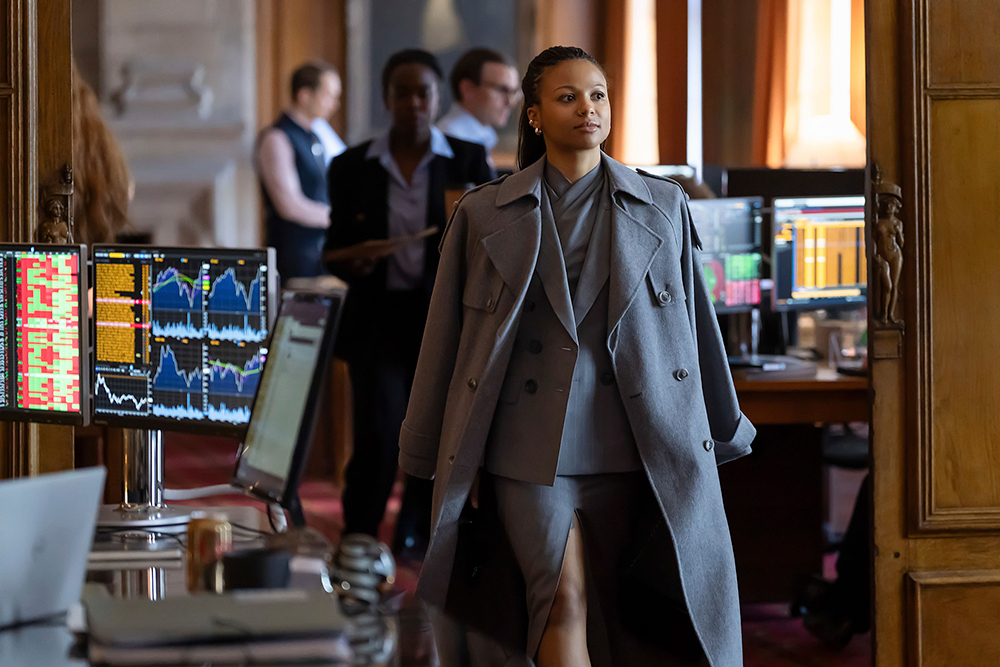
When season one came out in 2020, few people cared. The show premiered ‘digitally’, and I attended in my pajamas, sporting a beard my mother described as ‘jihadi-ish’. Now our photogenic cast, including Marisa Abela and Myha’la, appear on late-night TV and the next day are beamed into the homes of the breakfast-eating classes. These few days of hard living barely register for actors who are young and professionally beautified. But when I was interviewed, I looked jet-lagged and faintly allergic to the cameras. My co-creator Konrad Kay and I were largely confined to speaking to the business press. I find this cosmically gratifying given that we both began our adult lives bombing out of deeply unsuccessful careers in the City. To now find ourselves on Bloomberg TV solemnly discussing Chevron’s plans for Venezuela feels like some kind of elaborate practical joke.
Being treated as an authority on the economy because you wrote a show about people moving money around is a bit like being asked for interior design advice because you once stayed in a hotel. But New York runs on the hallucination that confidence plus a good story equals truth. The city is filled with people perpetuating their ‘narrative’, and everyone is obsessed with self-mythologizing. What’s more, men in their forties use teenage slang unironically. Twenty quid to the reader who can translate the following: ‘Yo, it’s been a minute since I peeped that pawg.’
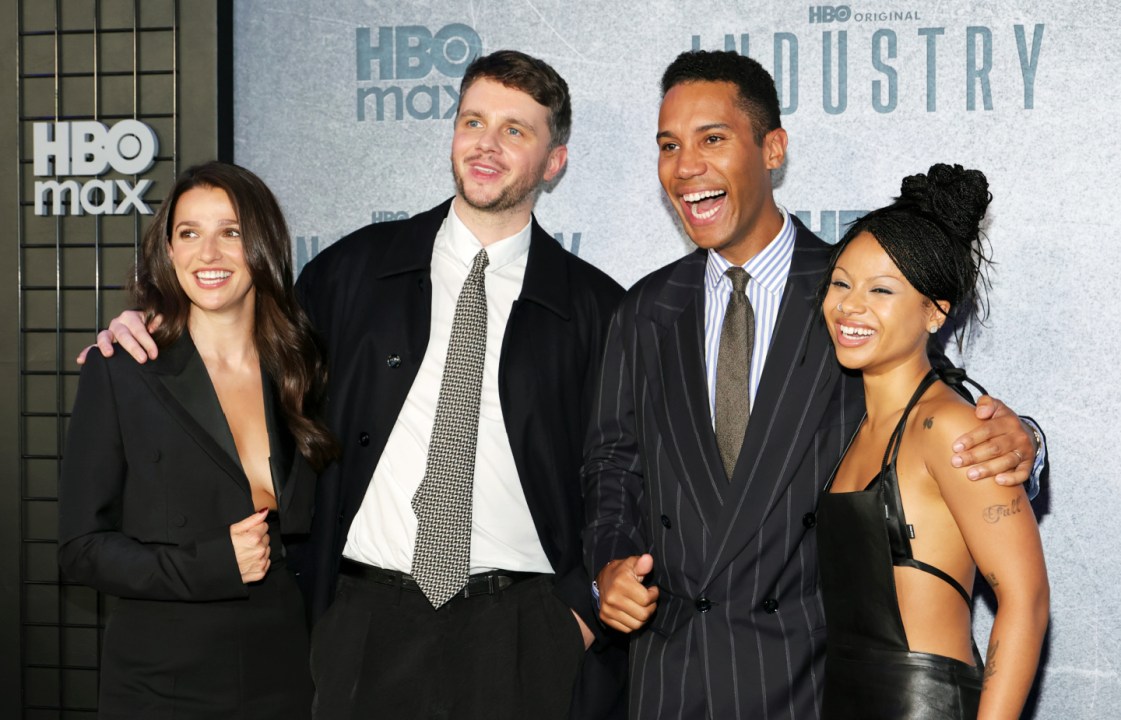
I make no apologies for my fondness of a glamorous lifestyle but by the time I reached the red carpet, I was wrung out. The endless soft-boiled choreography of pretending to be someone important is exhausting. It felt like our team had just won a Democratic primary, as we all adopted the language of the political classes: ‘It’s been such a journey!’ Smile, nod, talk about yourself.
That said, the evening would have made the German count proud. It brought together a cultural coalition of America: attractive gay influencers, Hollywood actors, Anthony Scaramucci. I felt proud in a loud, bombastic way, but also in the quiet way one feels when remembering how hard people worked on something being toasted by those who didn’t. The evening dissolved into a blur of bars, nightclubs, oversized Armani suits, drinks I didn’t have to pay for, and the faintly tragic idea that for one night only, being a writer might still be considered glamorous. It was an elegy for the 1990s. By the time I was back on the plane to London and had collapsed into a fugue state, all I could think of was how nice it would be to see my heavily pregnant wife and our children. As I drifted off, that old Manhattan refrain floated to the forefront of my dwindling consciousness: get me out of here.
The fourth series of Industry is on BBC1 on Mondays at 10.40 p.m.



Comments