

During the pandemic, Florida became a haven for those looking to escape lockdowns. Miami was a “Zoom town,” a place where rich mobile professionals moved to enjoy the beaches and freedom, while continuing their remote jobs. Some $36 billion in extra income tax registered with the IRS in 2022. That great influx of people has now come to an abrupt end.
‘Florida is paradise, but you live in paradise to enjoy it, not to bust your ass’
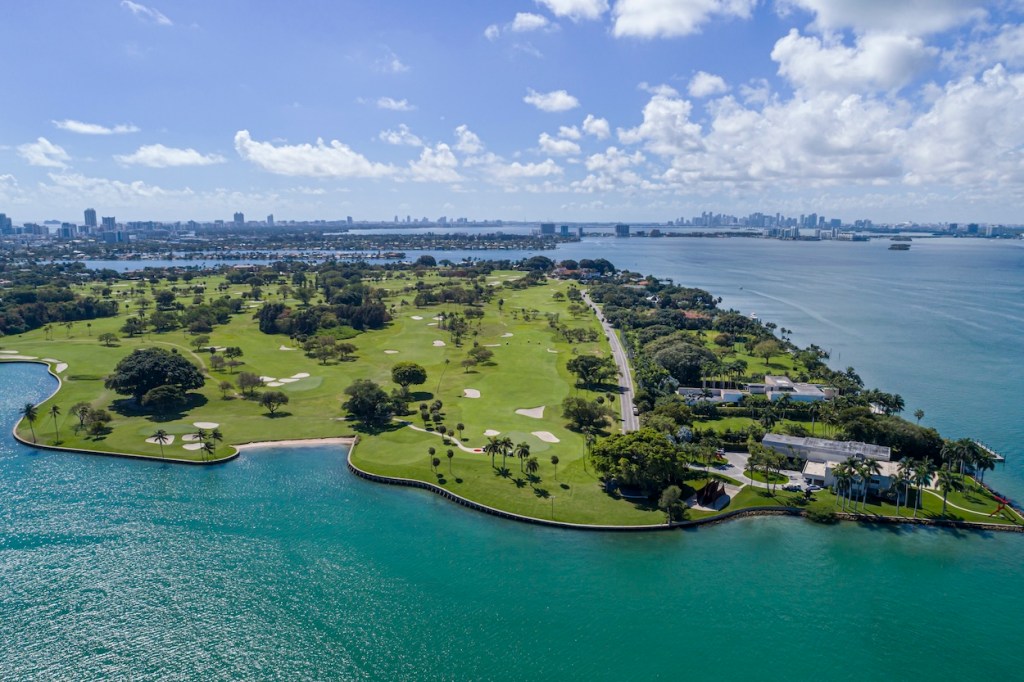
New US Census Bureau figures show that net migration to the Sunshine State has fallen 92 percent since 2022, its lowest level for more than 15 years. The number of people moving to Florida has collapsed, while existing Floridians are picking up stakes and going elsewhere. More than a million of them left between 2023 and 2024. The only people moving to the state seem to be California billionaires. Mark Zuckerberg and his wife Priscilla Chan have bought a property in Miami’s Indian Creek, reportedly valued at more than $100 million.
Normal Floridians, however, can no longer afford to live in their state. Miami and Tampa saw housing prices rise by around 70 percent between 2020 and 2024. I live on a barrier island about 100 miles north of Miami, and the house I bought here in 2020 has seen its market value increase by 62 percent if you believe Zillow or 92 percent if you believe Realtor.com. Either way, that’s a big jump in five years.
The larger issue, however, is insurance costs. In 2025, the average Florida premium had risen to $4,916, some 147 percent higher than the national average. There are many reasons for this jump, but a lot of it has to do with hurricanes and flooding. In September 2022, Hurricane Ian cost insurers $115 billion, one of the largest natural disaster payouts on record. Given the population boom, there’s now a lot more property (and more expensive property) sitting in the way of oncoming storms. Because of this, the frequency and severity of claims has risen dramatically. More than 70 percent of all the nation’s homeowners insurance lawsuits take place in Florida, which has pushed carriers to raise their rates to cover payouts. Nine insurers across the state have gone bust in the past five years, including three of the largest providers.
Not surprisingly, my annual HOA dues have risen tremendously since I moved in, up by a third in just the past three years. My monthly dues are the equivalent of ten extra mortgage payments a year. I am fortunate, in that I can afford to live 800 feet from the beach, but these higher insurance premiums don’t just affect homeowners but renters as well. Landlords are passing these higher premiums on to lessees. Monthly rental payments are about 50 percent higher across the state than they were in 2020, and significantly higher than that in the more desirable metro markets and beach towns.

I spoke about this with a friend who moved out of the state last year with her family to a suburb outside Dayton, Ohio. They were long-time residents who loved it here, but her husband is in the insurance business, primarily selling homeowners insurance for condominiums. In 2021, a high-rise condo in the Miami suburb of Surfside pancaked and killed 98 people. The state legislature quickly passed a law requiring these buildings to keep their reserves fully-funded to pay for maintenance costs. Prior to this, HOAs had been allowed to waive these reserve payments, and many did, year after year.
Condo owners have been faced with five- and six-figure special assessments to bring the reserves in line with the new laws. This had led to a glut of condo listings and vacancies, with many owners taking pennies on the dollar to get out of them. Mortgage lenders have become increasingly unwilling to take the risk associated with insuring these units. Florida’s condo market collapsed with the high-rise in Surfside.
My friend had been renting a 2,800-square foot, five bedroom house in a middle class neighborhood. By the time she decided to move last year, the rent on the house was more than $5,000 a month, double what they were paying a decade ago. They’re paying half as much now for a similar-sized house in Dayton.
“Florida is paradise, but you live in paradise to enjoy it, not to bust your ass and grind and worry,” she told me. “Things got so expensive and tight it stopped being enjoyable. We just couldn’t afford to give the kids the life we wanted them to have. We had to leave.” When I asked her if they would come back if things stabilized, she said no. She wouldn’t move her kids again. That was it, they were gone.
Such stories are common here but unique to Florida, which has become an outlier in the Southeast. For many years, Texas and Florida were the most popular states for Americans looking to move. Now, the Carolinas, Georgia, Tennessee and even Alabama have all surpassed Florida while Texas is holding steady.
Florida has become a victim of its own success. It’s a story that has happened time and again across the country. Brooklyn only became hipster ground zero because Manhattan became safe again then got too pricey. Austin has become a colonial outpost for Californians priced out of the valleys, so Texans have found themselves moving to San Antonio and Fort Worth instead. The difference with Florida is that the entire state has become less desirable.
So far, the financial storm affecting Miami and Tampa have yet to reach my island. Rental prices have risen, but they aren’t yet fubar. Degenerate beach trash are still able to rent here and inflict their social pathologies on us. Shops, boutiques and bars and restaurants are more frequent along A1A, and seven-figure homes are still increasing in value along the island’s dunes.
Yet there is only so much coastline here, and inland Florida doesn’t have much going for it. It’s flat, swampy, generally pretty ugly, and full of weird-ass, prehistoric-looking animals that want to kill you. If you don’t live on the beach or a quick drive from it, there isn’t much to recommend. I would certainly take Georgia, the Carolinas, or Tennessee over just about anywhere in the state between I-95 and I-75.
But man, those coastlines? Heavenly. You sit on a beach in January and February and think to yourself there’s no place better on Earth. That’s why I’m not pessimistic about the long-term future of the state, because Florida has something every person in the country wants and no other place has.
Some might get priced out, but people will continue to move here. As long as the Atlantic doesn’t evaporate and blue state politicians continue to inflict as much fiscal pain on their constituents as possible, we’re never going to run out of New Yorkers, New Jerseyans, Marylanders and Midwesterners. Or indeed rich Californians fleeing the wealth tax.





Comments