
It was Denis Healey who popularised the notion of a ‘hinterland’. The Labour Chancellor, himself a war veteran, wrote in his memoirs about his love of music, poetry and languages, which served as a reminder to himself that there is much more to life than politics. Today’s leaders have different tastes. For Andy Burnham, there is northern soul, Everton Football Club and Wigan Warriors, hints of his Merseyside roots and a Catholic community which shaped him. Kemi Badenoch’s tastes are modern and practical – a science fiction lover, poker player, regular gym-goer and political socialiser, the product of an upbringing in Wimbledon and Lagos.
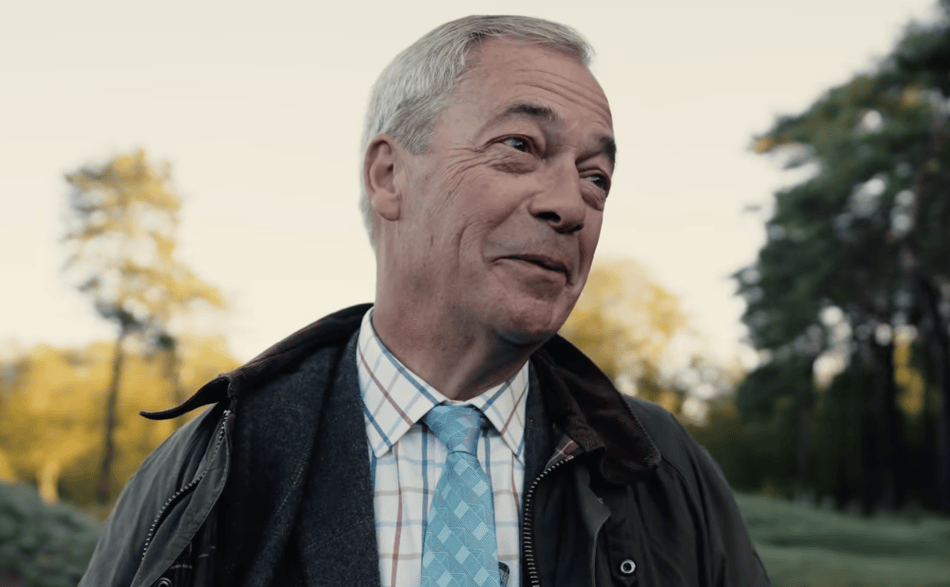
For Nigel Farage, his hinterland points to a lifetime of growing up in the shadow of the war. As a child of the 1960s, he was educated by a succession of veterans at Dulwich College, developing a sincere fascination with the two world wars. Vintage memorabilia clutters his Kent house; his memoirs are peppered with references to the conflicts. A long-standing member of the Western Front Association, Farage regularly attended and then conducted battlefront tours from the mid-1980s until the mid-2010s. Now, his team are trying to showcase that great passion by releasing a film of his first battlefield visit in a decade to coincide with Remembrance Sunday today.
The ethics of war run throughout the film and Farage, interestingly, is hesitant to criticise the Allied commanders who executed deserters, noting the constant fear of mutiny.
A 43-minute documentary shows Farage touring the trenches of the Great War, visiting memorials and explaining what life was like for the soldiers. Various journalists, including myself, were invited to a screening on Thursday, ahead of its release today. The risk was that such a film would smack of political partisanship and an attempt to personalise what ought to be a solemn day of Remembrance. Yet Farage’s team, led by director Harry Parslow, have produced a video that manages to be both engaging and respectful. It shows the Clacton MP at his most positively nerdish, fussing staff around, almost like a school trip, replete with clip board and glasses.
The Reform leader is insightful and knowledgable, talking at length about the thinking behind the Commonwealth Grave memorials, the ‘Dead Man’s Penny’ and the men who now lie in those quiet gleaming graves in Belgium and France. The ethics of war run throughout the film and Farage, interestingly, is hesitant to criticise the Allied commanders who executed deserters, noting the constant fear of mutiny. The question which runs throughout the film is what would any of us have done in such situations. Farage clearly hopes he would have been brave – but is far from confident in knowing what the answer would have been. Enoch Powell suggested he would have liked to have been killed in the war and one wonders if, privately, Farage has a similarly fatalistic assessment.
The film is Reform’s attempt to show viewers what their man is all about. As the viewing began on Thursday, plenty of noise was being made from the front row as Farage, who had already seen the film, began cracking asides to the staff beside him. But as it ended, some 40 minutes later, he was observed to be wiping away a tear, a reminder of the duality of a politician whose popularity has plunged to record lows this year. This film is his team’s attempt to bring the man they know to the wider public and remind them all of what is at stake in future.





Comments