Bernard Herrmann died 50 years ago this month. He only just lived long enough to complete the suite of instrumental jazz that’s now regarded as not only his finest work across many decades as a movie composer, but one of the greatest celluloid soundtracks of all time.

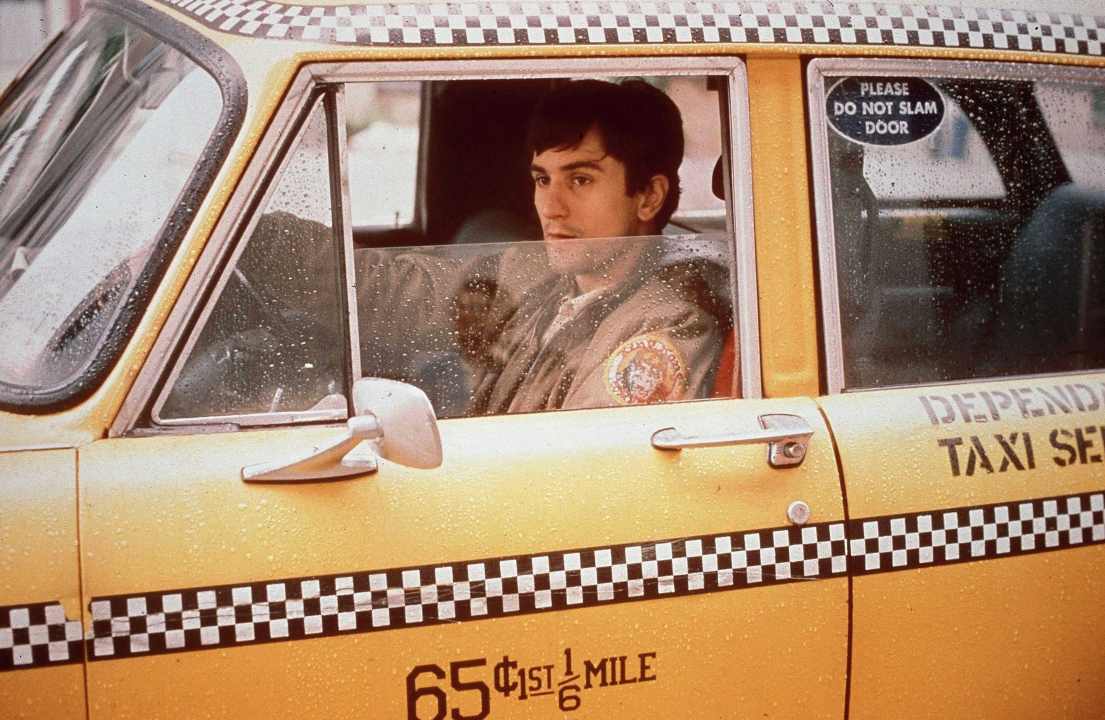
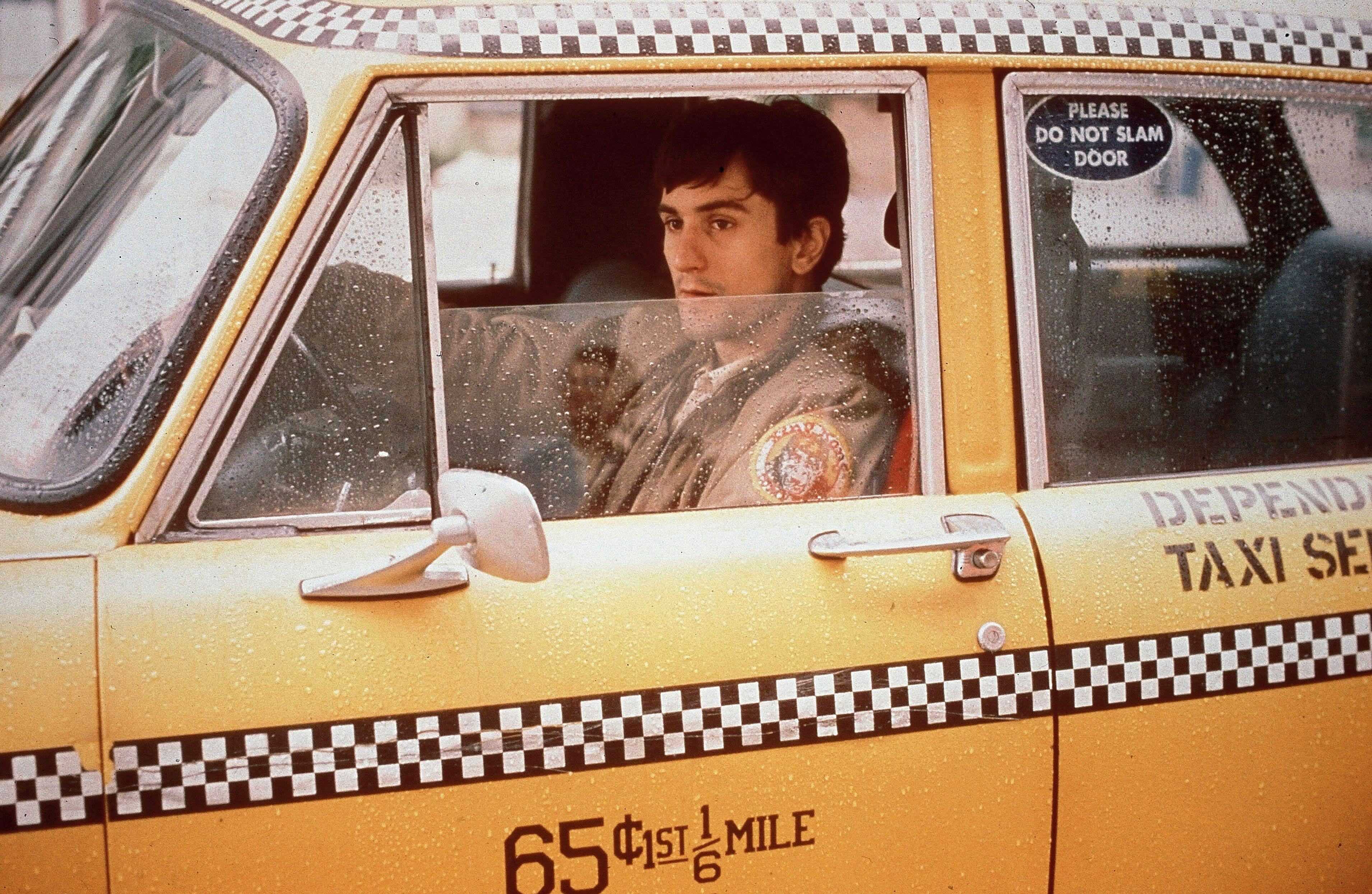
There are very few movies which you can honestly state simply wouldn’t have got out of the traps were it not for the soundtrack. Taxi Driver is one of them. There’s more than enough available film critic geekery about Martin Scorsese and Robert De Niro’s finest hour to plough through already. But the curious afterlife of the Taxi Driver soundtrack was something I had no idea about until a recent Spotify sleuthing session.
You’ve heard the main siren call theme of the movie. It’s an unforgettably sonorous and hypnotic lament to a dying city – as the Big Apple most certainly was in 1975. Manhattan, as any recent visitor will know, has long since been thoroughly sanitised and cleaned up for our pleasure. So what astonishes me about Herrmann’s 50-year-old masterpiece today is that it’s not just beloved by old-timers like me who still cherish memories of cigarette smoke, dive bars and diesel exhaust fumes.
Look online and you’ll find dozens of playlists loosely gathered together under the sub-sub-genre of ‘doomer jazz’. These are collections of tunes which, taking Herrmann’s soundtrack as their root, feature an array of downbeat jazz curated around the atmospherics of blurred neon, wet windscreens, dank truck stops and quiet torpor.
Of course, hacks like me who wish they could take a deep bath in pure essence of Bukowski and Hopper (Edward, not Dennis) are bound to enjoy this kind of music – mainly due to the painfully immature but still extant pretence that a full ashtray, a drifting saxophone and an Anglepoise lamp illuminating a book shelf of musty orange Penguin paperbacks makes us more interesting people. This is highly erroneous, as my friends and fiancée never fail to remind me.
But the fact that doomer jazz has become an attractive genre for twentysomethings should comfort anyone around my age who despairs at the fragile egos and endless neediness of the generations below us. Doomer jazz, belying its title, actually acts as a repository for feelings. It’s the antithesis of the kind of music that takes a listeners’ vulnerability and accentuates it ruthlessly into a paroxysm of self-pity. Yes, I’m talking to you, Morrissey and Thom Yorke.
Doomer jazz is the Gary Cooper of late-night music: stoic, silent and taking care of business regardless. Pain, these chords and solos tell us, is to be endured rather than disseminated over all and sundry at every opportunity. The mood is sad of course, but not in a way that would inspire anyone to post missives of hate on social media or to take a razor blade to their wrists. Rather this is music that (in the best lesson imaginable for anyone under the age of 30) shows us how a little bit of emotional repression can go a long way.
This is music that (in the best lesson imaginable for anyone under the age of 30) shows us how a little bit of emotional repression can go a long way
Yes, you may say, but look what Travis did at the end of Taxi Driver. However, his eruptions of deadly violence were always conducted outside his yellow cab. Inside it, while Herrmann’s music purrs, we see De Niro’s character in states of calm and repose. With Herrmann to accompany him, Travis still has a chance. Outside his vehicle, with the sleaze, grime and crime of New York within touching distance and with the noir-ish somnambulance of the soundtrack’s main theme absent, decline and fall are rapid. Doomer jazz kept the demons from enveloping Travis, and apparently it’s working for young people today too.
The listener comments that pile up underneath the myriad YouTube doomer jazz playlists generally attest to how healing this music is for its adherents. The selections, always including Chet Baker, John Coltrane, Bill Evans and, of course, Herrmann himself, are soothing a new generation, long after the deaths of the creators of this music.
Interestingly, this is an entirely listener-led underground phenomenon. There are no musicians toadying up to the ‘doomer jazz’ label with their own creations. This is a new generation dredging up the past that they weren’t around to experience the first time, rather like the Northern Soul pioneers did in the 1970s.
The much-touted sequel to Taxi Driver was, thankfully, never made. As with all great pieces of art, the feelings it induces wriggle and twirl into new forms that are much more interesting than any Travis comeback amid the pilates studios and juice bars of present day New York.
Yet somehow, the musical accompaniment to this bleakest of films is comforting people whose parents might not even have been born in 1975. The ethos of doomer jazz is long overdue. It’s OK to feel sadness, loneliness and ennui – but it’s also imperative to survive, to keep going into the rain-sodden, bleary night.




Comments