
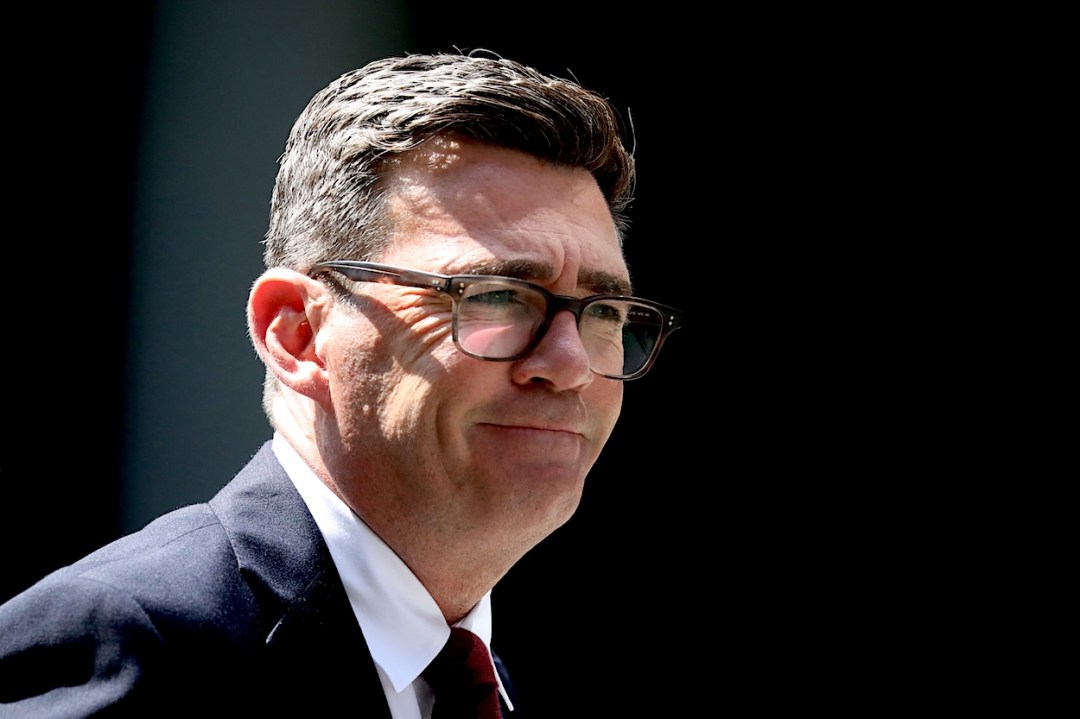
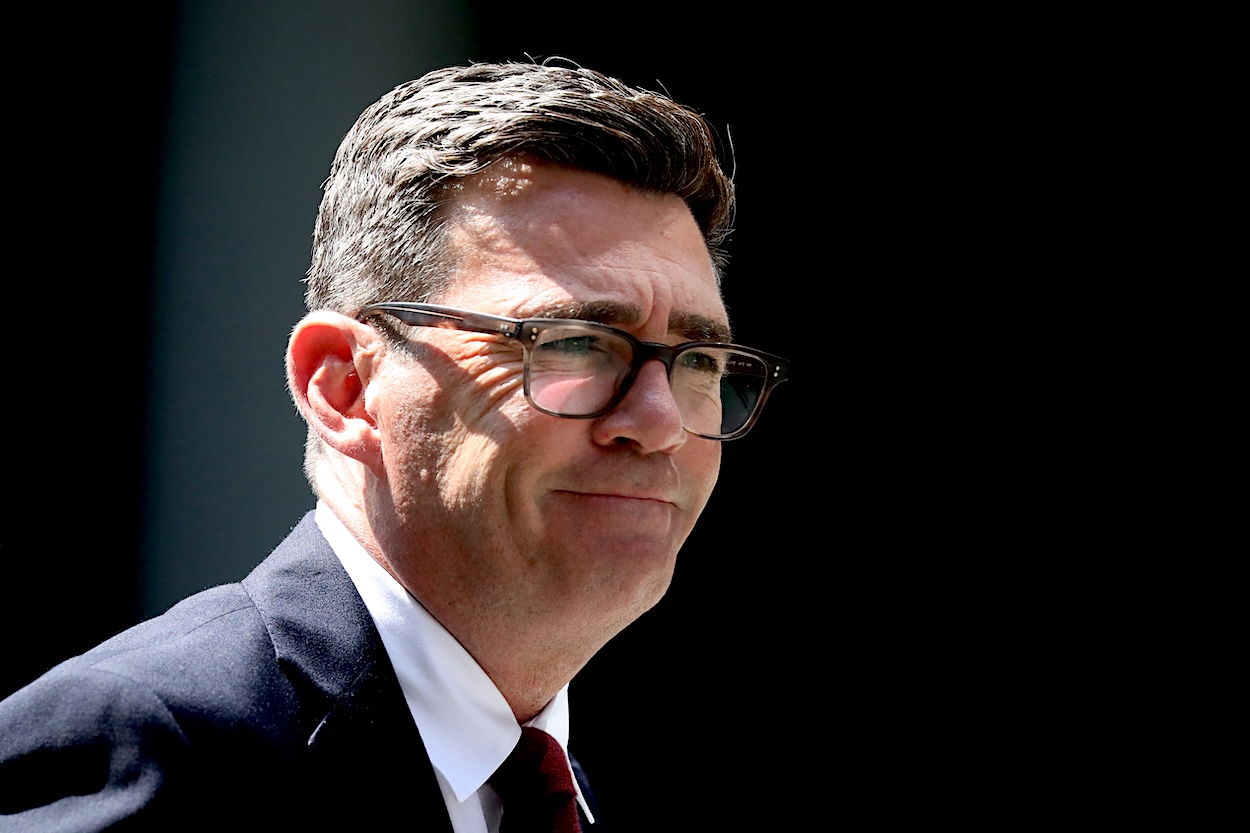
Andy Burnham told his Cabinet this morning that they need to give people a ‘sense that help is coming’. He was largely focused on the cost of living as he addressed ministers, but one of his other big themes in the past 24 hours since taking over as prime minister has been moving power out of Westminster and ‘into every postcode in the land’. It’s the kind of pitch that most new PMs make before they start to realise the limits of their own power, and wonder whether they want to let go of any more of it in the way they’d initially suggested.
Burnham is coming into government at a time when the British state seems pretty powerless. He is promising a ‘circuit breaker for Britain’, but like all the other prime ministers before him in recent years, he hasn’t yet managed to articulate how he is really going to break the most pernicious circuit of all, which is the one keeping Britain in a state of learned helplessness. There is a widespread acknowledgement and understanding of the big problems that this country faces, but little ability or effort to really fix them. Whitehall and public services seem stuck in a loop where they can recognise their own individual problems, but then decide not to really address them because they involve complex solutions.
You can see this in so many of the scandals that continue to run along in plain sight. With every new report into scandals in NHS maternity services, we see different hospital trusts acknowledging that there is some kind of problem, commissioning another review into that problem, and then on reading that the review says one of the key factors is staffing shortages, doing nothing to solve that issue or indeed any of the others identified – bullying, ideology around ‘normal births’, and so on. Another example that’s dear to Burnham’s heart is social care, where governments give the illusion of activity by commissioning yet more reviews into how to fund the sector properly, before deciding it’s all too difficult, and waiting for another prime minister to come along soon and repeat the process.
Just last week, in the dying days of the Starmer government, ministers published two little-read written statements in parliament which illustrated this problem. The first was about the costs that the government has incurred in responding to the Covid inquiry. To be clear, not the costs of the inquiry itself, just the amount of money that’s being spent in Whitehall departments. Thus far the total for 2025/26 stands at just over £15 million for Covid Inquiry Response Unit staff, and £16.3 million for legal costs. We do not yet have a sense of how effective the response to the inquiry will be, but those costs are hardly insignificant. It might, though, be that regardless of all the promises to ‘learn the lessons’ of the last pandemic, the real response in policy terms does not merit the money spent either on the Inquiry itself, or on the government’s responses.
A second statement came from Home Secretary Shabana Mahmood, launching yet another inquiry into an inquiry. You read that right: the Undercover Policing Inquiry is now getting a review into whether it’s doing its job. Mahmood pointed out that this particular inquiry was established in 2015, and was supposed to conclude within three years. It is still running and has spent £137 million. ‘Ministers remain concerned about the length and cost of the inquiry and the delay in providing outcomes to those affected,’ she wrote. So there’s going to be a consultation on ‘the future structure, scope and format of the work needed to bring the remaining matters the inquiry is set to investigate to a conclusion’. It will close on 20 August, with a decision on the future of the inquiry in Autumn 2026 (though that was before then change of prime minister).
Both these statements show how hard the government finds it to even get recommendations on how to learn lessons. But even when it does receive those reports, it finds it even harder to implement those recommendations in a meaningful way, hence repeated inquiries in so many different scandal-hit policy areas. The question for Burnham, who is himself a bit of an inquiry enthusiast, is surely less ‘how can I transfer power’ than it is ‘how can I find enough power to get the state moving again’. At the moment, it appears stuck in the same kind of torpor as someone who knows they should go to the gym, but remains on the sofa.





Comments