
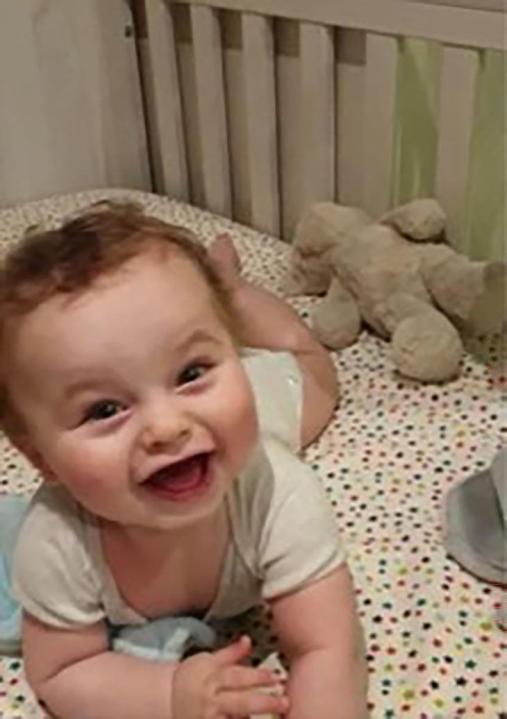
Poor baby Preston didn’t have much of a start in life. His mother Sarah, now 42, was jailed aged 14 for the 1998 torture and murder of a pensioner. Preston was, justifiably, taken from her after birth. Given these unpropitious circumstances, it was the job of the state – here Oldham council – to give him a fair start in life. To begin with, that’s what happened; a decent foster family looked after him.
Preston’s birth grandmother suggested that worries about homophobia may have skewed the judgment of those who were meant to be supervising him
It was when he was given to the care of Jamie Varley, 37, and his boyfriend, John McGowan-Fazakerley, 32, that he was subjected to sexual torture, fear and pain over the course of four months that ended his life. A post-mortem examination found Preston, who was just 13 months old when he died, suffered more than 40 injuries, including 30 visible bruises and serious internal injuries to his throat and bottom.
During the trial that led to Varley’s conviction for murder and his boyfriend’s, for allowing the death of a child, the jury heard of Preston’s three visits to hospital – including one for bruises, one for a fractured elbow – and two visits by social workers, one of whom noticed he was pale and not quite himself. Varley told a colleague he had dark fantasies about drowning the child, but told him that his social worker was aware of the problem.
But then Varley, whose dry-retching performance in court after his conviction showed him to be quite the drama queen, had taken a year off work to look after Preston, and resented being at home all day while McGowan-Fazakerley was at work. Lots of couples have difficulties with a new baby, but in the case of Preston, you might have thought that social workers would have been all over his case; that nurses in hospital would have been alert to the possibility of wilful harm; that the repeated admissions just might have given rise to greater scrutiny of the child, whose injuries were all too visible after death and presumably would have already been evident for weeks before. But that scrutiny, that common-sensical vigilance was absent. Why?
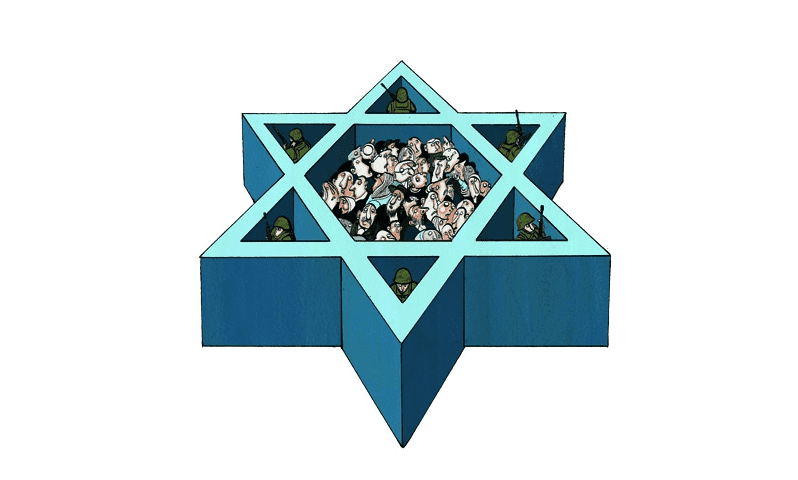
The inevitable response will be that social workers are overstretched, that Varley – who in an instance of the grimmest irony was in charge of safeguarding at the school he worked for – was articulate and plausible; that the couple were well off, so may have talked the social workers and the doctors and nurses round.
But another factor was raised by Preston’s birth grandmother, Debbie Davey. She has suggested that worries about homophobia may have skewed the judgment of those who were meant to be supervising him. ‘Social services might have been hesitant to take action when they saw Preston because they may have been accused of being homophobic,’ Mrs Davey said. ‘They didn’t see through [Varley and McGowan-Fazakerley] and see what was going on.’
Oldham Council hasn’t sacked or suspended any social workers who saw the child. There’s to be an inquiry. But we must wonder whether this inquiry will grasp this particular nettle: was it anxiety not to be seen as in any way homophobic that led to the pair being let off really rigorous scrutiny, such as giving the child a thorough inspection after he was found to be off colour, or when he was admitted to hospital with those bruises and that fracture? Did the individuals in each case go easy for fear of Varley calling them biased or institutionally homophobic? The abuse, if we are to judge from the images on Varley’s phone, did not only happen just before he died. I wonder, I really do, whether the inquiry is even able to find that out. Certainly I wouldn’t want those social workers – so strikingly incurious, so willing to accept Varley’s word – anywhere near vulnerable children in future.
The pair will be sentenced on Thursday. Whatever their sentence, they may well get short shrift from other convicts in any prison where their offence is known. That poor little soul didn’t have much chance from the start; might we hope that the phrase “looked-after” child might now start to mean something?



Comments