
Is the government engaged in a campaign by stealth to return the UK to membership of the EU? It couldn’t make a better job of it if it was trying. This morning comes the news that Britain is to rejoin the Erasmus scheme, which offers students the opportunity to engage in an exchange with other European universities. The scheme was discontinued when Britain left the EU, but it will now be reintroduced for the 2027/28 academic year, when the government says that 100,000 students could benefit.
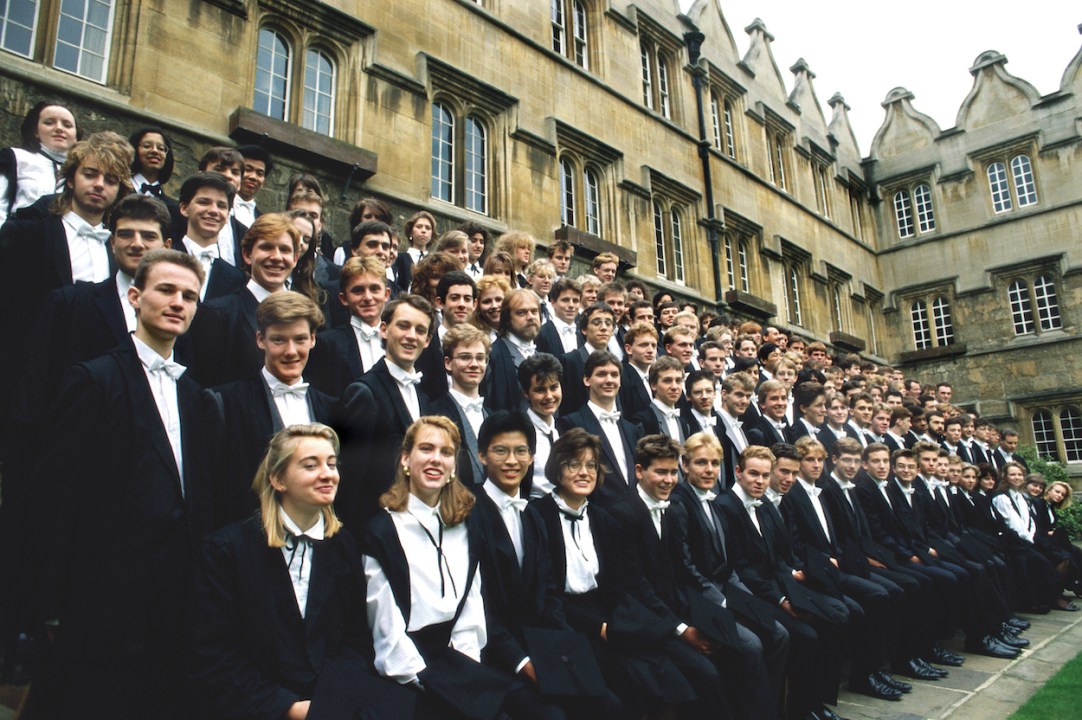
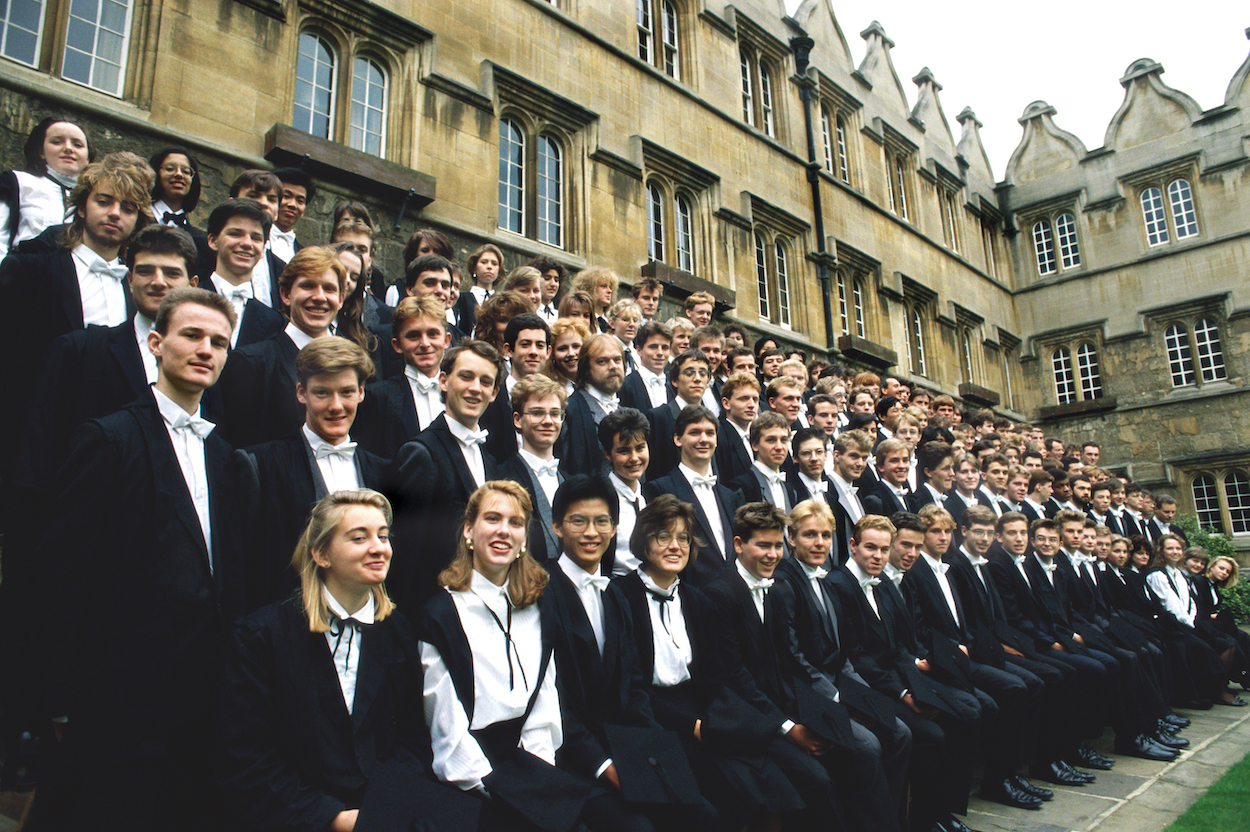
It is easy to make a case for a scheme that gives students chance to study abroad – the ‘travel broadens the mind’ argument. It is also possible to make a case against it by arguing that many of those who engage in student exchange programmes are perhaps less drawn by the chance to broaden their intellectual horizons as to enjoy an extended stag weekend.
I am sure it is the quality of Spanish scholarship that entices students
But that all rather misses the point, which is that students have not been deprived of the opportunity to study abroad over the past few years because the Conservatives introduced a replacement for Erasmus, the Turing scheme. The main distinction between the two arrangements is that the latter offers UK students the opportunity to study all around the world. But that doesn’t seem to register with the Eurocentric Remain lobby, for whom any kind of international co-operation doesn’t really count unless it is overseen by the EU. To them, Europe is not merely the cradle of civilization; it pretty well marks the boundaries of the decent, enlightened world. God forbid that any UK student might want to take part in an exchange programme with a university in Donald Trump’s America. Remainers do the same with trade: to them, free trade with the EU is essential to the health of the UK economy, but a trade deal with the US, Australia or anywhere else outside Europe? That is a grave threat to our farmers and will expose consumers to all kinds of toxic and substandard products.
It is true that the Erasmus scheme is more generous than the Turing one – the budget for the latter is £78 million rather than the £570 million that the government has allocated for Erasmus in 2027. Turing is helping 28,000 students a year, rather than the 100,000 expected to take up opportunities through Erasmus. But it is a fair guess that the 28,000 is likely to have a higher proportion of more serious students who want to use their time academically. I am sure it is the quality of Spanish scholarship and absolutely nothing to do with the sand, sea and bars that accounts for Spain being by far the most popular destination for Erasmus students.
It would be easy to miss another announcement today: that the government is also engaged in negotiations to create harmonised electricity and carbon markets with the EU. Coming on top of Starmer’s great ‘reset’ in UK-EU relations, which will see Britain once again coming under the jurisdiction of the European Court of Justice, it is hard not to see the direction of policy here. Were Labour to survive 10 years in office – which is highly doubtful – I would expect the party to return the UK to full membership of the EU as tidying-up exercise. By then, we will be a de facto member state.



Comments