‘We failed,’ wrote Stefan Zweig in The World of Yesterday, ‘to see the writing on the wall in letters of fire.’ Looking back on the twilight of Habsburg Vienna, Zweig marvelled at how an entire civilisation could remain so certain of itself just as the ground began to give way beneath it.

The same sense of elegiac anxiety now drifts over Chipping Norton, although its prophets are chiefly property correspondents. According to a recent report in the Times, house prices in parts of Oxfordshire and Gloucestershire are beginning to soften. This comes as a surprise. The Cotswolds has spent the past decade attracting the sort of wealth that normally regards gravity as an optional extra.
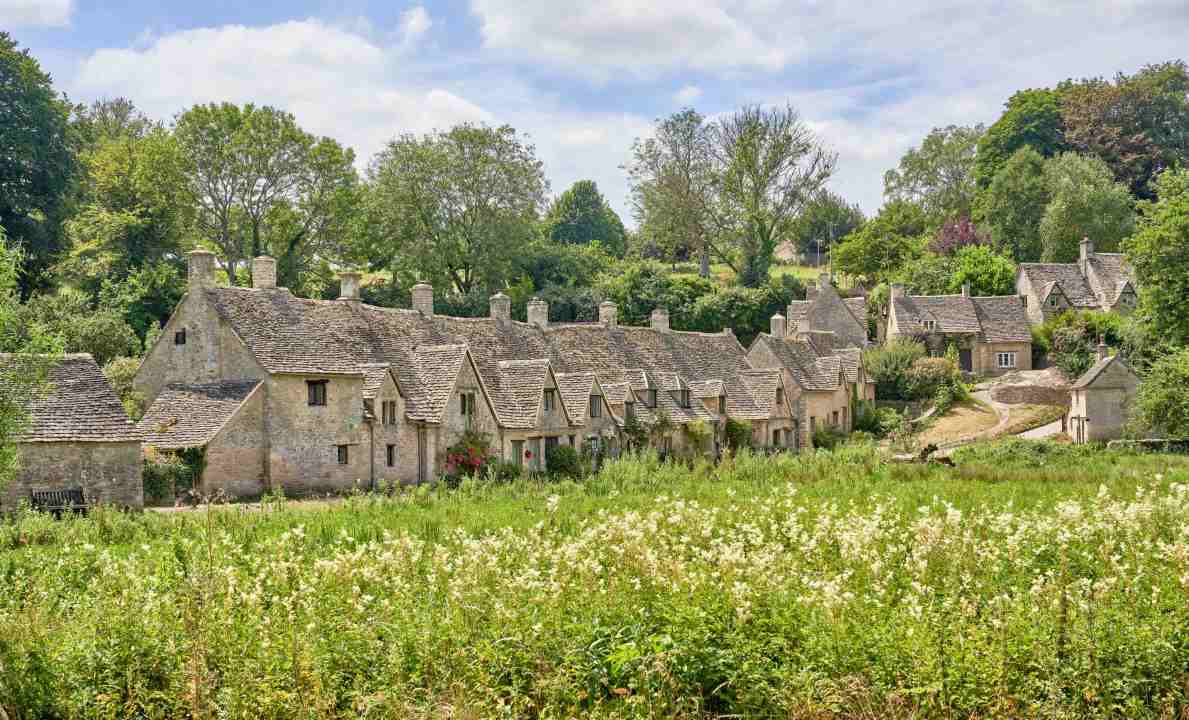
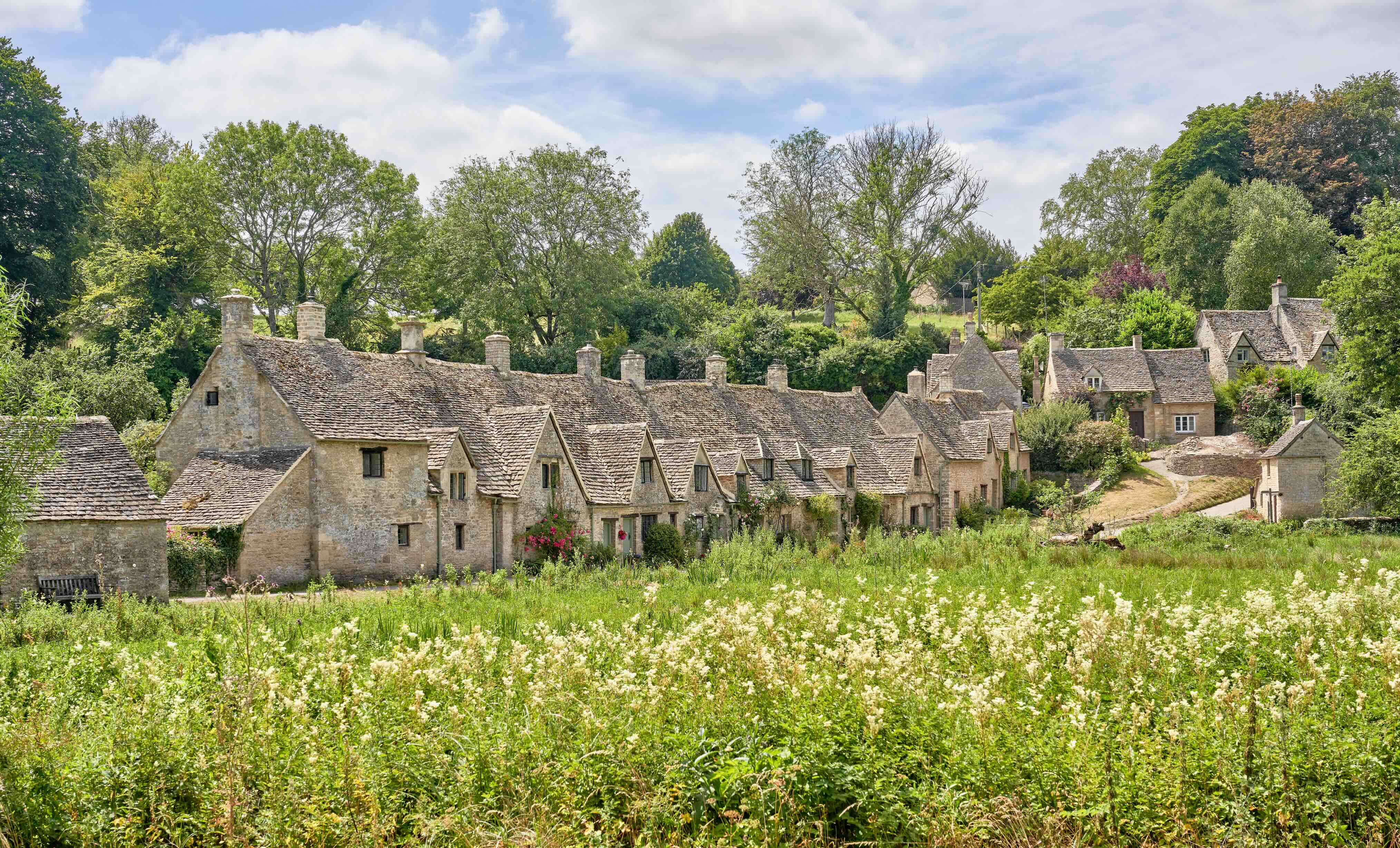
Part of the appeal extends beyond the property itself. The Cotswolds has become one of the most recognisable versions of England, both at home and abroad, a sort of open-air ethnographic museum in which England continues to perform an idealised version of itself.
Nowhere has that appeal proved stronger than in the United States. North American buyers accounted for 13 per cent of purchases above £1.5 million last year, according to Savills, nearly four times the long-term average. The arrival of Ellen DeGeneres in 2024, with the purchase of a £15 million estate, seemed only to confirm the region’s growing hold over the American imagination.
Which, to the casual observer, makes the recent signs of a market softening all the more unexpected. Last year, DeGeneres reportedly sought to sell the property for £22.5 million before withdrawing it from the market after failing to secure a buyer. If the Cotswolds was supposed to be the one corner of England where prices only moved upwards, reality appears not to have received the memo. Savills estimates that prices have fallen 12 per cent from their post-pandemic peak, leaving the area only around 4 per cent more expensive than it was in March 2020.
The evidence points in opposite directions. The Cotswolds has never been more talked about. The international jet-set are still buying, and yet prices are beginning to soften. The boom has entered a quantum state in which it is simultaneously both ending and unstoppable.
Fortunately, Samantha Scott-White, an independent buying agent, is able to explain what physics cannot. The market, she says, has not suffered from a shortage of buyers so much as a surplus of optimism. In many cases prices have drifted back towards pre-pandemic levels, but demand remains strong, particularly among wealthy international buyers.
‘There are still certain sellers who have over-inflated ideas about the prices of their houses,’ she says. ‘But if you look at Rightmove, you will see page after page of reduced prices. Sellers need to be more realistic.’ Interest from North America remains high, alongside enquiries from Britons returning from overseas. In that sense, the Cotswolds remains exactly as fashionable as ever. What appears to be ending is not demand, but the brief period in which almost any asking price could be presented with a straight face. In other words, demand remains abundant. Credulity is becoming scarcer. Buyers also face further complications. While house prices may have softened, improvement costs have not.
But rising costs may not be the whole story. The danger for any successful brand is overexposure. One can only be told that the Cotswolds are wonderful so many times before a small, disobedient part of the brain begins looking for contrary evidence. On a recent foray north, somewhere between Kingham and Daylesford, I experienced a psychological event for which English lacks an adequate term. It combined envy, irritation, aesthetic exhaustion and a sudden yearning for a burnt-out Vauxhall Astra or a boarded-up betting shop. A sort of reverse pastoral ecstasy.
The villages themselves are innocent. The greater culprit is the endless stream of material devoted to explaining their perfection
Somewhere in the mind, quite uninvited, a counter-image began to form: Bibury rearranged into something resembling a pastoral ‘Guernica’: bridges smashed, duck ponds sucked dry, hanging baskets scattered across the landscape. At that point I began to suspect that further exposure might not be in my best interests.
In due course it became apparent that the condition was not insanity but saturation exhaustion. The villages themselves were innocent. The greater culprit was the endless stream of material devoted to explaining their perfection: Cotswolds kitchens, Cotswolds weddings, Cotswolds Christmases, Cotswolds weekends, Cotswolds retreats and the secrets of achieving the Cotswolds look.
Which may be the strongest evidence of all that the Cotswolds remain culturally dominant. Nobody grows weary of places they scarcely think about. The buyers are still arriving. The waiting lists remain. The television crews continue filming. The Americans have not gone home. None of this sounds much like a place in decline.
If the walls are indeed attempting to communicate, they have adopted a characteristically English mode of expression: neither fire nor prophecy, merely a modest reduction in the guide price.




Comments