
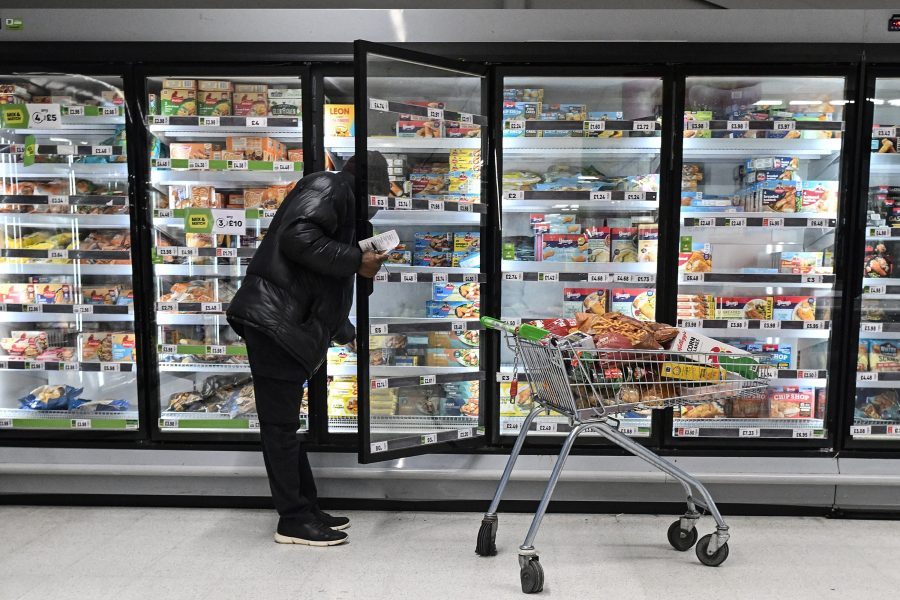
In October, tens of millions of euros worth of food in French supermarkets was spoiled after hackers took control of refrigeration systems in hundreds of shops and turned up the dial. In one Normandy supermarket, temperatures reached 80°C. Since then a wider wave of cyberattacks has hit supermarkets across Europe. It’s the first concerted cyber-attack against food chains, something resilience planners have been concerned about for years – and even more alarmingly hackers have begun to target fridges in French blood banks. It is also thought that US military commissaries may have been targeted. The National Cyber Security Centre (NCSC) has said that cyber attacks have already impacted refrigeration in British meat processing plants and that AI-powered cyber hacks mean that what we have seen in recent weeks is ‘only the start’.
Now that this vulnerability has been exposed many people are, understandably, asking questions such as ‘why are freezers even connected to the internet???’ and declaring that ‘smart fridges are one of the dumbest things ever’, a chorus which will only grow in the coming months if our supermarkets can’t provide food.
AI-powered cyber hacks mean that what we have seen in recent weeks is ‘only the start’
We may well decide that, for resilience reasons, it makes sense to encourage supermarkets to take their fridges and freezers mostly offline. But this will come at a cost. There is a strong body of evidence that supermarket adoption of the Internet of Things (IoT) – where sensors, software and signals allow remote monitoring and control of equipment – has brought operational efficiencies that benefit consumers and reduce electricity demand on the grid.
The big advantage of having your supermarket fridges connected to the internet is that it allows engineers to deal with some issues remotely. Technicians do not need to turn up in person to trigger a defrost, for example. The connections also allow companies to monitor what is happening in their fridges around the clock. If they break down when there are no staff in store, an alert can be raised, and it is easier to detect refrigerant leaks. IoT fridges can also cut bills as they can lower their energy use when grid demand is highest, and power more expensive, and raise it when demand is lower, and energy is cheaper, over the course of a day, while keeping inside temperatures within the safe range.

When these sorts of small individual maintenance efficiencies are multiplied over huge supermarket estates the savings are substantial. A Rhode Island government study into energy consumption reduction from supermarkets estimated that maximising load flexibility across all US stores could result in as much as 2.5GW power use shifted (for comparison, Sizewell B produces roughly 1.2GW). In 2023 Tesco reduced its energy use by ten per cent in eight distribution centres when it trialled a new AI system to enhance its temperature management systems. The American supermarket chain Kroger has reduced average store electricity consumption by more than 30 per cent since 2000, something credited in part to its IoT rollout.
Supermarkets operate with very fine margins and losing these efficiency savings would undoubtedly have a knock-on impact for the weekly shop if we decide that this vulnerability has to be addressed by moving over to offline systems. We have operated on the assumption of a fairly stable cyber-security environment and this may have to change now that AI has made infrastructure easier to hack, just as we may now have to pay for our fertiliser feedstocks to be trucked overland in the Middle East instead of having them sail on cargo ships through the Strait of Hormuz.
But this will come with tradeoffs, namely increasing the cost of food and demand on the grid – two pressures which Britain, with its inflation and net zero-addled energy grid – is poorly equipped to manage.






Comments