In case you missed it (well done, if so), last week Will Self wrote an extraordinary rant on Substack attacking various journalists for how they wrote about Jason Arday and demanding they be held responsible for his death. It reminded me of one of those dogs in a pub that starts barking at some imagined threat to its owner, then gets carried away with the excitement of its own barking until it totally loses its mind and has to be taken outside to calm down.
There was a passage where the loquacious one went after the excellent Melissa Kite: “J’accuse Melissa Kite of turning Arday into a lovable conman, an entertainment through whom the supposed obsessions of contemporary education with minorities and disability could themselves be mocked… I wonder if she also enjoys meeting her readers: getting together so they can all make each other laugh about ‘cripples’ and n—s: it doesn’t seem remotely implausible to me.”
Being a paraplegic is a harsh, effortful business. We have to work twice as hard to be half a person
Melissa was understandably appalled at this puzzling bit of mind-reading on the part of Self, responding on The Spectator’s website: “I absolutely have never laughed about ‘cripples’ or ever used that word. So why is it in direct quotes? And I have never used the n-word so why is he saying it is plausible I have?”
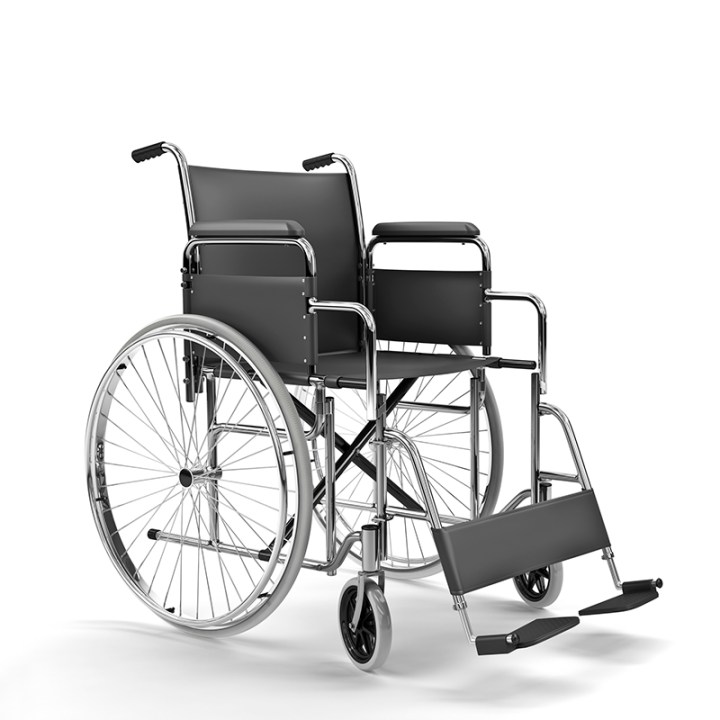
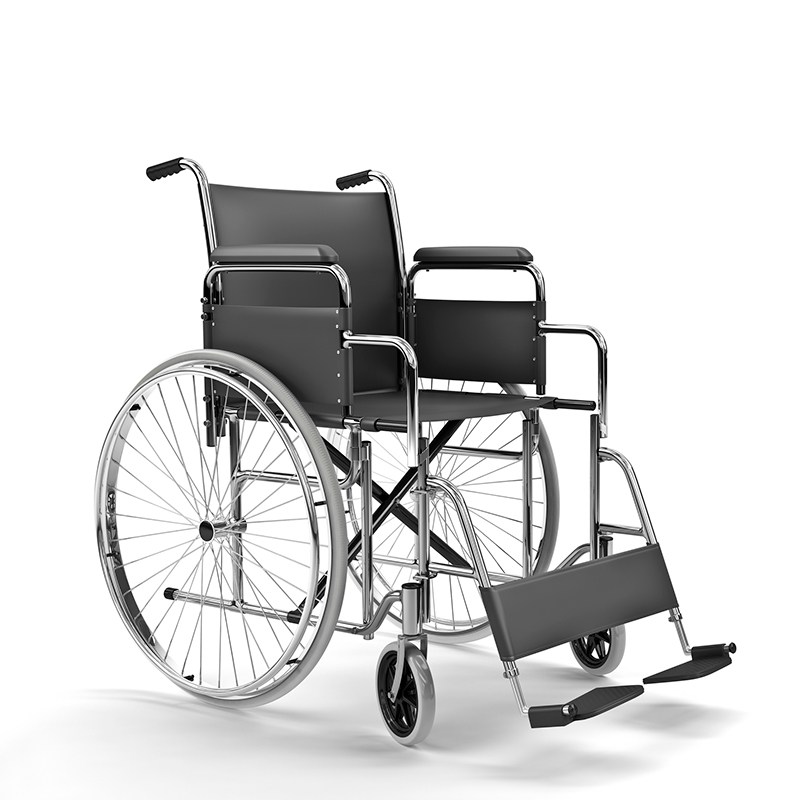
I would never use the n-word in a million years, but I don’t see it as in any way comparable to the word “cripple”, which I’m sure Melissa wouldn’t use either. I, however, often describe myself as a cripple. It’s a much better word than a “paraplegic” (too medical) or a “wheelchair-user” (implies some level of voluntary behavior – a hobby, even). The Disability Unit of gov.uk advises:
Avoid phrases like “suffers from” or “confined to” (for example, a wheelchair) which suggest discomfort or constant pain. Use neutral, factual language such as “has” (for example, an impairment) or “uses” (for example, a wheelchair). Avoid passive words which portray disabled people as victims. Use language that respects disabled people as active individuals with control over their own lives.
But often we disabled people don’t have control over our own lives. We are frequently at the behest of others and we are in discomfort a lot of the time.

I like the harshness of “cripple.” For me, for whom a spinal operation was the only alternative to dying, it conjures up the feeling of having one’s legs kicked away from under one with no warning, of feeling like a broken doll, made of different parts from different dolls which a cruel child has forced together. (Illogically, though, I can’t stand “lame” – another ancient word for not being able to walk – with its connotations of giving a poor performance.)
When I don’t use “cripple,” it’s out of deference to other people of a less brutalist disposition, such as when I have to describe myself on the telephone to the community nursing service. They tended to gasp when I used the c-word, so now I simply say: “I’m in a wheelchair.” A friend who works with disabled people says: “I often ponder the language I use at work. I think the therapist’s job is essentially to help someone cope with a new reality. Sometimes that means drawing attention to it, and other times it means trying to make them forget it. It’s a balancing act that’s different for everyone. I guess words like ‘cripple’ just feel like they’re drawing a bit too much attention to the reality.”
I also love the old Cockney rhyming slang for disabilities, rough and affectionate. I am a “raspberry” (ripple). Then we have “Canary Wharf” (dwarf), “bacon rind” (blind), “Diet Pepsi” (epilepsy) and the magnificent “Bennie and the Jets” (Tourette’s). I prefer all of these supposedly “abusive” names to the stiff, condescending ones such as “differently abled” or, even worse, that catch-all “vulnerable” which, as Spiked’s Ella Whelan has pointed out, seeks to remove all agency from the disabled and reduce them to a childlike state of dependency.
Words can never hurt me, but I am made cross by that small but growing band of weirdos who see disability as fashionable and want in. There are the straight-out kinky beggars such as “One-Hand Jason” of Canada, who achieved his lifetime’s ambition to be disabled by cutting off his right arm with “a very sharp power tool.” But there are also the sneaky part-time ones, who turn up with their blue fringes at marches for Palestine or trans rights with more walking aids than surely reflects the national average – the victim-cosplay class whose mental afflictions lead them to identify as physically handicapped. My friend saw a wheelchair chained up with a row of bikes recently. If you can treat your precious chariot like that then you’re using it as a prop, and you’re probably one of that breed we cripples have cheeky slurs for: “shelf-reachers” “thumbs” and “TABs” – temporarily able-bodied.
Cripples come in all shapes and sizes; some were born crippled and some had crippledom forced upon them. Some feel sad and isolated by their condition; some are on top of it and do exceptional things. Most of us feel happy and sad, at various times, just like bipeds.
But by cleaning up the words for it, it’s as if people believe that they can clean up the problem. Being a paraplegic is a harsh, effortful business. We have to work twice as hard to be half a person. The way I see it, calling oneself a cripple, just for a moment, forces those lucky swine who live in fully working bodies to face the reality of disabled lives. That’s why it doesn’t offend me – even if I believed for a moment that Melissa ever uses it, which I don’t. So Self can quit his barking.
Julie Burchill can also be read on julieburchill.substack.com.




Comments