
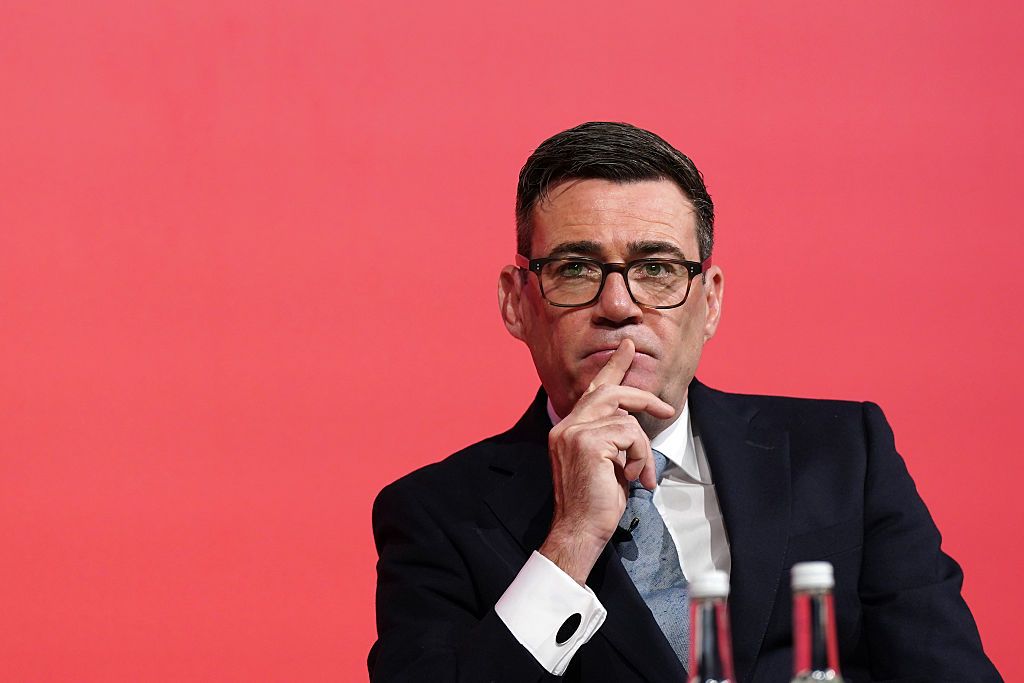
It could be the Customs Union? It could be the Single Market? Or it could be rejoining completely. The Prime Minister Andy Burnham this morning set out his ambitions for a closer relationship with Europe. There is just one problem. It is hard to see how the economy can withstand a whole decade of Rejoin uncertainty.
It certainly isn’t going to be a quick process. Burnham is looking at a whole range of options for moving closer to the rest of Europe. In truth, he doesn’t seem to be certain what he wants himself. But signing back up to full membership is clearly back on the table.
The British economy still bears the scars of a decade of arguments about Brexit
Of course, there will be plenty of hardcore Europhiles who will welcome that. They never wanted to leave in the first place. Here’s the problem, however. It will mean a decade of trading chaos.
There are three big issues. To start with, it will take a long time. Burnham needs to win an election first, and even when that is out of the way, there will still be many years of negotiations with Brussels. At the end of it, there will be no certainty of success. A British government might walk away from a bad deal, or it might be vetoed by one of the other members (probably France). No one will know the outcome for at least a decade, and perhaps more.
Next, the EU will demand tough terms. Britain will have to sign up to the Euro. The single currency is more stable than a decade ago, but there is still very little evidence it is better for growth. Meanwhile, the EU has taken on more than 700 billion Euros of its own debt that still needs to be repaid. Presumably we will be on the hook for that even though we be benefitted from none of the spending. It is hard to see how that will help our already simmering debt crisis.
Finally, all our other trade agreements will have to be cancelled. Our membership of the Pacific bloc, the CPTPP, will have to be put on hold, while EU tariffs elsewhere may well be reimposed. How much? And when? Nobody knows. It is hard to see why anyone would go to the bother of trying to export anything against that backdrop.
There was always a perfectly respectable argument that it was not worth the hassle and cost of leaving the EU. But for most companies, the disruption is now in the past. A decade of wrangling over the issue all over again is the last thing they need right now. The British economy still bears the scars of a decade of arguments about Brexit. It is already in a fragile condition, with growth stagnant, investment weak, and a Budget next month that threatens yet more tax rises. Ten years of furious Rejoining arguments will only make that worse – and leave the economy even weaker.






Comments