
It is starting to look very likely that the government will drop the complete ban on the sale of petrol cars after 2035 and ease up on the targets for the transition to battery-powered vehicles (EVs). The industry is not ready for it, the infrastructure does not seem to be in place, and it is all costing too much money.
But will watering down government targets for how many EVs the industry sells actually solve any of these problems? The charging networks will need compensation, while it will take a lot of money to rebuild the domestic industry. In reality, Britain will still have to pay a high price for the doomed attempt to centrally plan the car market.
It may just be a matter of time before the 2035 ban on the sale of new petrol cars is scrapped. The EU is already close to dropping its ban on the sale of internal combustion engines, as the scale of the damage it has imposed on the German and French auto industries becomes clear. Here in the UK, there is speculation that it will be watered down, with a 50 to 80 per cent target for EVs the most likely replacement. Along the way, the targets that mean manufacturers have to sell an increasing number of EVs every year or face fines are likely to be relaxed as well.
Government targets always end in chaos
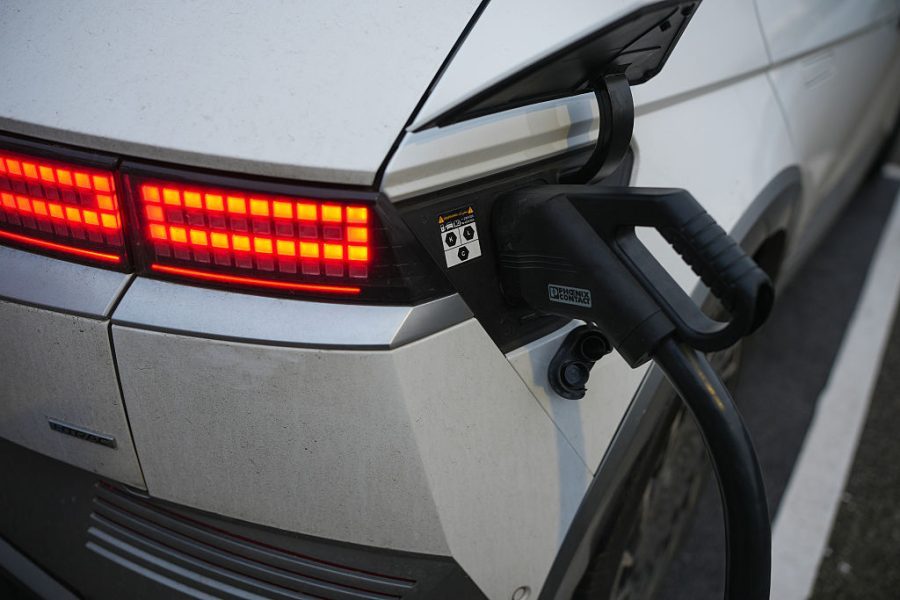
Problem solved, right? Well, not exactly. Charge UK, the trade body for all the companies that have been building charging points across the country, has warned that its members will have to cut installations, raise prices, and renegotiate contracts with local councils. It may end up costing the government hundreds of millions of pounds in compensation. Sure, there may be an element of special pleading in that. And yet, in fairness, the chargers are making a perfectly reasonable point. They have invested a lot of money on the basis that we would all have to plug in our cars, and if that doesn’t happen, they will lose a lot of money.
It doesn’t stop there. The major manufacturers, and even more their networks of dealers, have had to rebuild their businesses around selling a set number of EVs. The garages have had to retrain their staff for a world in which no one knows what a spark plug is anymore. Meanwhile, the tariffs that are likely to be imposed on cheap Chinese EVs will push up the cost of buying a new car for everyone.
This is truly a mess. Unwinding the 2035 ban on the sale of petrol cars is going to prove almost as expensive as imposing it in the first place. The fundamental problem was that the government tried to plan the auto industry from the centre. Sure, many EVs are excellent cars. But it would have been far better to leave consumers to decide when to buy them, perhaps with some modest tax breaks, such as exemption from congestion charges, to encourage early adoption.
There is a lesson in that: government targets always end in chaos. It would have been far better to let the market decide how to transition to lower-pollution vehicles.






Comments