
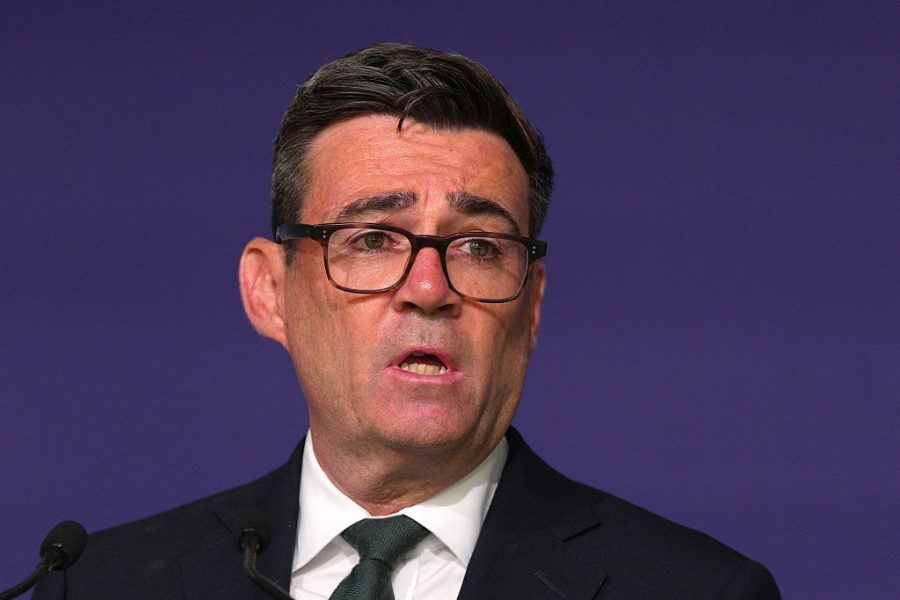
How hard is this autumn going to be? This week’s economic figures suggest pretty hard: job losses, higher-than-expected borrowing, and higher inflation (more from Michael Simmons on this here). But anyone following Andy Burnham around might be forgiven for thinking that the big issues in this country are bus journeys and fly tipping.
Granted, the first is important and the latter the kind of thing that really makes people feel their local areas are out of control, which then feeds into a wider sense of political failure. The Prime Minister has also been talking further about his pledge to end rough sleeping, which seems both as expensive and unlikely as his promise to fix the social care crisis. All of this, though, is largely filling space before the Budget on 28 October, where the Prime Minister and his Chancellor John Healey will have to talk about the trade-offs necessitated by the problems listed at the top of this blog.
Those trade-offs aren’t much different to the ones Starmer and Reeves had to consider
Those trade-offs aren’t much different to the ones Keir Starmer and Rachel Reeves had to consider when they were in office. But this time around Burnham has chosen to spend the summer talking about all manner of things rather than banging on constantly about how hard the autumn is going to be. It doesn’t mean the autumn is going to be any easier. But what this new iteration of the Labour government wants to avoid is the kind of doom talk that businesses complained back in 2024 was actually damaging their confidence and dragging the economy down.
Yesterday Burnham held a virtual ‘growth situation room’ meeting with ministers including Healey, First Secretary of State Louise Haigh and Housing Secretary Angela Rayner. Healey told the meeting that ‘we’re a government that is just getting on with getting things done and that includes on growth’. Until the autumn, that is, when the government will have to stop and spell out which taxes are going to have to rise in order to fund the commitments made so far – and accept the knock-on impact that this will have on growth.






Comments