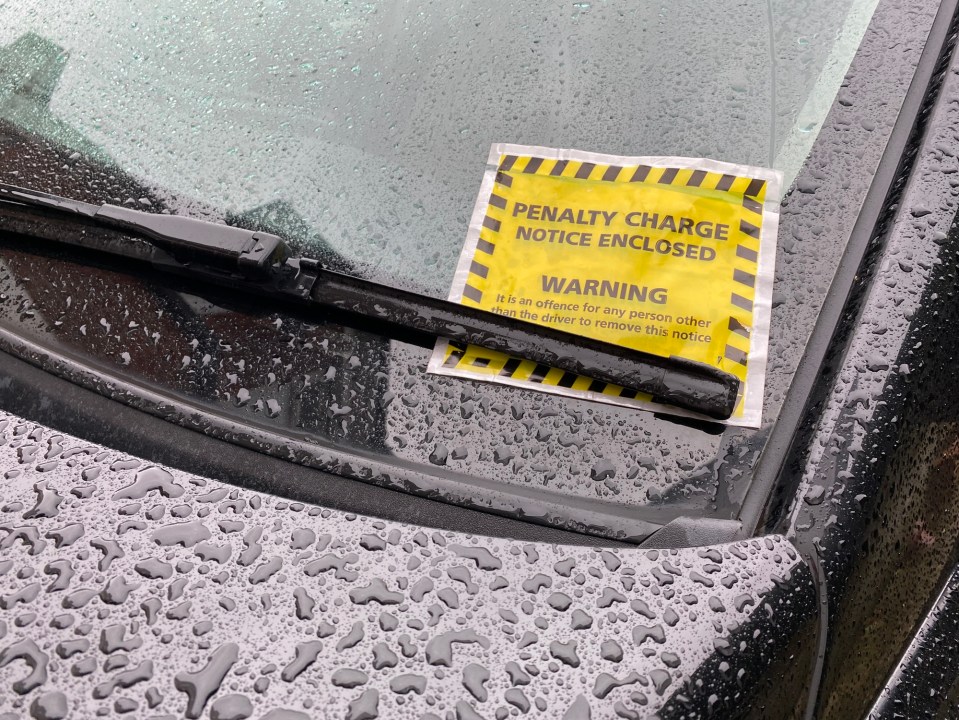
I live on a road where parking is forbidden. This has not stopped any of us from needing cars. Instead, we crowd each evening into the small cul-de-sac opposite, where ten vehicles can park legally, and 15 can park optimistically. The sign is unambiguous: ‘Three hours. No return within two.’
Most days I manage to comply. Some days I even set an alarm. The cruelty is that nothing happens for ages. Weeks pass. Months. You begin to suspect you have cracked the system or even that the sign is entirely ornamental, the sort of bluff recognisable to anyone familiar with the steady arrival of ‘Final’ notices.
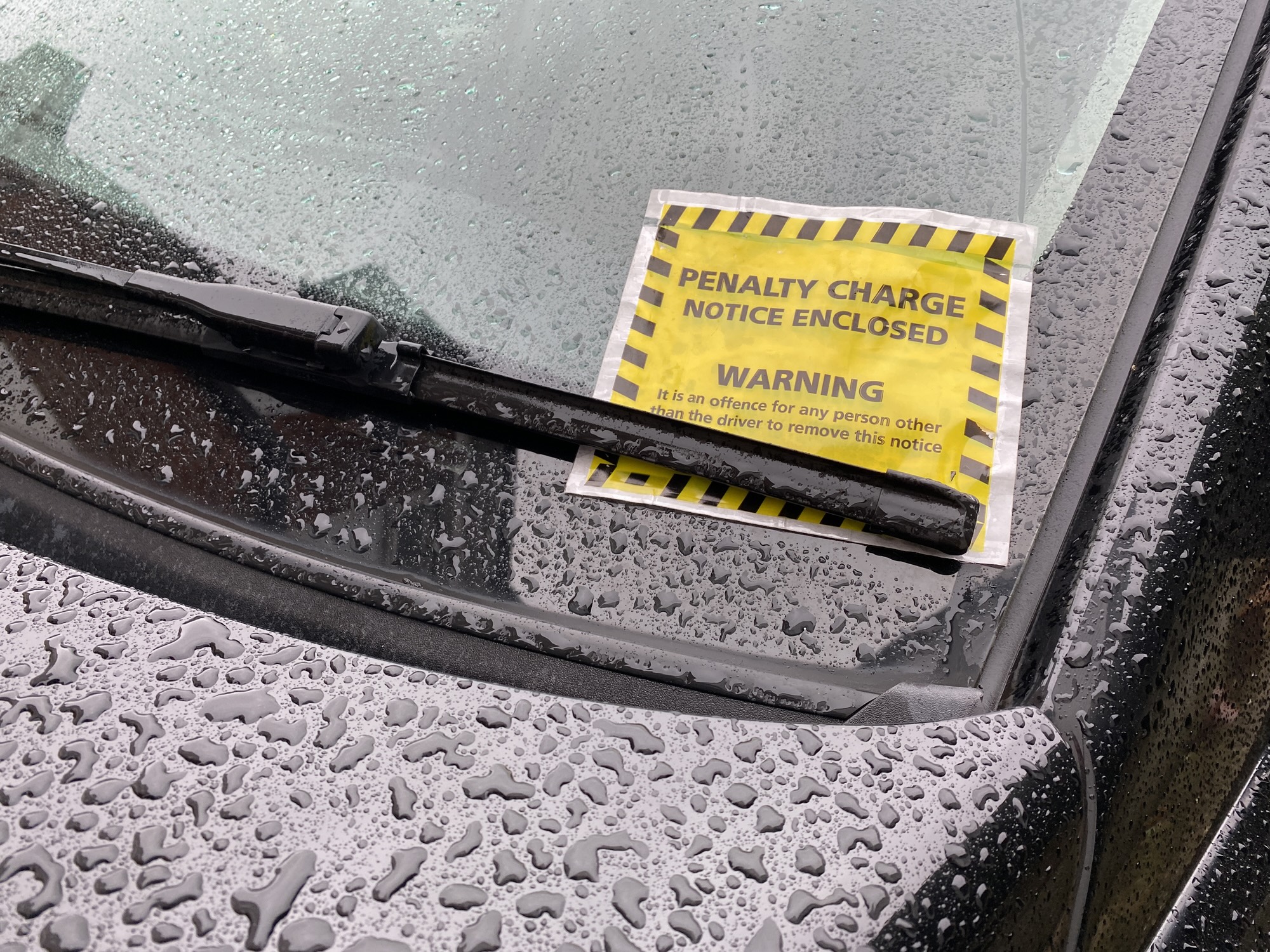
Then, without warning, that little yellow envelope appears on your windscreen. The wardens have descended like a pack of seagulls on an unattended tray of chips.
And really, when I stop to think about it, there is something almost touching about this. The authorities, so totally absent from our lives in almost every other respect, remain rigorously attentive to parking infractions. The police may not be interested in the break-in at your flat. The helpline may be ‘experiencing unusually high call volumes at the moment’. The council may never quite call you back. But they really do mean it when it comes to that three-hour limit.
Now consider a care worker who parks outside a client’s flat in a street with a three-hour limit from 9.00 a.m. She arrives at 8.40 a.m. She plans to move the car before midday. A visit overruns. At 12.20 p.m. a warden passes. A £70 penalty notice is issued. She earns around £12 an hour. She has two children. Rent is due. She does not respond within the 14-day discount window. The charge doubles. A reminder follows. Then a charge certificate. The sum increases again. You can no longer appeal at this stage. If it remains unpaid, the debt is registered and passed to enforcement agents, who add statutory fees of their own. Is it naive to wonder why we have built a system that extracts most reliably from those who have the least to give?
Within three months she is paying £40 a month under a payment plan for a trivial parking offence incurred while doing her job. During a cost-of-living crisis, the gap between irritation and instability narrows quickly. Energy bills rise. Rent goes up. The weekly shop creeps up. A flat penalty assumes there is slack somewhere in the system. For some people, £70 is irritating. For others, it is the week’s food budget. Or the electricity. Or the direct debit that was meant to clear on Thursday.
Miss the payment and the bank adds a fee. The fee nudges something else out of place. Nothing dramatic. Just a series of small administrative consequences that compound. The difference between inconvenience and crisis is often simply a matter of timing. A fixed fine treats everyone equally. It does not affect everyone equally.
Welcome to Britain. Your GP does not know who you are. The bus station resembles a Cold War border crossing.
The letters arrive in stages, growing firmer and, oddly, more sympathetic. ‘If you are experiencing financial difficulty…’; ‘If you are vulnerable…’; ‘Please contact our helpline…’ The same faceless system that places you onto the escalator of increasing charges also inserts the disingenuous boilerplate about hardship. It has the air of the bored vet putting on a show of soothing the family pet as the final injection is administered.
Yes, the blast furnaces may have gone cold in Britain, but the ticket printers are running hot. In 2024-25, London boroughs issued more than 9.4 million penalty charge notices for parking, bus lane and moving-traffic contraventions. English councils outside the capital issued five million more. That is more than 14 million local authority penalties in a single year, roughly 40,000 a day. Private parking companies issued a further 14.4 million tickets in the 12 months to March 2025 – a record level.
Appeals offer little relief. In London, fewer than 1 per cent of penalty notices are formally challenged, and only around 40 to 50 per cent of those that reach adjudication succeed. English councils collect roughly £2.3 billion a year from parking charges and penalties. HM Courts & Tribunals Service imposes hundreds of millions of pounds more annually in fines and fixed penalties, with statutory enforcement fees added when payments are missed. Council tax arrears stand at roughly £8 billion, much of it feeding into the same recovery system.
The UK bailiff sector is now a substantial part of the enforcement economy. In 2024 there were around eight million cases, representing debts of roughly £5.2 billion. Well over half of enforcement cases are thought to involve unpaid road traffic and parking penalties, including congestion charges, Ultra Low Emission Zone (Ulez) fines and bus lane contraventions. One of the country’s largest enforcement contractors, Marston Holdings, has more than two million live enforcement cases on its books, according to Companies House filings. On its website, the company boasts of recovering more than £850 million each year, ‘on behalf of the taxpayer’.
Welcome to Britain. Your GP does not know who you are. The helpline suggests the website. The bus station resembles a Cold War border crossing. The train is cancelled for lack of crew. The flood defence system fails in the one place that floods annually. The pothole is furnished with a warning sign and left to mature.
But the parking system knows exactly where you were at 2.37 p.m. last Tuesday. After the tone, enter your reference number, followed by the hash key.




Comments