Would you inject yourself with an unapproved drug you could only buy off a sketchy website? Most people instinctively would say no. Yet, throw in a debilitating chronic condition or a crippling insecurity, and the promise of miraculous effects, and the question becomes a lot harder. Such is the quandary faced by those considering taking peptides, the hottest health trend in Silicon Valley, but a trend soon to leach into the mainstream.

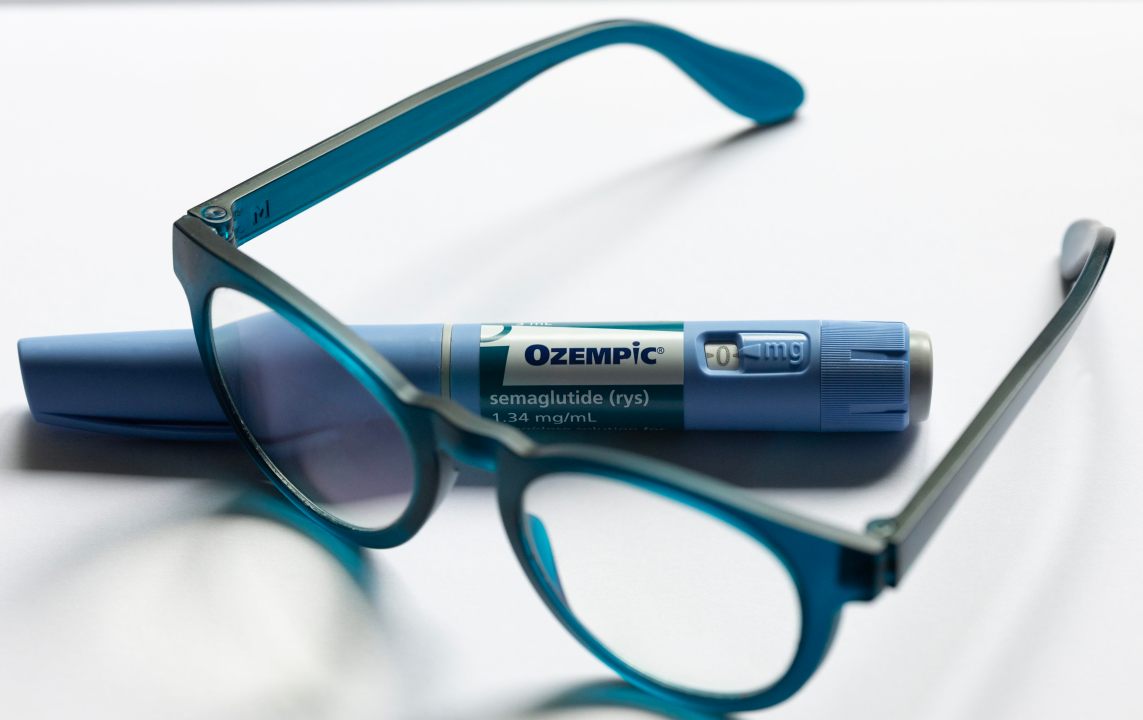
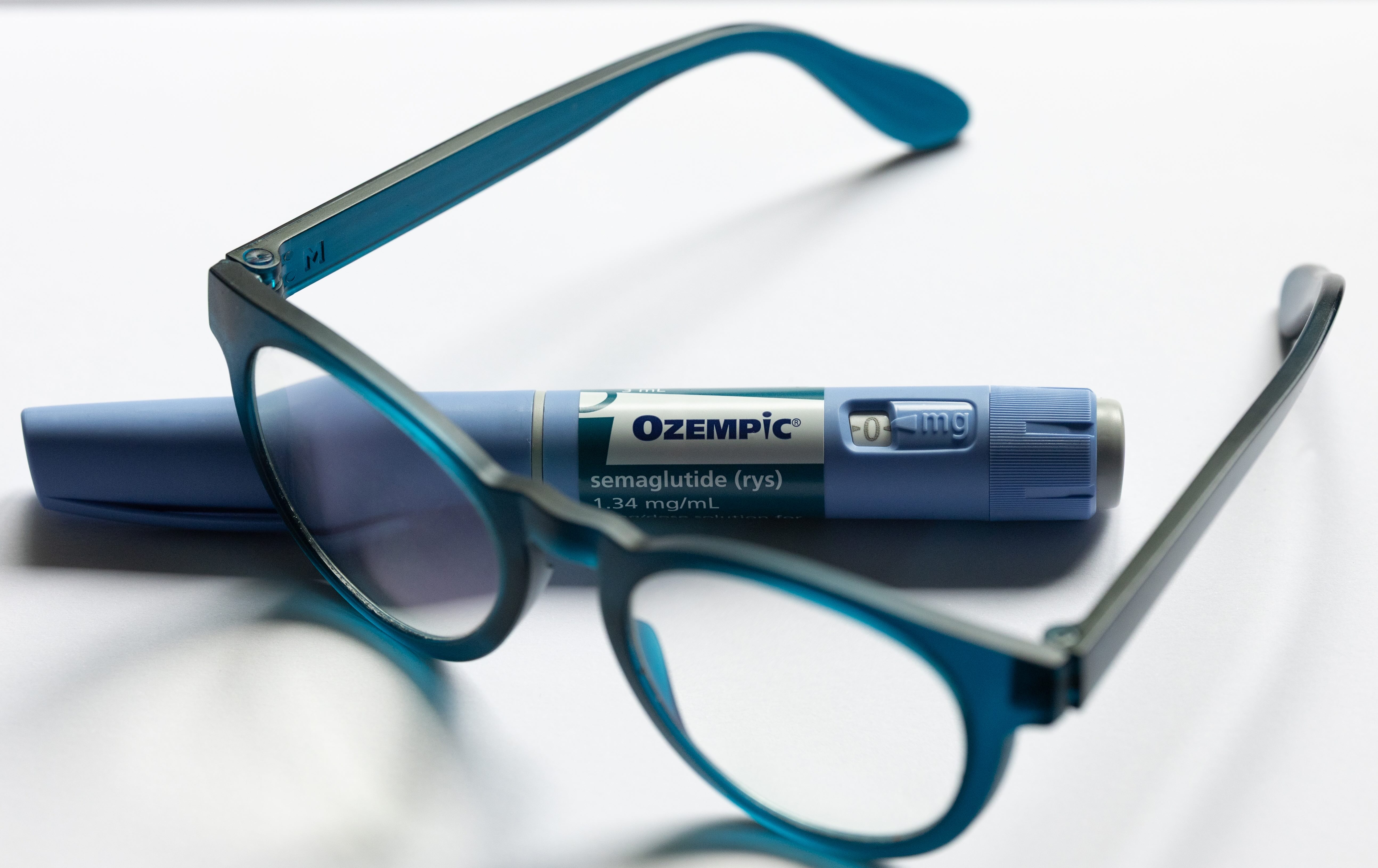
Peptides – mainly produced in China – are short chains of amino acids that carry out a range of biological processes, from modulating hormones to repairing tissue damage. You know one of them already – GLP–1 (Glucagon-like peptide-1), marketed as Ozempic or Mounjaro. Yet others are in the ascendant – all with names like something out of a William Gibson novel – like BPC-157, which can apparently accelerate joint healing, Pinealon for the deepest of sleeps, or Melanotan-II, which darkens your skin.
Such drugs are usually the preserve of horror films or science fiction. Nature isn’t known to provide miracle cures, and medically there tends to be no free lunch. Our culture is infused with the fear of the vial of mysterious bubbling liquid, from Jekyll and Hyde to 2024 body horror The Substance. For some, Ozempic summons up images of the occult. Sure, you end up skinny, but doesn’t the accompanying hollowness and gauntness bespeak some Mephistophelian pact? Yet medical treatment is always a series of trade-offs, and those making the trade believe they have the right to do so. When your will to live depends upon being active, you’ll readily take a little risk if it means you can run without hobbling every few steps.
The caution against peptides tends towards the ‘we don’t know’ argument, while doctors cite risks of allergic reactions or expedited tumour growth for those with nascent cancers. Yet for many peptide-takers – most of whom are either ‘biohackers’ attempting to reach their peak physical potential, or those desperate enough to try anything – this tail risk is acceptable, and ‘we don’t know the long-term consequences’ isn’t a sufficient rebuttal.
Bypassing the medical establishment is, after all, not a new phenomenon. Those who do so tend to be quickly villainised and cracked down upon – most notably Ron Woodroof’s struggle-turned-biopic Dallas Buyers Club for non-FDA approved AIDS medication in the 1980s – in order to de-legitimise and discourage future attempts. In recent years this tactic has backfired, with bad faith misrepresentations deepening the mistrust felt by both sides. The schism was most evident during Covid, where one toted treatment, Ivermectin, was scorned as ‘horse dewormer’ despite being on the WHO’s ‘Model List of Essential Medicine’.
Such drugs are usually the preserve of horror films or science fiction
Those of a more sceptical persuasion are quick to accuse big pharma of colluding to hide peptides’ potential. After all, if you fix someone’s chronic pain, that’s one fewer client for a 20-year brand-name prescription. Better to keep them sick and dependent on your own products. Many peptides have also been around for thirty years, ageing them out of patent – there’s minimal interest in promoting something that can be made generically. Yet it wouldn’t be surprising if within a year or so the pharmaceutical companies change their tune, shortly after tweaking their formula to make it patentable, while adding a palatable brand name. In the meantime, it’s not hard to tarnish the prominent users – often viral on TikTok – as idiots or charlatans, particularly when their other promotions from their Dubai apartment include teeth-whitening, crypto, and protein powder.
Tarring all early adopters is shortsighted though, given most novel treatments come from the fringes. Using AI for ‘in silico’ (computer simulation rather than biological study) drug design has put the medical establishment further out of step. When the average drug development pipeline still takes ten to 15 years (up to 30 years for gene therapy), users’ patience is unsurprising. Medical doctrine often lags significantly – when you last sprained your ankle, were you recommended the RICE protocol? The inventor of that recanted his recommendation as counter-productive way back in 2014. When I mentioned using Nanohydroxyapatite (a tested biocompatible fluoride alternative growing in popularity) to my dentist, they were horrified and begged me to use fluoride instead.
With malpractice cases and anecdotes of negligence more widely publicised, the individual doctor’s opinion is no longer gospel for much of the terminally online. This isn’t limited to hospitals – private equity buyouts of vet and dental practices have seen unnecessary treatments pushed more and more, meaning the options suggested aren’t always in your best interest. While the patient with a doctorate from WikiMD is the scourge of the medical profession, there is now far less reticence about getting a second opinion – particularly since Martha’s Rule was introduced, allowing urgent independent clinical reviews when patients and their families feel their concerns are going unheard.
Yet even if every doctor reached a consensus that peptides were an unnecessary risk, people would still take them. The desire to be attractive, uninjured, and in shape now trumps all. Who cares if the years at your most decrepit are shaved off the end of your life? Those taking peptides also tend to have regular blood tests: a practice that until recently was something you’d only get done on a doctor’s orders. When you can track any health changes cheaply and regularly, waiting years for medical approval (and a 20-fold price increase) feels like the fool’s option. The attitude remains that just because the medical establishment is slow on the uptake, it doesn’t mean you have to suffer. By the time anything goes wrong, there’ll probably be a new drug to solve your issue.



Comments