The only thing misery loves more than company is a backbeat. While capturing pure happiness surely remains the Holy Grail of any artistic endeavour, the blues is the bedrock of popular music for a reason. Sure enough, as we ready for the clocks to go forward, two albums arrive which could hardly be said to be full of the joys of spring, although they approach personal crisis – and catharsis – in very different ways.
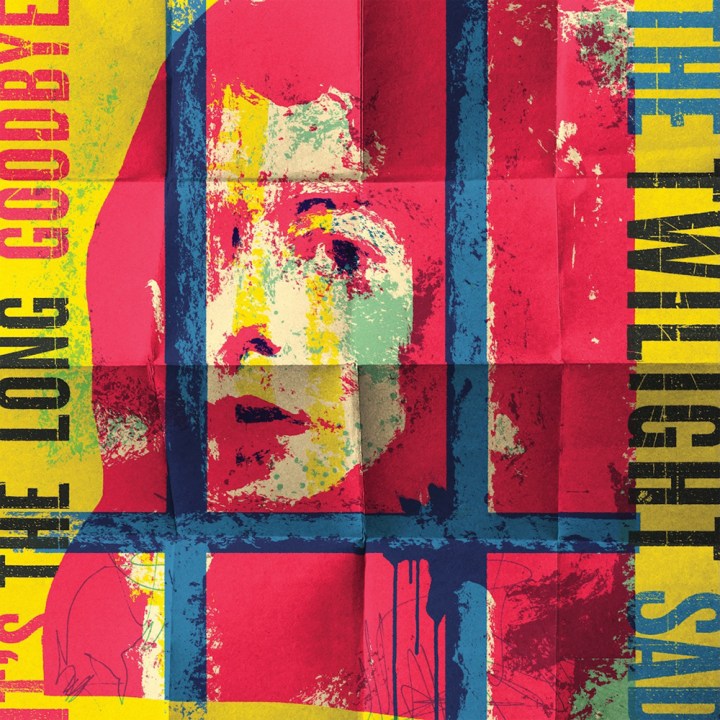
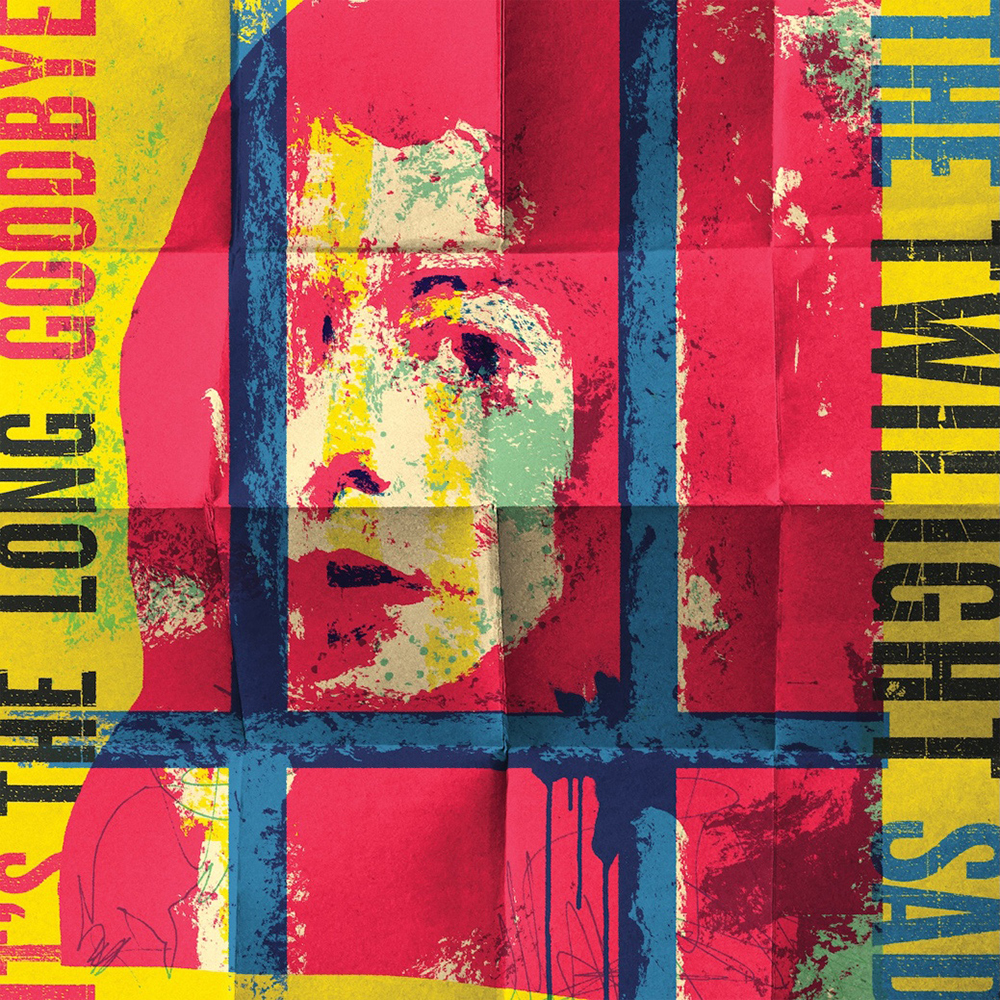
It’s The Long Goodbye, the sixth album by Scottish indie-rock band the Twilight Sad, is their first in seven years. During that hiatus lead singer and lyricist James Graham was dealing with his mother’s decline and eventual demise from early onset dementia, while also becoming a father. Eventually, the toll on his health caused him to cancel the band’s tour supporting the Cure in South America and seek medical help.
Dazzling sonic details and ingenious shifts in mood and texture make Girlfriend almost indecently enjoyable
The songs on the album document this time, though it must be said that the joys of new parenthood are significantly outpunched by wave upon wave of documented trauma. ‘We’re dealing with the dark again, and this time we’ll lose,’ Graham sings on ‘Attempt A Crash Landing – Theme’. The Twilight Sad have always been an intense band, but here Graham and his partner in music Andy MacFarlane, peer hard into the void.
The Cure is a useful reference point, and not just because Robert Smith plays guitar and keys on three tracks. Smith offered the band advice on demos, song arrangements and production – and it shows. ‘Get Away From It All’ and ‘Dead Flowers’ recall the Cure at their most punishingly bleak, on albums such as Pornography and the recent Songs Of A Lost World. The rhythms are martial, while the bass – played by auxiliary member Alex Mackay from Mogwai, another useful musical marker – often recalls the distinctive style of Smith’s bandmate, Simon Gallup.
The sound that emerges is a tightly wound thrum, epically melancholic, meditative yet muscular. This is anthemic angst with a strong Celtic undertow. Occasionally, as on ‘Waiting For The Phone Call’, a glitchy, broken rhythm breaks through. The songs are less songs and more like mantras, repeated phrases weaving in and out of the music. Graham’s voice has a folkish purity, by turns urgently conversational and red-raw. ‘Back To Fourteen’ is a terribly sad depiction of a man retreating into his teenage self, keening for his mother. ‘Is it OK to feel this way?’ he asks repeatedly during the final song, ‘TV People Still Throwing TVs At People’. It is, of course – I doubt he had much choice – but this is a brutal and unrelenting unburdening. You hope Graham feels better for it.

Grace Ives, a 30-year-old New Yorker whose primary mode of musical expression comes via the Roland MC-505 synth, chooses another route to relief on her third album, Girlfriend. Ives’s 2022 breakout album Janky Star was followed by three years of ‘true rock bottom’, before a necessary switch to sobriety. Some of that story is told on Girlfriend – one song is called ‘Drink Up’ – but it is possible to be blissfully unaware of the context and still appreciate its considerable pleasures.
Consisting of 40 minutes of sharp, smart, drama-filled synth-pop, scored with dazzling sonic details and ingenious shifts in mood and texture, Girlfriend is almost indecently enjoyable. The music draws from a full palette of beats and sounds, from the thick Cubano groove of ‘Neither You Nor I’ to the big growling guitars on ‘What If’, while retaining an appealingly home-made quality. On the folksy, waltz-time ‘Garden’, Ives sounds as though she is singing in the room next door and someone recorded the results through the wall on their phone. Her voice is characterful and appealingly muzzy, old-school country-soul flourishes rubbing against something a little more experimental; the languorous ‘mmm’ at the beginning of ‘Avalanche’ echoes ‘The Sensual World’ by Kate Bush.
In a pop culture dogged by self-consciousness, Ives’s playful, fuzzy, artfully offhand approach to making music is refreshing. Throughout, the sticky business of hearing someone confronting and attempting to overcome their struggles most often plays out as a kind of bubbling euphoria, the sound of an artist vaulting over her misery with such elan her feet barely touch the ground.


Comments