
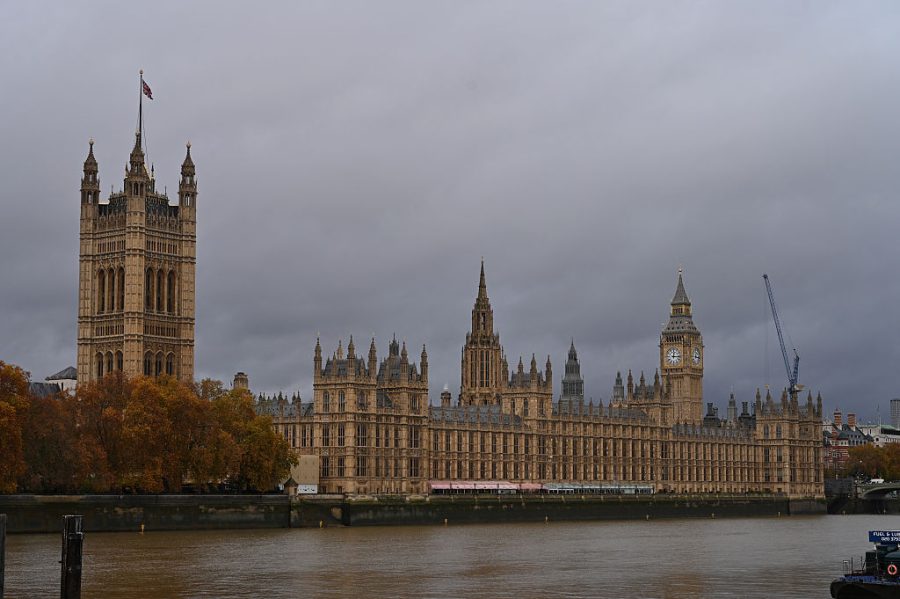
Is there a building in Britain more important than the Palace of Westminster? Depending on who you listen to today, parliament is so important that MPs and peers really must agree to an expensive restoration that would see the Palace being emptied and rebuilt either in stages or all at once – or is it so important that MPs and peers should resist this dangerous plan with all their might?
The building is crumbling, at risk of a catastrophic and preventable fire, and has neither proper sanitation nor adequate access. Everyone accepts those facts, but what MPs cannot agree on is what to do about them. Today the restoration and renewal client board, the body trying to work out how to fix the building and make it fit for the future, has published a set of options on restoration. They include a full decant of both Houses from 2032, with MPs and peers leaving the Palace for more than 20 years while works were carried out, or a partial decant in which the House of Lords would leave the estate and MPs would move into the upper chamber while theirs was being fixed. The latter would be significantly more expensive, at £39 billion.
MPs in particular may not want to vote for anything that is seen to cost billions of pounds
Once again, the committee has had to argue the case for any kind of restoration, writing in its report that ‘continuing in the same way is unsustainable’ and would lead to an ‘expensive managed decline of the Palace’. That managed decline could cost £70 million a year, according to the report. But the reason this point about the risks of doing nothing still has to be made is that there is still a chance MPs in particular will not want to vote for anything that is seen to cost billions of pounds when British public services are cash-strapped and families are struggling with the cost of living.
Of course stopping the restoration from becoming an over-the-top waste of money where every MP gets a gilded toilet is something members should be worried about, but their hesitation about the cost is a symptom of a wider problem in politics. That problem is that even politicians aren’t prepared to defend parliament or politics as a pursuit, preferring instead to lean into the idea that they are a hated waste of money and that everything would be better if we ‘took the politics’ out of it.
MPs talk far more about how much the public hates their political class than the public does, and they already prefer to reinforce that idea rather than defend themselves against it. Parliament is an extension of that: instead of being the place where things get done, lives changed and decisions taken on behalf of everyone else as they get about with their lives, it is an expensive and embarrassing institution that politicians should apologise for trying to preserve. They should be its fiercest advocates, not so frightened of their own shadows that they can’t take the decisions that would protect it.
Of course, there are MPs who are worried that in a full decant, they would never be able to get back in, that once the engineers and architects were let loose in the building, they’d decide it wasn’t safe and parliament would end up in some depressing new build circular chamber. Perhaps, but then again, they might find themselves in one anyway if the building burns down.


Comments