
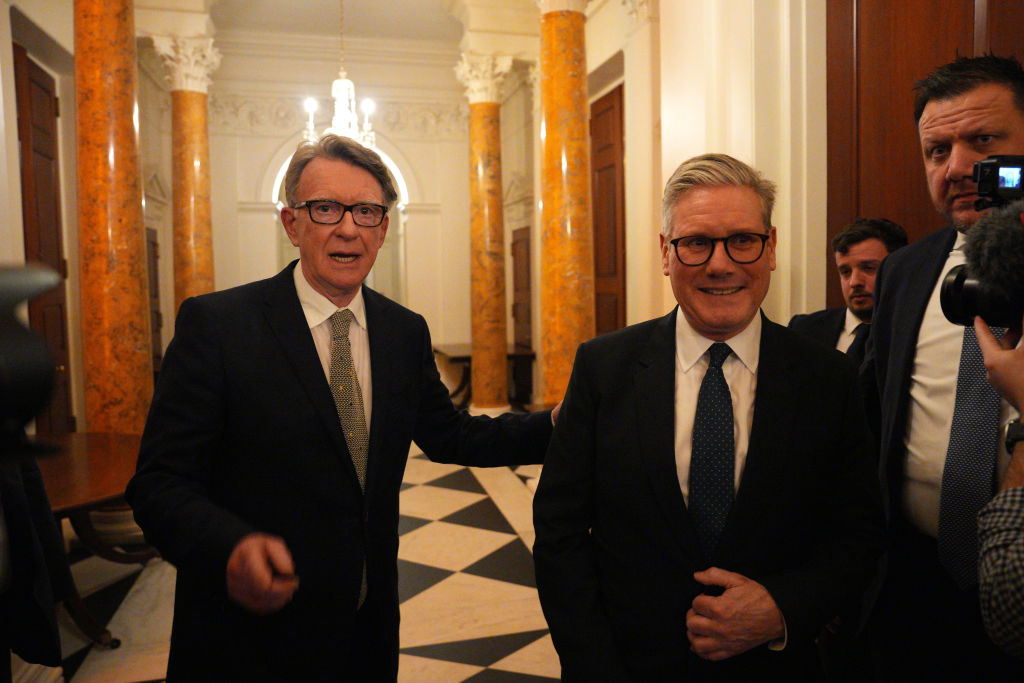
Prime Minister’s Questions today highlighted Keir Starmer’s weakness, and not just when it comes to Peter Mandelson. The Prime Minister made clear in his first answer to Kemi Badenoch that ‘Mandelson betrayed our country, our parliament and my party’. He added: ‘He lied repeatedly to my team when asked about his relationship with Epstein before and during his tenure as ambassador. I regret appointing him. If I knew then what I know now, he would never have been anywhere near government.’ He then listed the actions he had taken to strip Mandelson of his title, to remove him from the Privy council, and to refer material to the Metropolitan Police.
Badenoch replied that she had asked Starmer a very specific question, and repeated it: whether he knew that Mandelson had continued his friendship with Epstein. She pointed out that in January 2024, an FT journalist had informed Starmer that Mandelson had stayed in the financier’s house even after his conviction for child prostitution. She asked: ‘Did the Prime Minister conveniently forget this fact, or did he decide it was a risk worth taking?’
It was a good question, and received a poor answer. Starmer immediately sought refuge in process and due diligence, going a lengthy answer which revealed nothing. He claimed that ‘what was not known was the depth, the sheer depth and the extent of the relationship’. Badenoch rightly pulled him up on this, saying he could not hide behind process, and that he did know the answer anyway, as ‘it was on Google’. Could the Prime Minister tell the House whether the official security vetting he received mentioned Mandelson’s ‘ongoing relationship with the paedophile Jeffrey Epstein’.
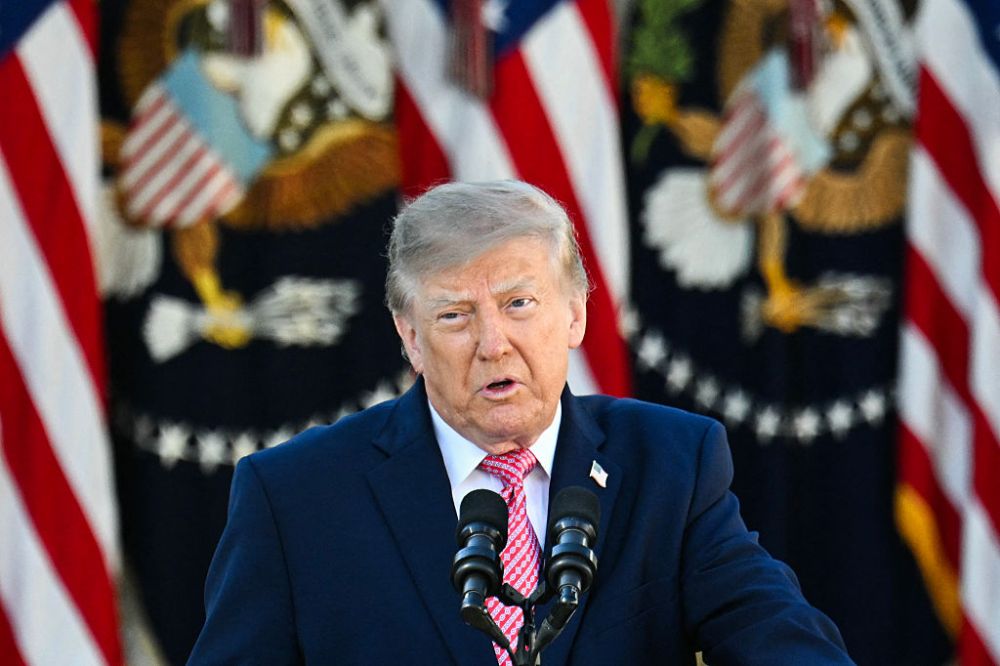
The Prime Minister replied that it did, and ‘as a result, various questions were put to him’. He insisted that he intended to disclose to the House all of the documentation ‘so it will see for itself the extent to which time and time again Mandelson completely misrepresented the extent of his relationship’ with Epstein and how he had ‘lied throughout the process’. This, Badenoch said, was a ‘shocking’ answer. She asked whether Labour MPs who voted against the government today would lose the party whip, and Starmer responded that when he had tabled humble address motions in opposition, he had always included exemptions for national security. This is another one of the Prime Minister’s bad habits: he continues to see himself as occupying a high moral and professional ground compared to the Tories, which means he frequently lectures Badenoch and others on how to do their jobs. This stance makes less and less sense the more Starmer struggles to do his own job and the more he ends up having to answer questions about scandals rather than the business of government.
Badenoch put her finger on it, telling the Chamber that the national security problem was the appointment of Mandelson in the first place. She demanded that the Intelligence and Security Committee decide what information be released, something Starmer rejected. He argued that the Cabinet Secretary would decide what should be released, and then ended up going down a blind alley in his next answer by defending the integrity of the Cabinet Secretary rather than focusing on what he had claimed was his priority at the start of the session: the victims.
Then he ended up having to give his full backing to Morgan McSweeney, praising him as the figure who helped him change the Labour party and bring it back into government. It is always unusual when an aide is named and defended at Prime Minister’s Questions, still more so when a man of McSweeney’s achievements does not receive a roar of support from across the Labour backbenches.
There was fortunately no roar of support for Ed Davey’s demand for a full public inquiry into Epstein’s links to the British establishment – a call based not on the idea that public inquiries are timely ways of finding out what happened, or of stopping similar scandals from happening again, but on the fact that these expensive accountability mechanisms have become a symbol of taking something seriously in British politics. As with many of Starmer’s answers today, it is perfectly possible to make a lot of noise about taking something seriously while in fact doing very little.




Comments