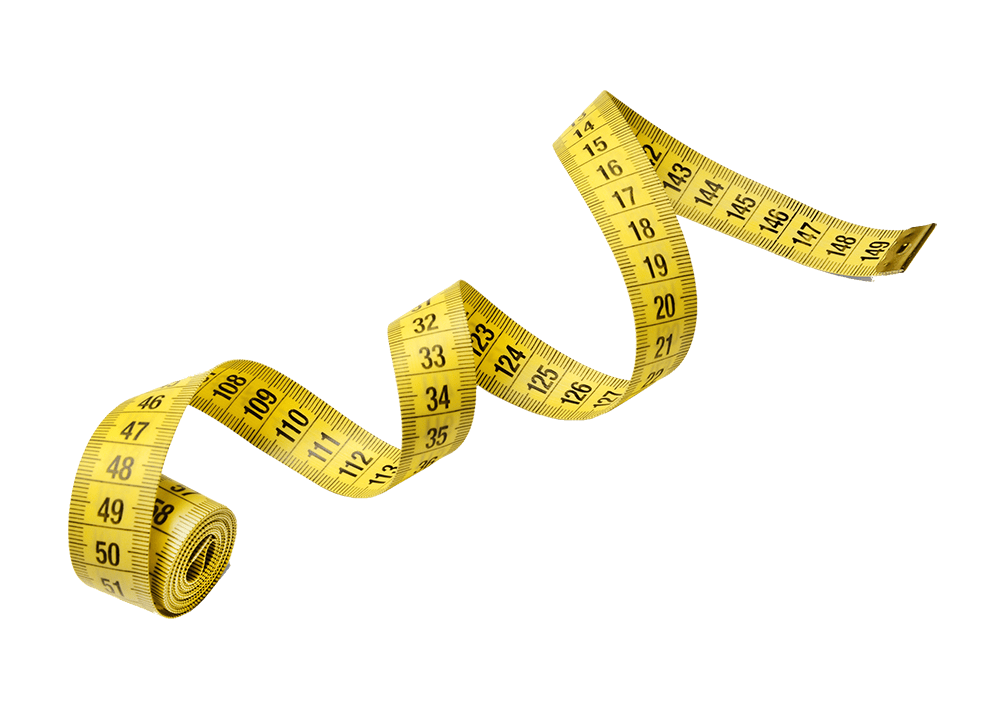
Happy 150th to the inch, the foot and the yard. Or at least to their official versions: the brass plaque that defines them was unveiled on the north side of Trafalgar Square in 1876, the Commission on Standards choosing a spot ‘close under the retaining wall’ which though ‘perfectly open to the public… cannot interfere with any public path’. This allowed workmen, tailors and others to check their tapes and rods without getting in people’s way. As recently as the 1970s, engineering students would make their way to the square to keep themselves honest.
The plaque was made by the firm of Troughton & Simms, its spaces marked ‘one foot’, ‘two feet’ and ‘imperial yard’. These were the measurements that built an empire, which explains Reform’s recent promise to fully relegalise the old measurements. Tucked in the corner is the big guns’ playful nephew, the inch. A separate plaque states that the measurements are accurate ‘at 62 degrees Fahrenheit’. Global warming has accelerated since then, but surely even this scorcher of a summer wouldn’t have thrown your tape measure out too much?

The precision was welcome. An inch, for instance, had been defined in 1324 as the length of ‘three grains of barley, dry and round, placed end to end, lengthwise’. Now that would depend on the summer you’d just had. In later centuries an inch was the width of a man’s thumb, which is why the words for ‘inch’ and ‘thumb’ are the same in many languages, from Portuguese to Swedish. ‘Inch’ itself is from the Latin uncia, meaning one-twelfth. Hence inches in a foot, and troy ounces in a troy pound, still used for precious metals.
The foot was similarly tricky, derived as it was from said part of the body. One definition in a German book of 1535 suggested stopping 16 men as they left church, ‘tall ones and small ones’, making them put their left feet in a line, measuring it and dividing by 16. Meanwhile the yard was established by Henry I as the length of his outstretched arm, starting at his nose.
Trafalgar Square doesn’t content itself with the shorter lengths. Branching out from the central plaque are small brass plates, at intervals of ten feet up to 100. There’s also a special plate at 66 feet, which was the length of a ‘chain’, as used for measuring farmland. This was why cricket’s early authorities picked 22 yards for their pitch, and it hasn’t changed since. Football also bucks the trend for metrification – for example a goal is still eight feet high by eight yards wide. Other refuseniks include Britain’s road signs and pubs: your ‘layby in 150 yards’ and beer by the pint are both enshrined in the Units of Measurement Regulations 1995. Perhaps Reform is worrying too much.
There are similar plaques at the City of London’s Guildhall and the Greenwich Observatory. Fans of the Trafalgar Square one were worried in 2002, when pedestrianisation of the north side commenced. A new set of steps was to be built right over the Troughton & Simms masterpiece. Thankfully, it was reset a few yards to the east. One fan who stopped to enquire during the works introduced himself, on hearing the good news, as Mr Simms, grandson of the man who’d made the plaque in the first place.





Comments