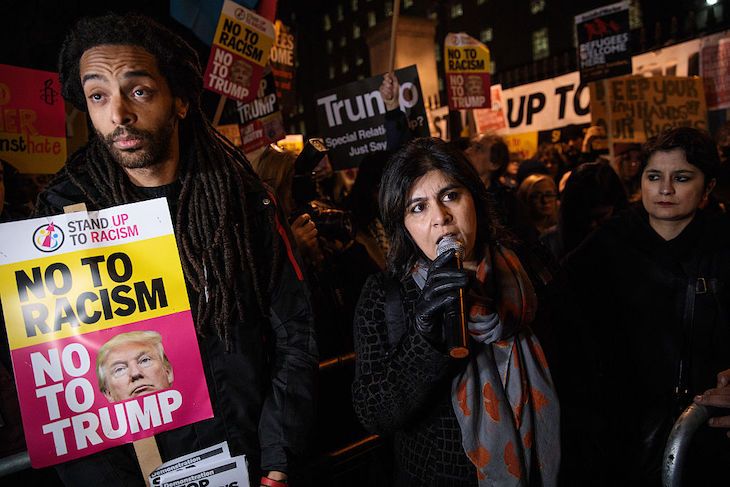
Has the government had a last-minute wobble on its “anti-Muslim hostility” tsar? Last Tuesday, Muslim groups meeting Andy Burnham and Angela Rayner in No. 10 were promised that the person they’d chosen for the job would be announced by the end of that week. But it wasn’t. I’m told some concern was caused by The Spectator’s piece the following day which listed the appalling views of the apparent frontrunner, Sayeeda Warsi, and which pointed out the certainty of her turning on the Labour government just as she turned on her former Tory colleagues.
What due diligence was conducted if it had to be left to The Spectator to do it?
Warsi is so bad that I did wonder if she was being briefed out to make another choice look better by comparison. But no, apparently there has been political momentum behind her as a direct ministerial appointment.
After the Mandelson affair, the Government issued new guidance about direct ministerial appointments, which for “Tier 1” appointments (those where either the job or the person is likely to be controversial) require “appropriate open-source due diligence,” with the person “asked to complete a formal declaration of interests.” A senior civil servant must then conduct a “pre-appointment interview to discuss any conflicts of interest and management thereof, and to assess any other reputational risks to the government or the individual;” and a full assessment must be given to ministers by the Permanent Secretary summarising any risks which may arise, including any potential conflicts of interest. No. 10 also has to be consulted.
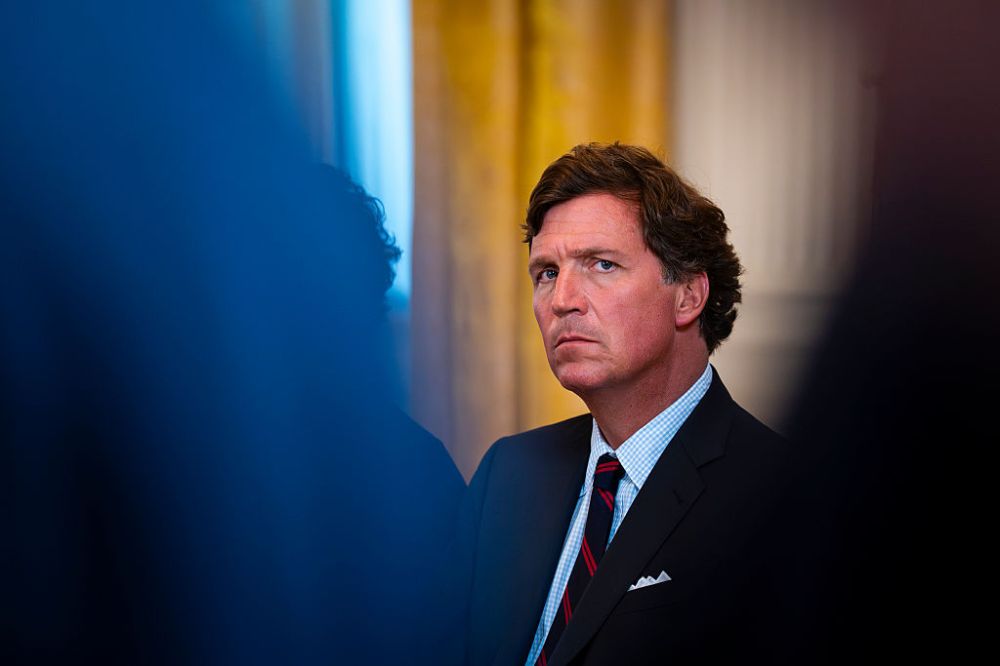
Mandelson was not the only person given a sensitive job before they were fully vetted. As this magazine reported last month, the national security adviser, Jonathan Powell, wasn’t vetted either, and the government is still being rather unclear about whether he has even received unqualified clearance now.
As we argued when the “anti-Muslim hostility” definition and tsar were announced, it would be better to have neither. They are two-tier policy in its purest form. Hatred and discrimination against Muslims are emphatically wrong – but are already illegal. The only purpose of an additional definition and tsar must be to create special protections for one faith which do not apply to those of other faiths or none.
This will not alleviate Muslim discontent – it will stoke it, creating new opportunities for grievance politics, challenge and attack in every institution and workplace. It will strengthen divisive extremists on all sides – not just the populist right, but also the growing Muslim populist challenge to mainstream parties. That, too, will be harmful to community cohesion.
In short, this risks making Muslims less safe, not more. (And, yes, the May government did adopt the International Holocaust Remembrance Alliance definition of anti-Semitism. That text, though, explicitly uses language akin to that of Britain’s existing hate crime laws, which apply equally to all faiths.)
But if there is to be a tsar, the question about Warsi and all the other candidates – several of whom also have skeletons – is what due diligence was conducted if it had to be left to The Spectator to do it?




Comments