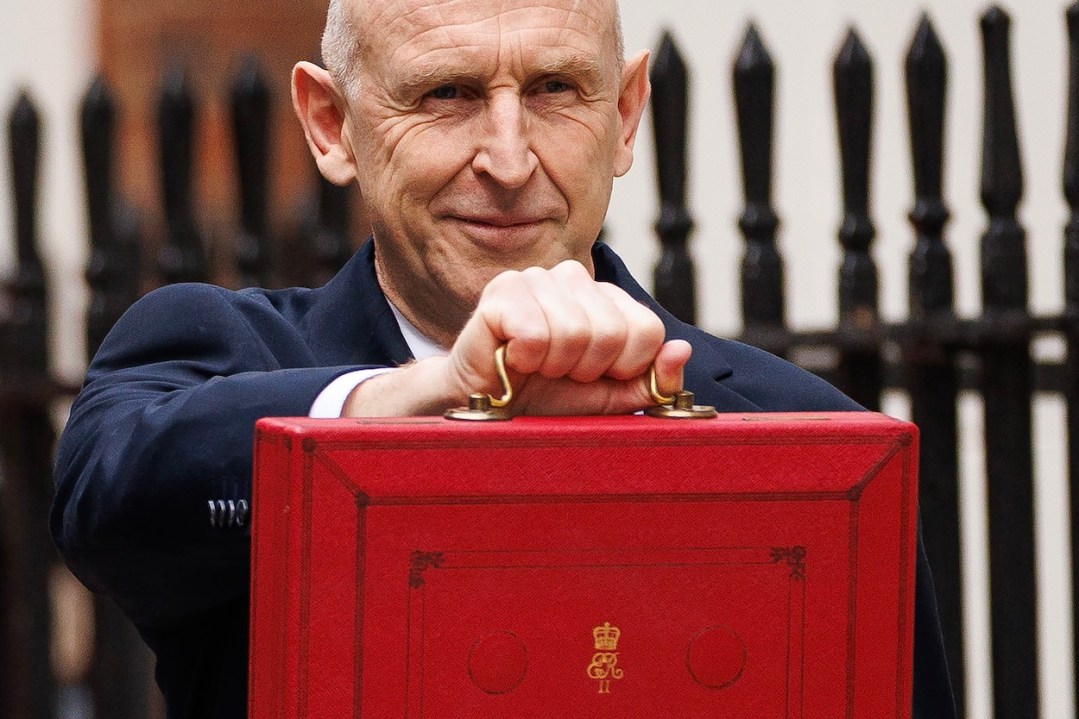
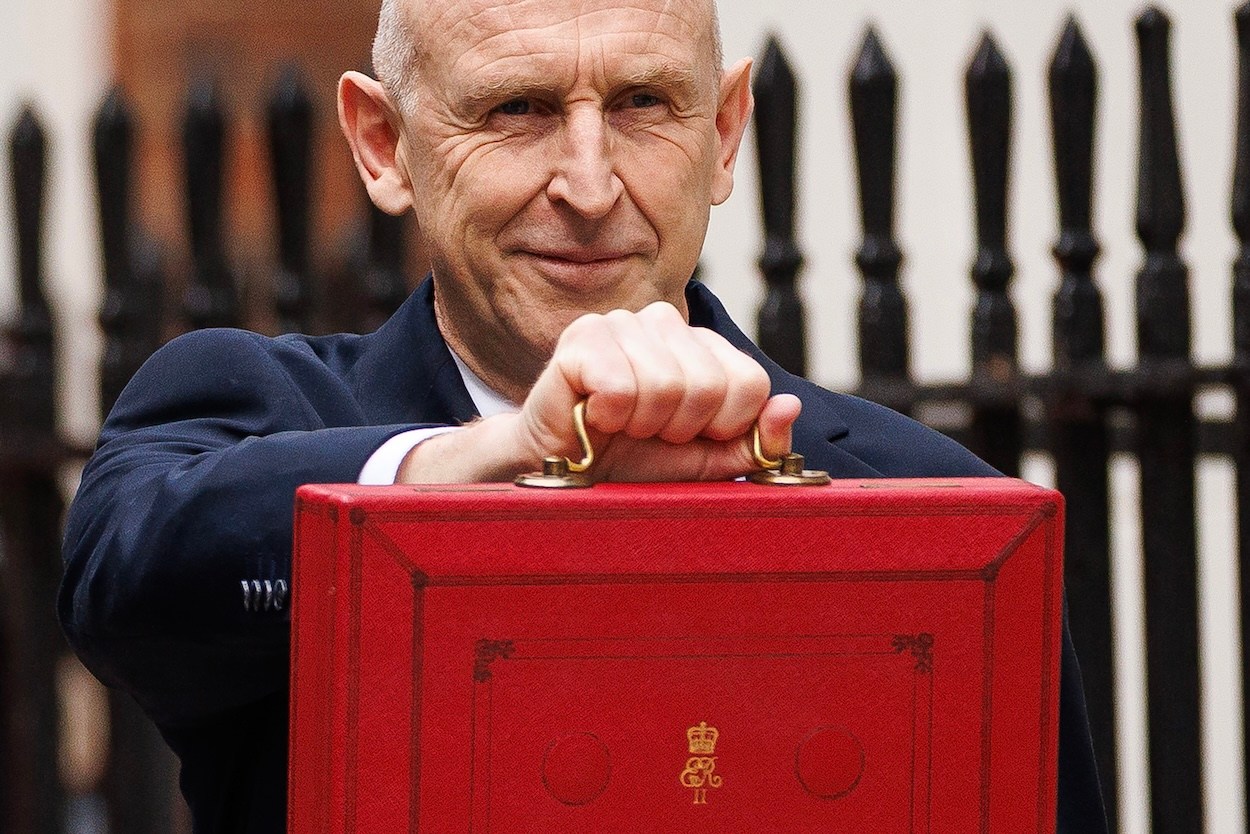
John Healey has just delivered the biggest Budget in recent history. The 98 policy measures on the government’s scorecard are more than any recent chancellor has unveiled before. Trouble is, in cash terms, they add up to a whole lot of nothing.
The 98 lines on the scorecard add up to £7 billion of extra spending and £7 billion of extra tax in the final year of the forecast, making the budget about a quarter as big as either of Rachel Reeves’s. There were no big surprises.
The main retail measures were relief on energy bills with an £100 payment straight to the bank accounts of everyone in England living in properties in bands A-D. The devolved nations will get cash for equivalent schemes. A bank charge, which is supposed to be temporary, will pay for it.
But the real story is in the forecasts and the decisions Healey hasn’t made yet.
Growth next year is forecast at just 1 per cent, down from a forecast of 1.6 per cent in March. After that growth picks up, but not by game-changing amounts.
And inflation is higher, forecast to rise to almost 4 per cent again next year.
Higher interest rates cost the Treasury an extra £12 billion a year on average in debt interest. Before any new measures, borrowing was £11 billion a year higher than in March.
Healey chose to absorb some of that rather than raise taxes. His headroom against the stability rule falls from £23.6 billion to £15 billion in 2029-30. To reassure the markets, it rises to £22 billion the year after.
But markets were reassured: gilt yields fell after the speech, and, although they have since bounced back, are still lower than at the start of today.
Although the fiscal rule is met, borrowing is higher every year of the forecast than had been expected in March.
It’s not just the government’s finances that are hit – households are suffering as well, due to higher inflation. Real household disposable incomes are forecast to fall for the second year in a row this year.
By 2030-31, living standards are set to be only about 2 per cent above their pre-pandemic level, continuing a long squeeze. The OBR gives figures on average living standards growth over the last 10 years, which has fallen to under half a per cent.
The big questions are deferred until the spending review, but there are clues as to how hard it will be to find answers. Higher inflation has already cut the real-terms value of what departments have to spend – but commitments on the NHS, defence, aid, schools and special needs spending mean unprotected day-to-day spending will have to fall by 2.6 per cent a year from 2028. Keeping it flat would mean finding another £11 billion a year by 2030.
Some of that money could come from moderating the relentless rise in welfare spending. Healey said he would cut the welfare bill in a ‘Labour way’ – but he didn’t announce how. Those decisions await Alan Milburn’s report on youth unemployment and Stephen Timms’s on disability benefits. Until then, spending on health and disability benefits is forecast to rise to £120 billion in 2031 and overall welfare spending will pass £400 billion in 2030.
The question this ‘boring Budget’ leaves is: does it mean we’re close to a general election? There’s one clue that we are: the fuel duty reprieve has only been extended until July next year – before the next Budget. Surely Burnham and Healey will make another intervention of some kind between now and then. I wonder what that could be?




Comments