There is nothing more aggravating in the workplace than the suspicion that someone sitting at the next desk might be paid more than you for no obvious reason. It is taken as a given that salaries are based on skills and performance rather than something that is beyond your control, like the colour of your skin. Such an outcome turns on its head the basic principle that fair pay is applied to all, regardless of race, sexuality or gender.
Fairness, surely, is about ensuring everyone is treated equally, not least when it comes to pay. Yes, everyone, even white people
That is why it is troubling that three of Britain’s biggest charities – Cancer Research UK, the British Red Cross and now Oxfam – have been revealed to be paying their white staff less on average than minority ethnic colleagues. How and why? Is whiteness really enough in itself to mean a lower average wage packet? That way madness lies. The charity sector likes to make such a song and dance about its commitment to equality, diversity and fairness. Well, clearly fairness means something different in the world of the do-gooders. Fairness, surely, is about ensuring everyone is treated equally, not least when it comes to pay. Yes, everyone, even white people. It should not and cannot mean preferential treatment for any one group, period.
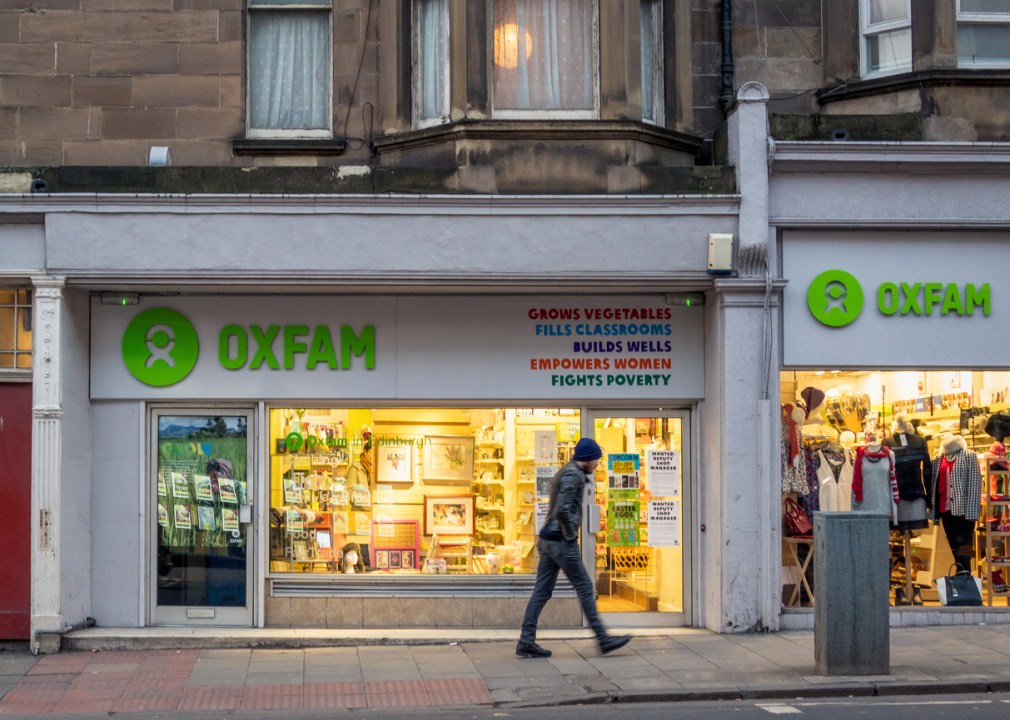
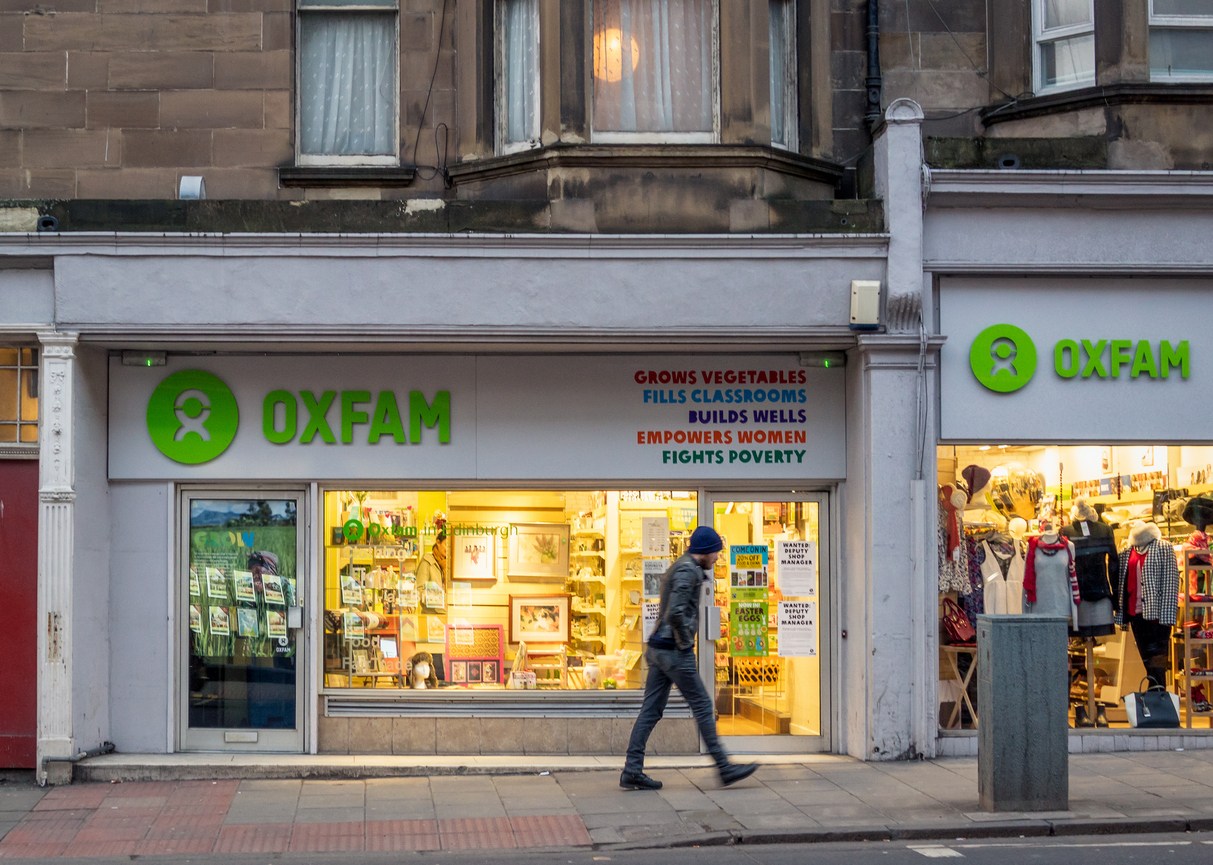
Take Oxfam. According to its annual report, the charity paid its white staff 33 per cent less than workers who described themselves as black or a person of colour last year, up from a gap of 10.4 per cent in 2024. Oxfam explains this away by saying that more of its minority ethnic staff in higher-paying roles had shared their ethnicity in workplace questionnaires compared to lower-paid white staff. It said this could have driven ‘a skew in the pay gap’ and said its data ‘cannot be seen as conclusive’. Well, yes, but plenty of people will draw the pretty obvious conclusion that white workers on average receive lower pay. Even so, none of this stopped a spokesman for Oxfam insisting that it was, ‘committed to fair, inclusive recruitment practices that value diversity and ensure everyone has the opportunity to thrive.’
The British Red Cross does no better. The charity had a pay gap of 11.4 per cent in favour of ethnic minority staff. Cancer Research UK paid its white workers 7.6 per cent less on average in 2025. It said its pay gap was in large part down to a higher proportion of white staff working in lower-paid roles, particularly in high-street charity shops. The charity added that it also employed a larger share of ethnic minority staff in higher paying jobs, such as in technology. Why and how so? It too said the data did not ‘show the full picture’. I bet: the data is the data and it doesn’t look good, ‘full picture’ or not.
It should be a statement of the blindingly obvious that people at work should be rewarded for their hard work and abilities, regardless of their ethnicity, social background or indeed anything else.
The kind of mindless, ideologically-driven discrimination that seems to be on display against white workers only damages the wider cause of equality and fairness for all. It drives resentment and wider public disquiet. Blame is being laid by some critics at the door of the Equality Act 2010. The positive action sections of the Act were not meant to be used as a backdoor route to discriminate against one group in order to favour previously disadvantaged groups, which they say is now blatantly taking place. Yes, action should be taken to address inequalities and discrimination in the workplace but not at the cost of fairness across the board. More examples of apparent discrimination against white staff may well emerge in the coming weeks and months. Under government plans, organisations with more than 250 staff will be required to publish ethnicity and disability pay gaps. Employers currently are not obliged to publish this information and only do so on a voluntary basis. More questions are bound to be asked as details of pay disparities between different groups emerge. This is nothing less than a gigantic own goal by the big charities, whatever their declared intentions. Appearing to treat white workers as second-class citizens, at a time when social divisions are already at boiling point, is simply playing with fire.






Comments