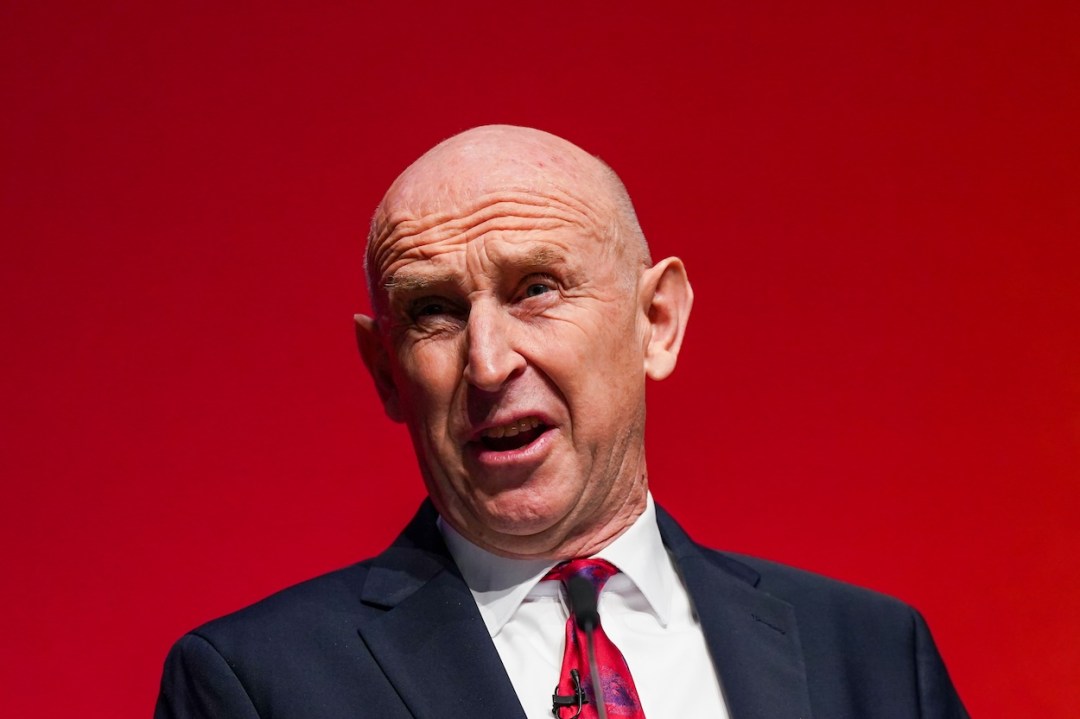
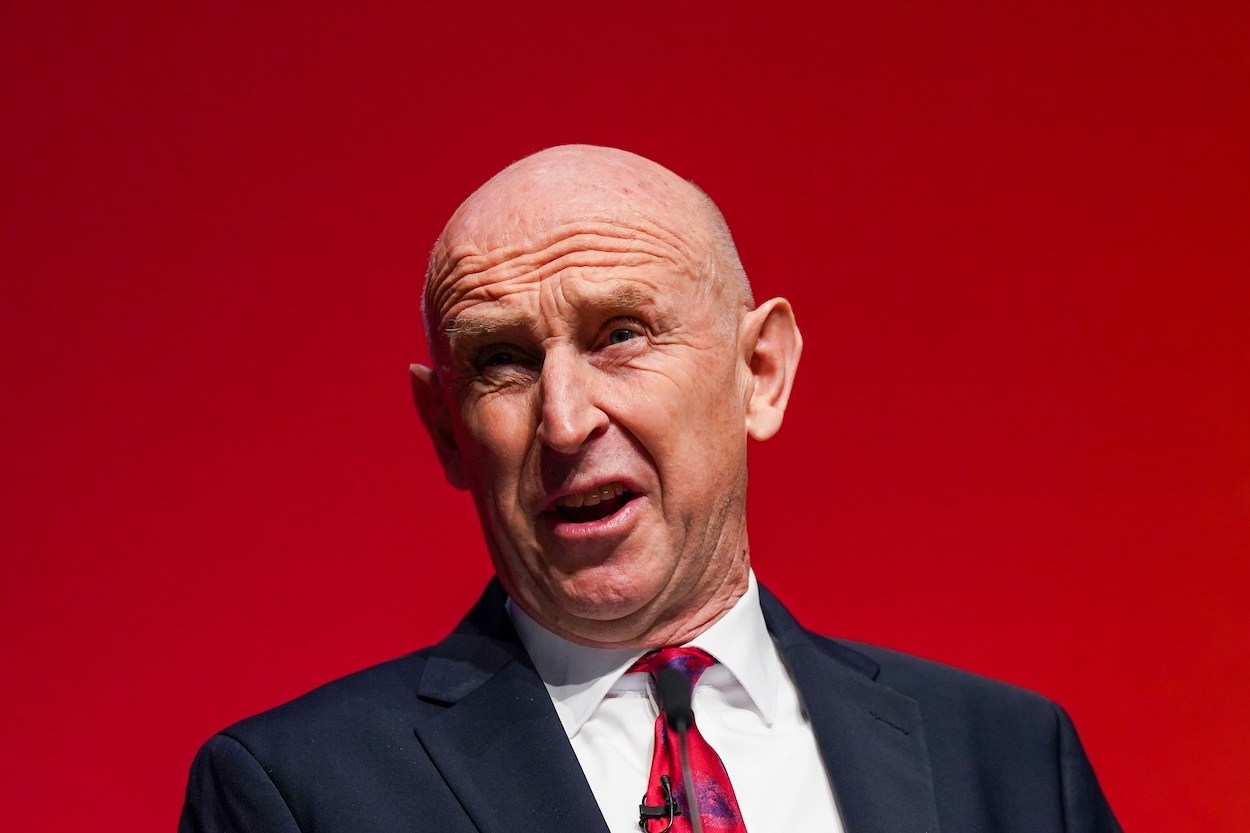
The headlines today say John Healey has a £35 billion hole in his Budget. The figure comes from the Institute for Fiscal Studies (IFS) – but the think-tank also says that Healey’s headroom, the margin by which government revenues are projected to exceed day-to-day spending in a few years’ time, may have barely changed since Rachel Reeves’s spring forecast, falling from £24 billion to perhaps £20 billion now. So what’s going on?
The IFS’s £35 billion figure isn’t for headroom. Instead, it’s what the think tank calls ‘spending pressures’: commitments such as raising defence spending to 3 per cent of GDP by 2030 (at a cost of £11 billion), keeping health spending growing by 2.7 per cent a year in real terms while sparing other departments the cuts to their budgets that Reeves pencilled in (£9 billion), compensating departments for inflation eating into their budgets, covering wage bills that are growing faster than expected and accepting that public sector productivity will grow more slowly than Rachel Reeves’s heroic assumption.
IFS director Helen Miller says Healey can’t put off the big decisions until next year’s spending review and a ‘“steady-as-she-goes” Budget is not an option available to the Chancellor. Choosing to stay the course with the inherited tax and spending plans would mean allowing inflation to blow departments’ spending plans off course.’ The presumption is that departments’ budgets will be protected and health spending will continue to grow faster than the economy. The IFS is sceptical that the government would stick to any theoretical plans for cuts, or even for services like health growing more slowly than expected.
But there is an alternative: Healey could stick to the existing spending plans and make departments live with the cost pressures that we are all facing. The IFS does acknowledge that this could happen, saying that there could be ‘chunky cuts’ – they just want Healey to set out spending plans ‘he would be genuinely prepared to live with’. The think-tank is right to be sceptical that cuts would end up happening: governments that pencil in slow spending growth frequently end up topping it up. But that’s something chancellors have done, not something that they must do. The risk is that if Healey pencils in a squeeze he has no intention of delivering, no-one will believe it – and lenders will want even higher rates of interest to lend to the government.
Spending restraint isn’t what Andy Burnham promised when he told Labour conference to ‘hope again’ – but, as he also said, ‘hope comes from honesty’, and he and Healey need to be honest and restrain spending to buy credibility. In 1997, New Labour stuck to the Conservatives’ spending plans for their first two years in office, plans which Ken Clarke, the Tory chancellor who made them, called ‘eye-wateringly tight’ and said he wouldn’t have stuck to. That restraint brought a reputation for prudence, falling debt and lower borrowing costs. The spending came later. John Healey has admitted that the money New Labour spent ‘is simply not there now’ – he should act like it.





Comments