It is a tale as old as time. A museum is slightly disappointed in its visitor numbers. Curators get together and conclude that the problem is a lack of young people. A large reorganisation takes place, usually driven by the hand of a consultancy firm, to seduce the elusive Gen Z visitor into their hallowed halls. The result is a far less interesting museum, no new young visitors, and those that loved and patronised the museum feel left behind and gradually stop going as well. This is the long march through the institutions for the twenty-first century. Previously, we have seen Kew Gardens, the Mary Rose and the National Maritime Museum all transformed by it.

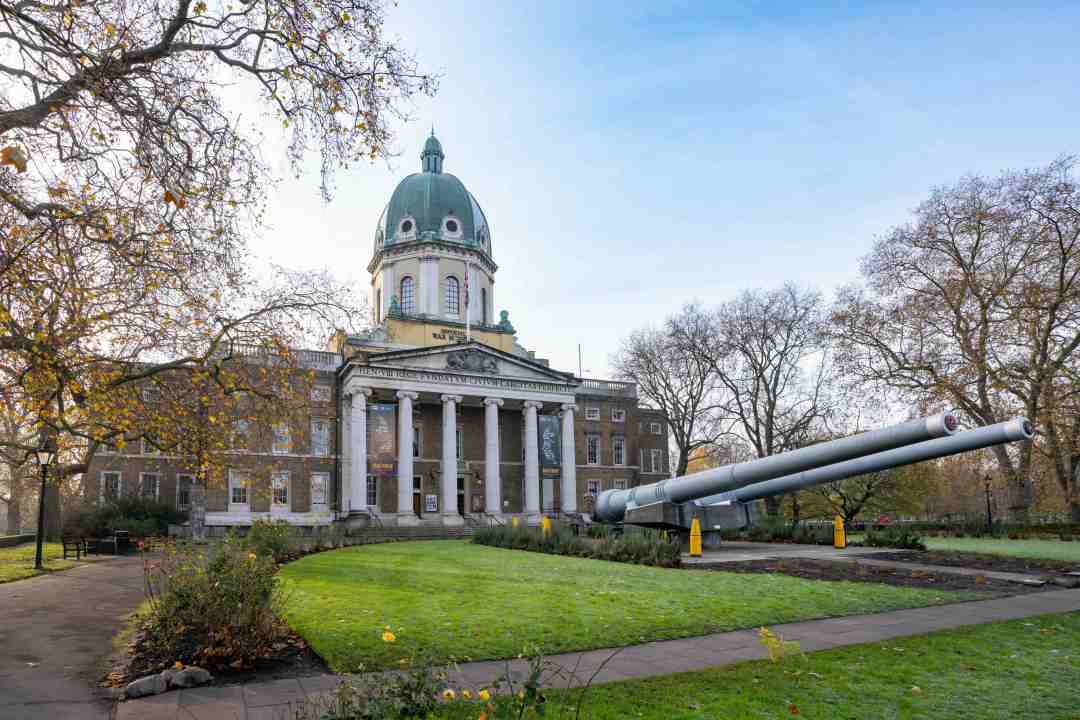
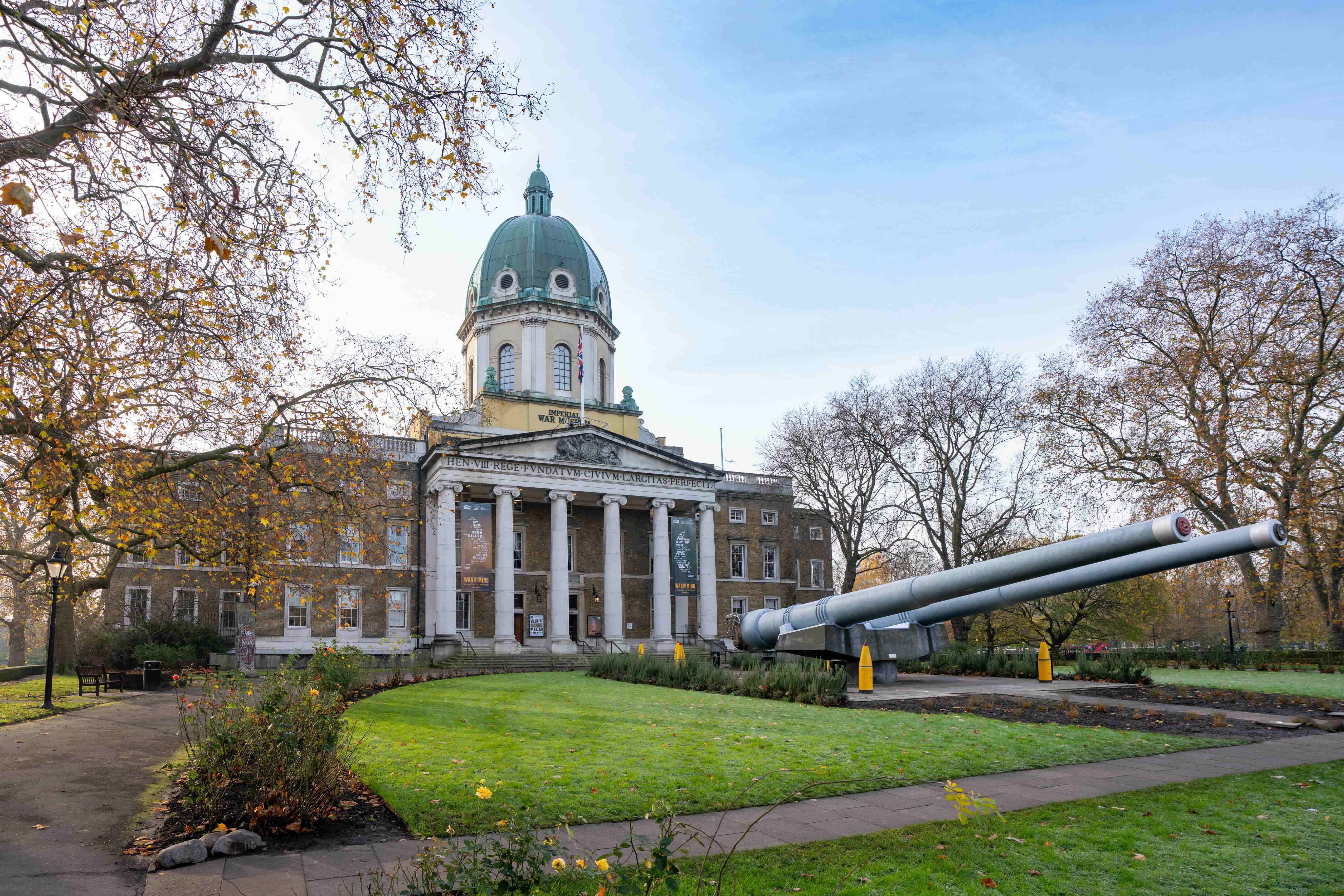
The latest victim is the Imperial War Museum (IWM), which will be spending £1 million on a major rebrand which will highlight modern conflicts because younger visitors apparently can’t relate to the First and Second World Wars. To justify their decision, museum executives have published a report arguing that there is a ‘growing public misunderstanding about what the IWM does and why it exists.’ This is not, they conclude, because the museum has thoroughly failed to explain its raison d’être to visitors, but because of ‘the growing number of people with no connection to someone who lived through the First or Second World Wars, or who was involved in the post-1945 conflicts.’
This must come as a devastating blow to museums worldwide. We must think of the poor Grand Egyptian Museum in Giza. There are a growing number of people with no connection to someone who lived through Tutankhamun’s reign so we will have to assume they will be imminently facing a dearth of visitors.
The truth is that the IWM has been suffering a crisis of identity long before trustees got out the hammer for this most recent nail in the coffin. The rot set in over a decade ago when curators cleared their atrium out of much of their best military hardware – rockets, tanks and guns – allegedly out of fear they were ‘glamorising war.’ The museum’s head of brand and marketing at the time, claimed that their brand was ‘viewed as old-fashioned by its stakeholders’ and that, God forbid, people thought the five sites ‘were military museums, rather than being about social history.’ This was when the museum dropped use of its full title in marketing and leant into the abbreviation. A director at Jane Wentworth Associates, the strategic consultancy hired to assist in the overhaul, advised that ‘“Imperial” sounds old-fashioned, “war” forbidding. It didn’t provoke a fantastic response.’ And thus, the uninspiring IWM was adopted.
More recently, we saw the London Museum resolve to close the Lord Ashcroft Gallery, which displayed more than 200 VC medals, and a smaller number of George Crosses. Lord Ashcroft, who had lent his £70 million collection of medals to the museum in 2010, has accused curators of cutting the exhibit in order to launch a self-guided LGBT tour featuring stories of drag shows in prisoner of war camps and an allegedly trans land girl. The museum denies there is a connection between the closure of the gallery and the launch of the tour. But the change in direction is clear. The museum is scared of war and scared of military history. They prefer ‘social’ stories of evacuees and rationing to tanks and torpedoes.
The change in direction is clear. The museum is scared of war and scared of military history
It is hard to overstate the importance of museums that tell the history of the two world wars. Not least because we might be on the brink of a third. As fights about defence spending rage in parliament, and the scourge of antisemitism rears its ugly head, now is the time to remember those who fought to secure the freedoms that we all enjoy today.
It is precisely because so many of us lack a living relative who served in the First and Second World Wars that we must rely on institutions to preserve their story. This is the moment at which history is at its most fragile. If young people are no longer connecting with the history of these conflicts, then it is the Imperial War Museum’s moral obligation to ensure they do rather than give up on the task all together.
In the meantime, I’d recommend a visit to the National Army Museum in Chelsea, which still tells a compelling story of the heroism of our glorious dead.




Comments