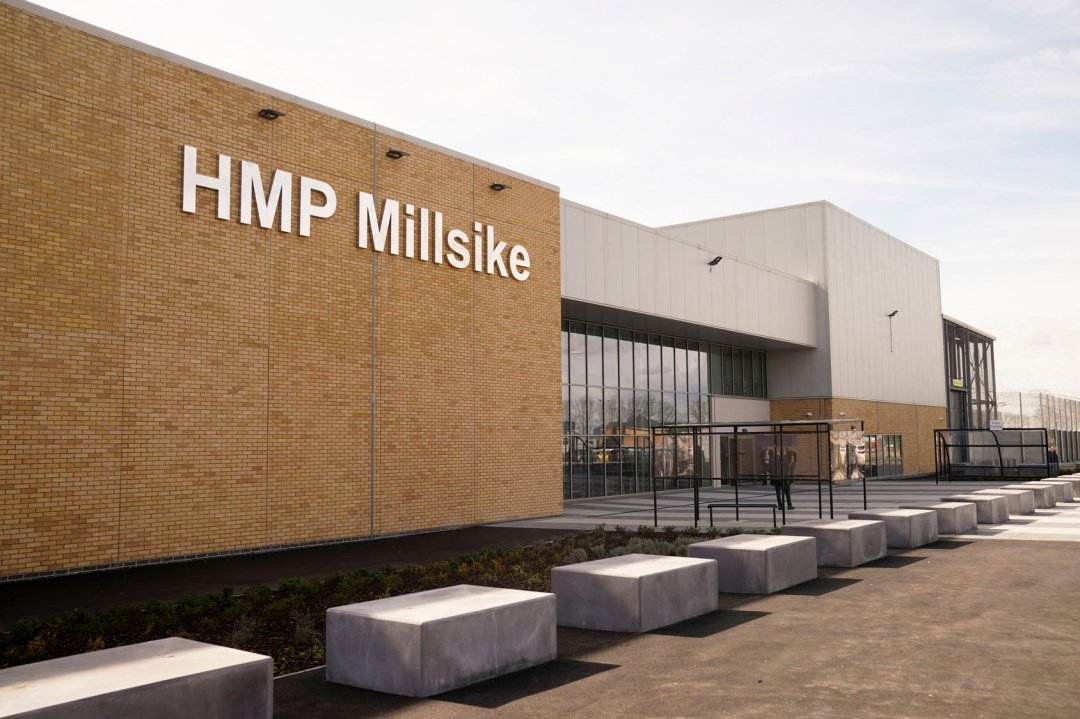
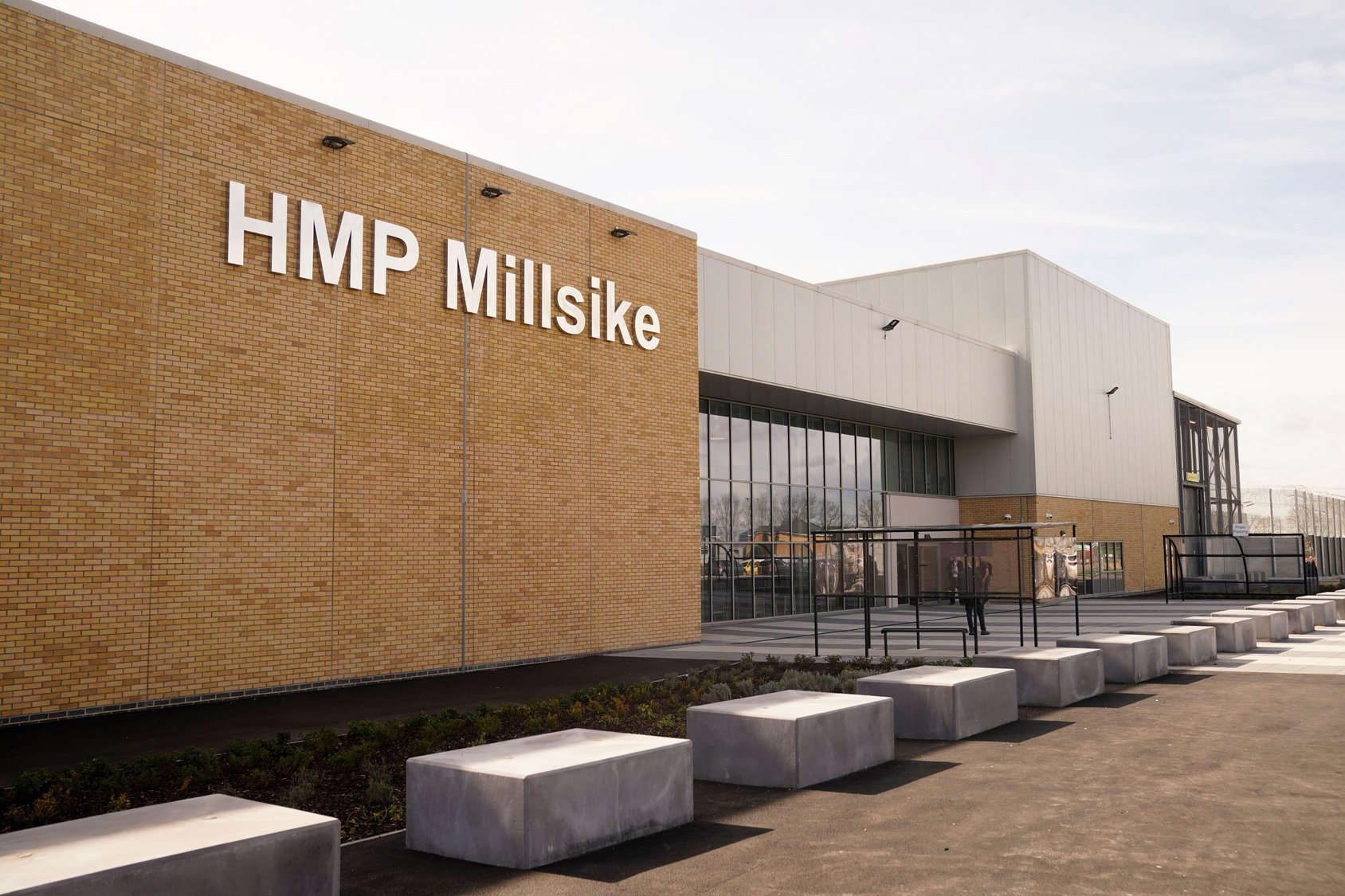
HMP Millsike, the country’s newest jail which opened in March 2025, has been criticised in the strongest terms by its Independent Monitoring Board (IMB). According to the IMB, the jail’s opening ‘was chaotic, with basic processes, like drawing keys, locking doors and counting prisoners, not yet established’, and that the jail suffers from serious ‘design faults’ which have been found in ‘other new prisons’ including ‘blind spots for officers on landings’, meaning that prisoners can be violent or pass contraband unobserved. This is despite the prison, which cost £400 million to build, having more than 1,500 CCTV cameras.

To make matters worse, the jail suffers from ‘consistent staff shortages’ because ‘the remote location of the prison’ makes ‘hiring difficult’, and, in addition to this, staff are ‘inexperienced’ and uncertain about ‘regime and processes’, which affects ‘safety, security and fair treatment of prisoners’. As a result of these shortages, Millsike, originally designed to hold 1,500 prisoners, still has 350 empty cells. According to the IMB, prison service leadership ‘appeared to accept poor running of the prison on the grounds that such places take several years to settle’. The IMB report noted that things are improving following ‘the appointment of a new and experienced Interim Director in February 2026’, but even so, given the capacity crisis, civil servants’ insouciance seems reckless and astonishing.
Indeed, when I contacted the Ministry of Justice for comment, it directed me to Mitie, a firm to which the government has outsourced the management of HMP Millsike. I very much got the sense that the MoJ sees this as a private sector problem.
Mitie strongly challenged the report’s claims, telling me that ‘while we value the Independent Monitoring Board’s oversight, we do not believe its description of the prison at the time it opened as being a fair or accurate reflection of the conditions at HMP Millsike. We welcome the recognition of the improvements made since opening. The report highlights progress in operational stability, safety, healthcare provision, reception processes and complaint handling, as well as examples of “excellent work” by our prison officers and leadership. We continue to work closely with HM Prison and Probation Service, the Ministry of Justice and the Independent Monitoring Board as the prison works towards full capacity.’
Is it actually fair to blame the situation on Mitie? Ian Acheson, former prison governor, says not. He pointed out to me that ‘the Ministry of Justice ran the competition for the design of Millsike. They were responsible for oversight of the entire project from breaking ground to prisoners in place. Shifting all the blame to Mitie, who were demonstrably unprepared to staff and run the prison properly, is smoke and mirrors designed to limit the exposure HMPPS contract managers have to a disastrous mobilisation as shown by the IMB report. They ought to take full responsibility, but we all know that accountability is a foreign language in this organisation’.
Acheson makes a fair point. The bad, repeated prison design is the cause of the problems with CCTV blindspots. Mitie had no control of that. The struggles to staff the jail are because of its ‘remote location’, chosen by the Ministry of Justice (no doubt because it made planning permission far easier to secure). That was also beyond Mitie’s control.
Private operation of prisons shouldn’t be a licence for the MoJ to wash their hands of responsibility, nor to shrug at substantial unused capacity
In truth, private prisons are often better and more efficient than public sector ones. According to a forthcoming report from the Taxpayers’ Alliance, ‘Competition behind bars: the efficacy of outsourcing in prisons’, private prisons are over £10,000 cheaper per prisoner per year – 18 per cent lower than the public sector – once all central costs are factored in. The research also finds that around two-thirds of private prisons outperformed similar public jails on safety and security measures.
In any event, the Ministry of Justice is responsible for the prison system. Private operation of prisons shouldn’t be a licence for it to wash its hands of responsibility, nor to shrug at substantial unused capacity when we are releasing dangerous prisoners due to a shortage of cells. The sense I have, again, is of a department which doesn’t take protecting the public seriously. They don’t build enough jails, and when they do they’re late, in the wrong place and badly designed. All of this puts the public at risk and is a wilful neglect of the department’s duty. Public trust is being abused. There isx no reasonable excuse or justification.






Comments