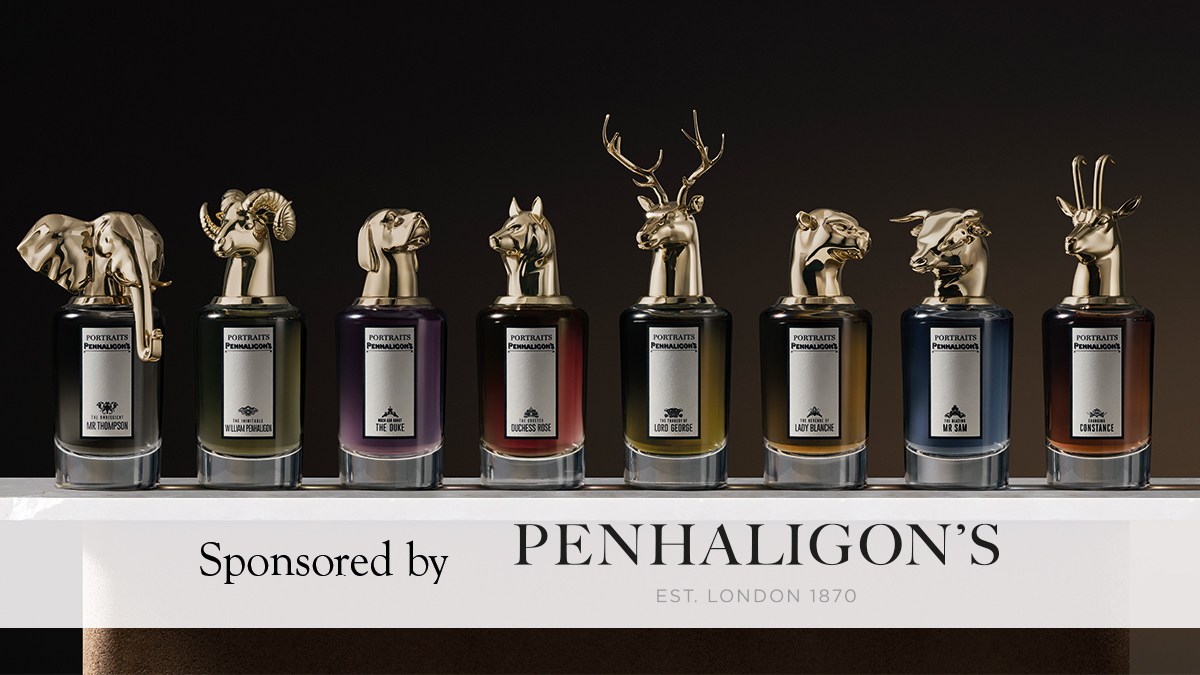
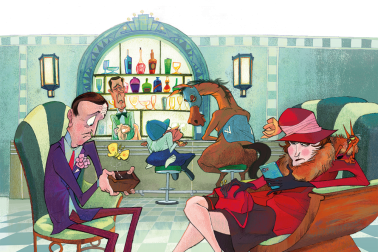
A seemingly respectable patriarch hiding ‘brandy-soaked secrets’. His alluring wife, ‘dangerously charming’ on the outside while plotting revenge on the inside. A handsome young Duke who sets hearts aflutter, and a captivating, anything-but-innocent Duchess.
Add the rebellious, rule-breaking Constance, a newly arrived Baroness who’s long been pulling the strings behind the scenes, and Mr Thompson, the butler who sees everything, and you’ve got an aristocratic cast of characters as mesmerising as any created by any Victorian playwright or modern TV scriptwriter. But look closely and you’ll find one among their number whose story is perhaps even more captivating than fiction.

In 1869, Cornish barber William Penhaligon moved from Penzance to London and began working at the Turkish baths on Jermyn Street. Surrounded by high society and literary figures among the clouds of lavender, spice, sandalwood and steam, inspiration struck and he created his first fragrance, Hammam Bouquet in 1872.
This scent, still on sale today, became the first chapter in the story of Penhaligon’s – the luxury British perfume house that knows perfume is about far more than fragrance. And more than 155 years later, Penhaligon’s has proved an enduring master of using scent to tell stories.
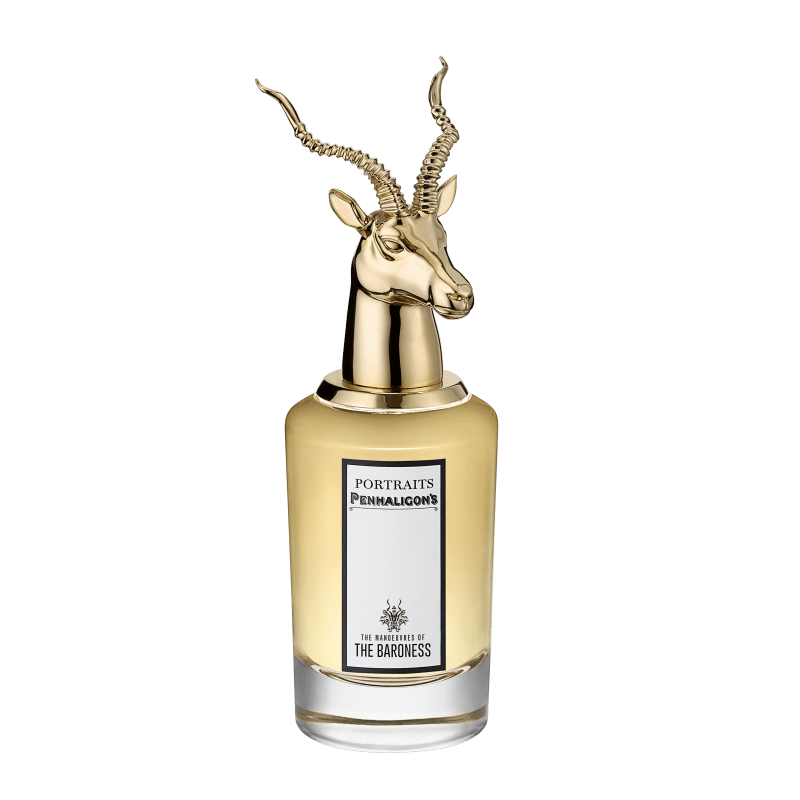
Some of the most memorable – and colourful – characters are the lords, duchesses, socialites and servants in the Penhaligon’s Portraits collection, an ongoing work of fiction which this year celebrates its tenth anniversary. Each receives their own signature scent that captures their personality, presented in bottles crowned with sculptural animal heads, and the eccentric citizens of this wealthy world give the cast of any period drama a run for their money. There’s that apparently noble patriarch encapsulated in The Tragedy of Lord George, with its scent of shaving soap and warming rum; his irresistible, scheming wife in the floral and woody The Revenge of Lady Blanche; and the all-knowing butler in the smoky, leathery The Omniscient Mister Thompson. There’s also a new addition revealing long-held secrets in the indulgent and arresting The Manoeuvres of the Baroness – released to mark a decade of the collection. And there, in the fictional world he created, William Penhaligon himself also appears, as The Inimitable William Penhaligon, warm, fresh and earthy.
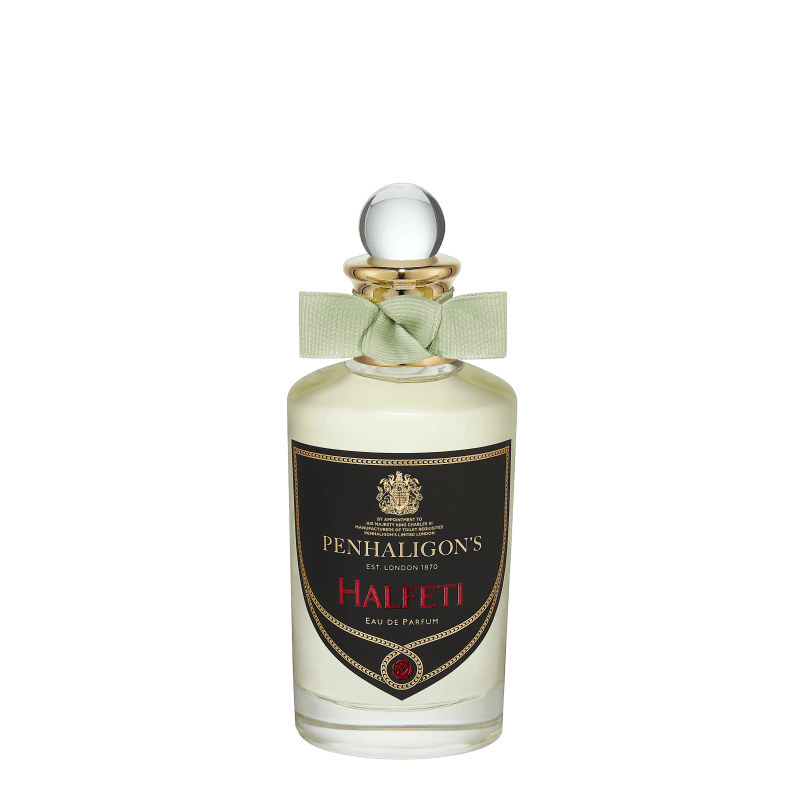
Every Penhaligon’s fragrance begins with a story. Alongside Portraits, its ranges include British Tales, celebrating Britain’s myths, gardens, landscapes and cultural history; Trade Routes, a journey across continents inspired by Britain’s historic spirit of exploration (Halfeti from this collection is the brand’s bestselling fragrance); and Potions and Remedies, a collection of emotional tonics which recreate the Victorian apothecary for the modern world. As Rudyard Kipling – himself a Penhaligon’s customer – wrote in his poem ‘Lichtenberg’: ‘Smells are surer than sounds or sights / To make your heart-strings crack.’
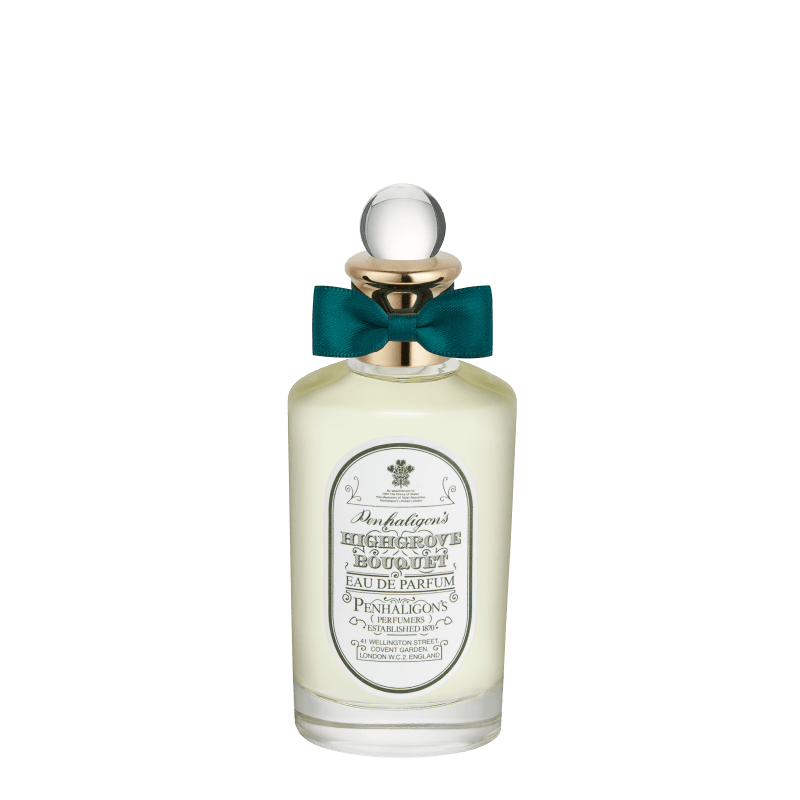
The story of Penhaligon’s itself has become just as compelling as the tales told by its scents. Its 155-year history includes four royal warrants, from Queen Alexandra to King Charles III, and a celebrated partnership with Highgrove Gardens and The King’s Foundation. Penhaligon’s customers have included prominent cultural and political figures such as Oscar Wilde, Winston Churchill, and the Shah of Persia, to name but a few. There are now more than 20 Penhaligon’s stores across Britain, plus boutiques in overseas destinations including New York and Singapore. Last year saw the suitably theatrical renovation of its Regent Street flagship boutique, to include a custom bronze lion sculpture and a bespoke chessboard inspired by the manoeuvres of the Portraits characters.
With each new chapter that has unfolded in the Penhaligon’s story, the perfumier has been reimagined and reinvented for contemporary audiences – but without ever losing William Penhaligon’s vision of a distinctly British sensibility that embraces elegance alongside eccentricity. Through it all, the timeless appeal of Penhaligon’s has remained, defined by British craftsmanship and character, and underpinned by exceptional perfumery.
To find out more, visit penhaligons.com.



Comments