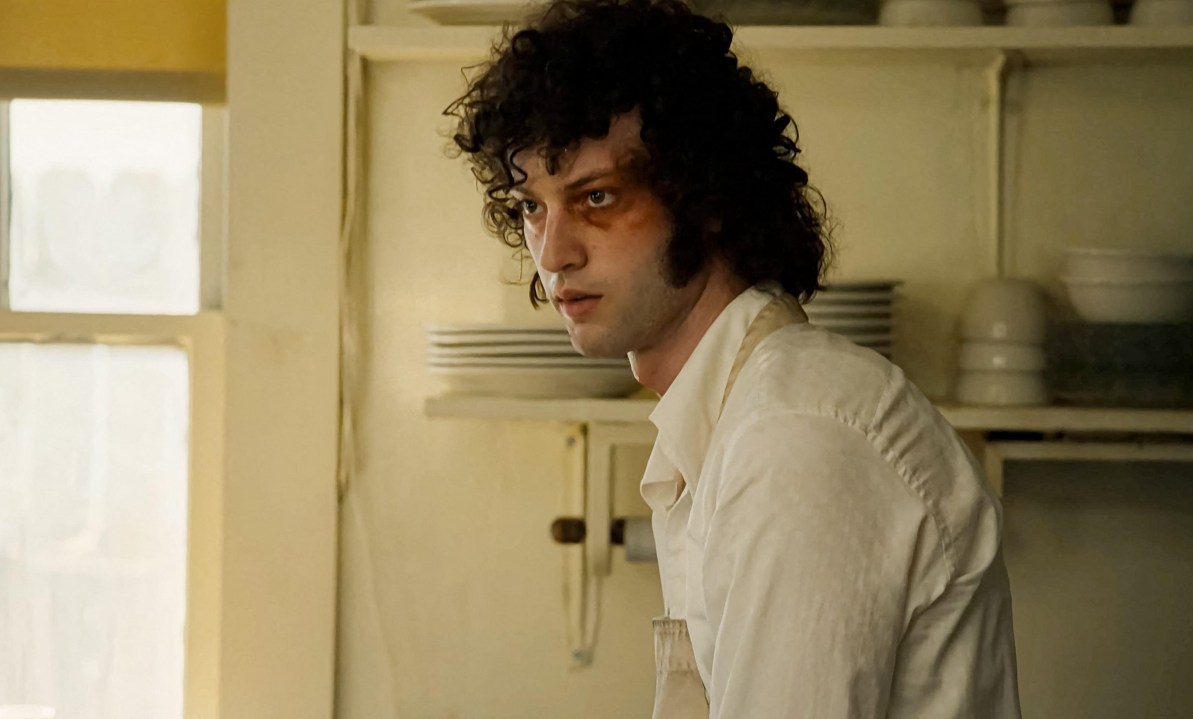
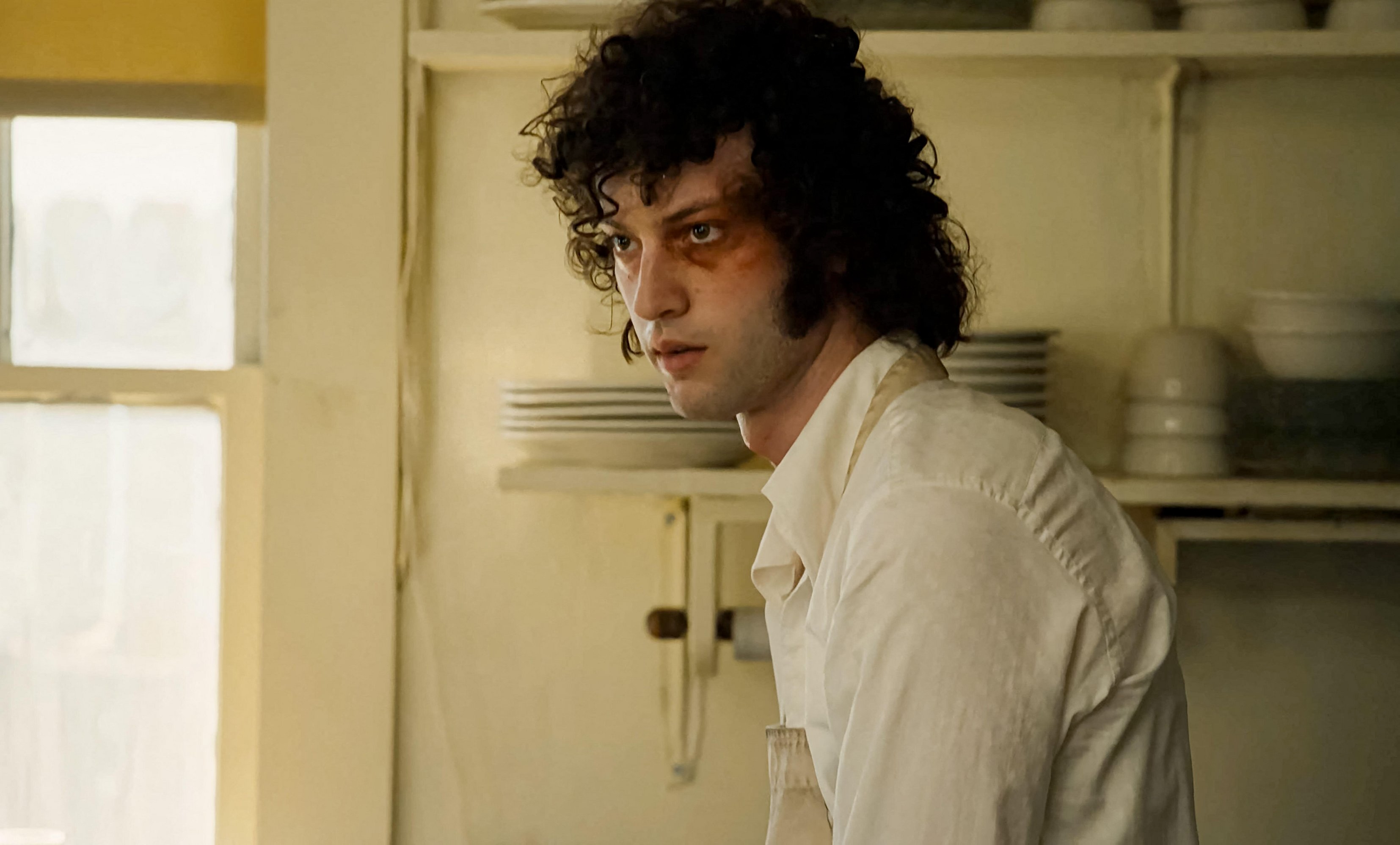
When did Anthony Bourdain decide on his future career? If you take him at his word in his memoir, Kitchen Confidential, it’s when he watched a colleague ‘rear-ending’ a bride in her wedding dress next to the bins. He doesn’t say if he finds it glamorous, sexy or depraved, but this service-for-goods exchange – where the line chef got sex and the bride got hash – was the moment he knew. If instead you take the new A24 biopic Tony, released this week, as gospel truth, it’s when he hosts a charity clambake on the beach in Provincetown, rejecting his colleague’s stealing-for-drugs friendship in favour of cooking for others.
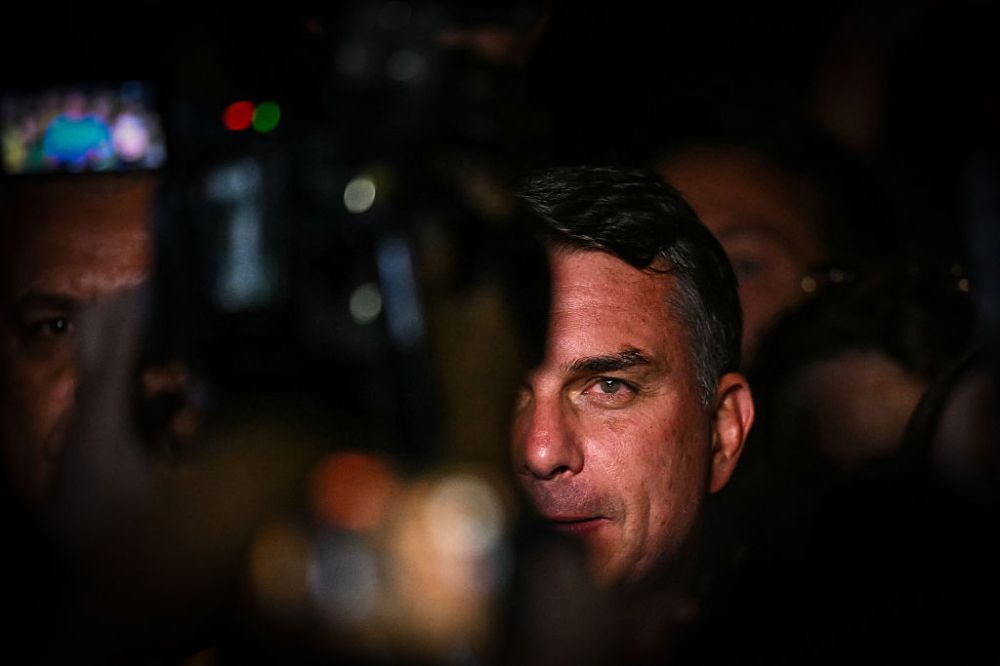
That summer was 1975, and by his suicide by hanging in 2018, aged 61, Bourdain had been a head chef, New Yorker essayist, author, comic-book writer and presenter of many food and travel series. By the end he was one of the most recognisable chefs who had ever lived, and ‘the original rock star’ of the culinary world, with the tattoos, cigarettes, tall spindly build, heroin use and Ramones T-shirts to match. He even shared noodles with Barack Obama in Vietnam, and today at Bun Cha Huong Lien in Hanoi you can find the table and stools they sat at, displayed behind plexiglass in a kind of sacristy.
Which Bourdain is the real one, the warms-your-cockles A24 version or the archetypal chef-junkie? Was he a chef, cook, writer or broadcaster? Was he an artist or a rock star?
In Kitchen Confidential he wrote that ‘a good cook is a craftsman, not an artist’, and that while craftsmen build cathedrals, artists don’t feel it’s necessary to ‘show up to work on time’. This is him writing as a head chef at New York’s Les Halles, where a busy service is all preparation, routine, precision and timing. Artists with their lofty ideas get distracted. The critics tasted his food and knew what he was not: Alan Richman in GQ said it was ‘truck-stop cuisine’.
A decade later, on Joe Rogan’s podcast, Bourdain, now with several TV series, said: ‘I will go to my grave without having created any art’, while comparing himself unfavourably to Ferran Adrià, then the best chef in the world. When Rogan protested, Bourdain demurred, saying such talk led to ‘madness and incarceration’ and, mystifyingly, to ‘beat[ing] a transsexual hooker to death’.
The problem with artist status is that, once you attain it, sought or not, your every creation or utterance risks being met with fawning adulation. A grumpy day becomes melancholy. Addiction becomes torment from which great art might emerge. Bourdain didn’t want to be put on such a pedestal, but people didn’t listen.
What he wanted all along was to escape. The people who drew him to kitchens were like him: pirates, ‘running away from something… misfits and refugees who really just couldn’t hack it anywhere else’. He wrote evocatively about what it was like to be an ordinary working chef, and he made it sound fun, sexy and crazy; not hot, exhausting and monotonous. No doubt there were crazy nights fuelled by uppers, but afterwards you’d have to endure the horrific comedown while peeling prawns. Later, he admitted he had made it sound fun, ‘but obviously it wasn’t’.
After nearly 20 years of exposure to his adoring fans, a year before his death he was reckoning with what readers had taken from his memoir. He called it a ‘meathead bible’, recognising that his stylish descriptions had celebrated, glorified and romanticised a lifestyle that would, in the long term, destroy people.
Television magnified this. Bourdain toured the world for 240 days a year with his gang, gaining access to intimate places thanks to The Godfather-style mafia bosses, then getting ‘fucked up’ in hotels afterwards. His fans saw an average dude living a rock-star lifestyle, and unsurprisingly the ‘meatheads’ wanted it for themselves. But even at the start he ‘didn’t want to be famous and [he] didn’t want to be a rock star’. Sure, he wanted what rock stars had, but with Bourdain as their example, entire brigades of chefs began copying him. ‘Now people cook in order to become rockstars, and that’s delusional behaviour,’ he said in 2016.
He even filmed himself being warned by one of his icons, Iggy Pop. Bourdain seems disappointed that instead of ‘drinking to excess’, they’re in a healthy restaurant, having just come from the gym. Pop interjects: ‘If you just flamed out, you’re in such voluminous and undistinguished company and all your works will flame out quicker with you.’ He learnt that life wasn’t a very good way to live.
Bourdain was a bad example, an average chef, a good writer and an excellent broadcaster
Bourdain even knew his TV persona was ridiculous. Talking to Joe Rogan, he compared himself to the Kardashians: his show was just him, a self-indulgent child, having fun on TV. There’s even a moment when, after Bourdain says he enjoys turbulence on aeroplanes, Rogan’s producer asks him: ‘Do you take your belt off and choke yourself while it happens?’ Bourdain replies: ‘It breaks up the tedium.’
Bourdain was a bad example, an average chef, a good writer and an excellent broadcaster. He never described himself in lofty terms and he had many of the materials of a tortured artist: but they didn’t make him one. What he did have was extraordinary charisma, built on top of torment. So when talent scouts search for the next Bourdain, they need to look for someone messy with charisma that makes the messiness compelling.
Which brings us back to Tony: was he a horny 19-year-old, or does Provincetown reveal providence? Both are true, and while Bourdain wrote his own myth, he was unable to control his canonisation.
He wasn’t a tortured artist, he was just tortured. And eight years after his death, many still aren’t ready to take his word for it.





Comments