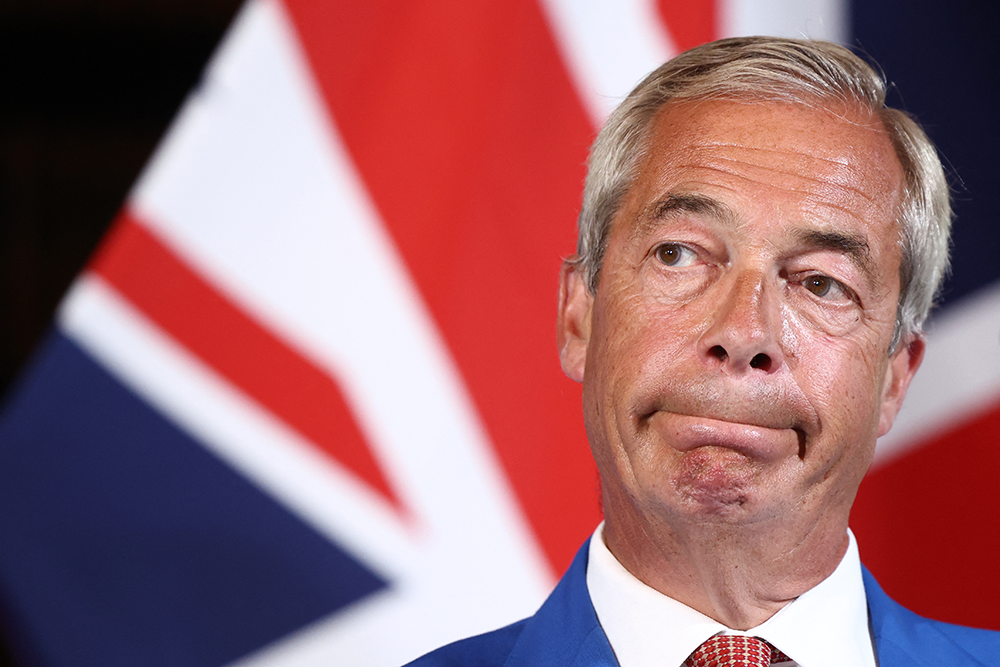
Nigel Farage’s victory in the Clacton by-election is a hollow one. The major parties boycotted the contest: of the Reform leader’s 33 opponents, the most prominent was a screenwriter with a bin on his head. This by-election was not forced on Farage by the parliamentary investigation into undeclared donations – this can resume as soon as he returns to the Commons – but called as an attempt to regain momentum after a difficult patch for Reform. That gambit has failed.
In August last year, Reform was riding high. Opposing an unpopular Labour government and a Conservative party in disarray, Farage capitalised on historic victories in the local elections and deep public anger at ‘uniparty’ failures over small boats and living standards. Reform polled above 30 per cent; Farage seemed set for No. 10. A year on, this looks far less certain. The poll lead has disintegrated; scandals are accumulating; progress has stalled.
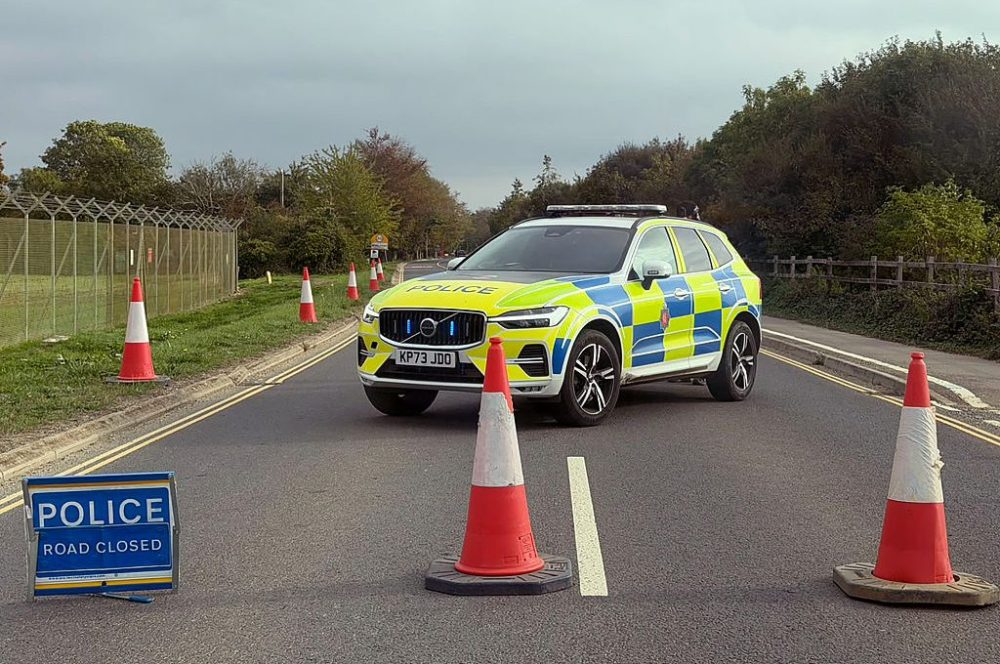
Reform is far from exhausted. This week’s arrival of a ‘mega-dinghy’ of migrants underlines the continued salience of immigration – Reform’s leading issue – as a major voter concern. But events have not proceeded to Farage’s advantage. Donald Trump’s impetuosity over tariffs, Ukraine and the Middle East has turned Farage’s closeness to the US President into a negative. Labour’s swapping of Keir Starmer for Andy Burnham means Reform faces an opponent more comfortable before a camera and with a clearer – if uncosted – idea of what he wishes to do with power.
To paraphrase Karl Marx, political leaders make their own history – but not under circumstances of their choosing. Reform is struggling because it has failed in its central mission: to destroy the Tories and become the main party on the right. As a man who likes a flutter, Farage may have noticed that Kemi Badenoch last week became the 3/1 favourite to be the next prime minister.
Badenoch’s improved personal standing has come from an increasing confidence and a command over her party. This was made easier by Robert Jenrick’s defection – a move which provided Farage with frontbench experience but alienated those in Reform who despise the Tories. Clear positions on the European Court of Human Rights and net zero illustrate that Badenoch’s party is under new management.
But Reform has also been squeezed by Rupert Lowe’s Restore Britain. Farage seems unsure whether he wishes to outflank Lowe, with pledges to deploy the Royal Navy in the Channel and to deport criminals to El
Salvador, or to take up his disgruntled ex-MP’s offer of a truce. Rightly, he has said such a deal would not be possible while Lowe dabbles with darkness, allying himself with a coterie of young ethnonationalists strident enough to deny the King’s Britishness and suggest Farage has been ‘bought’ by Jewish interests.
But while Restore nibbles at Reform’s support, Farage’s party will struggle to overhaul the Tories. That will trigger the same frustration that led Farage to snap at journalists asking questions about finances and personnel and call a by-election which became more Hi-de-Hi! than the ‘People vs the Establishment’ battle he hoped for.
When Farage returns to Westminster, he will find himself at a crossroads. Whether or not he faces another post-investigation by-election in Clacton, Farage must decide whether he is serious about government, or whether leading Reform has become too much like hard work.
Reform has failed in its central mission: to destroy the Tories and become the main party on the right
Dominic Cummings has speculated that Farage may return to his lucrative media career before long. Even if he did make it to Downing Street, is there more to Farage’s ambition than standing outside No. 10, declaring ‘you’re not laughing now’ to his critics, and decamping to the Westminster Arms when Sir Humphrey makes clear just how difficult reforming Britain will be?
Farage often points to Canada, where a Reform party overhauled and absorbed a Conservative one. But he also knows that doing so took three elections at which the left triumphed over a divided right. If Farage sees his historic role as frustrating the Tories, then his personal vendetta is getting in the way of delivering the transformative government this country so desperately needs. Britain does not have three elections to wait; the right, in whatever permutation, must be ready to govern in 2029 – or sooner, if Burnham gambles on a snap election.
Away from the Farage soap opera, Reform is doing vital work. James Orr and Danny Kruger have quietly assembled a team of leading young minds to work on a programme for government, to understand the hurdles that frustrated both the Tories and Labour and surpass them. Reform is a national force, with a substantial presence across English councils, regional mayoralties and the Scottish and Welsh ‘parliaments’. But the party exists in the shadow of its leader. And Farage needs to decide if he wants to govern – or just campaign and commentate.





Comments