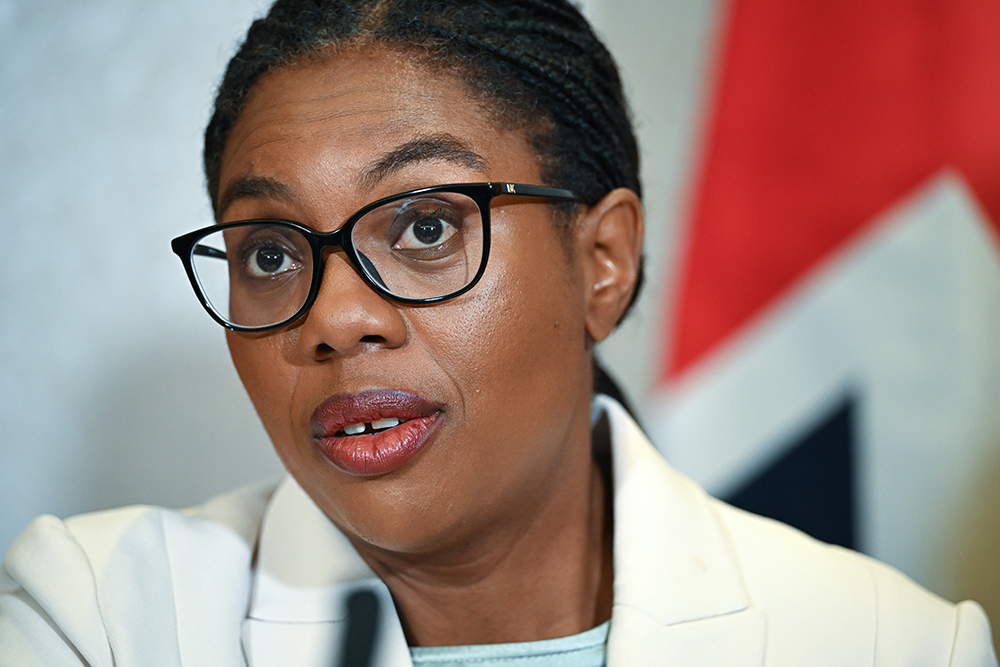


Since succeeding Rishi Sunak in November 2024, Kemi Badenoch has had two jobs to perform. Firstly, her constitutional obligation as leader of the opposition, which she has fulfilled well. In parliament, depleted Tory ranks have been marshalled effectively, harrying successive Labour notables from office by tabling questions and demanding answers from, among others, Peter Mandelson and Morgan McSweeney. Her despatch box style has impressed – though, after the departure of Keir Starmer, aides concede that a tonal shift might be necessary for the ‘very different beast’ that is Andy Burnham.
Now, with her position secure, it is the second task to which she must turn: her role as leader of the Conservative party. Most Tory leaders have a strained relationship with their party. Some tolerate it, others mistrust it, a few end up despising it. Badenoch is rare in that she actually likes the party she leads. She proudly speaks of her ‘visceral love’ for her fellow Conservatives; many of her closest relationships began while climbing its ranks. She even met her husband, Hamish, when they were both south London party activists – though that didn’t stop her later kicking him off the candidates’ list.
Various caucuses have downed tools, heeding Badenoch’s plea for an end to factionalism
The Conservative brand, though, is badly damaged after 14 years in office. So Badenoch’s team are focusing on boosting her up and her personal ratings have soared. The question now is how to translate Badenoch’s popularity into wider support for the Tories.
‘First change the party, then change the country,’ is the traditional advice given to opposition leaders. Rather than seeking a big public bust-up such as a clause IV moment, Badenoch has opted for low-key tweaks and changes. Evolution, not revolution, has been more her style. It was her leadership rival Robert Jenrick who argued that Liz Truss should be expelled to prove the Tories had changed. Ironically, it was Jenrick’s own expulsion which showed the party was firmly under her leadership.
The commitment to leaving the European Convention on Human Rights (ECHR) is a better example of Badenoch’s plans. Adopting the approach of the tortoise rather than the hare allowed her to address sceptics’ concerns while maintaining party unity. The Society of Conservative Lawyers was consulted; the shadow attorney general spent months on an 185-page report. ‘The [David] Wolfson report was a masterclass in boiling these people alive,’ is one right-winger’s approving verdict. ‘David is a lawyer,’ jokes a more centrist cynic. ‘He rewrote the question he was answering.’
As Badenoch has shifted policy rightwards, her colleagues have followed their leader’s cues. Various caucuses have downed tools, heeding her plea for an end to factionalism. Her doubters are largely keeping schtum. ‘No Conservative party means no One Nationers,’ says one Tory, noting that the caucus has not formally met since 2024. ‘Jaw jaw’ has replaced ‘war war’, with dinners replacing public squabbling. Nick’s Diner and the ’92 Group, respective bastions of left and right, both recently hosted Badenoch. ‘The fact that she’s bothered to keep making an intellectual and thoughtful case for conservatism has really helped within the party,’ says one Jenrick backer.
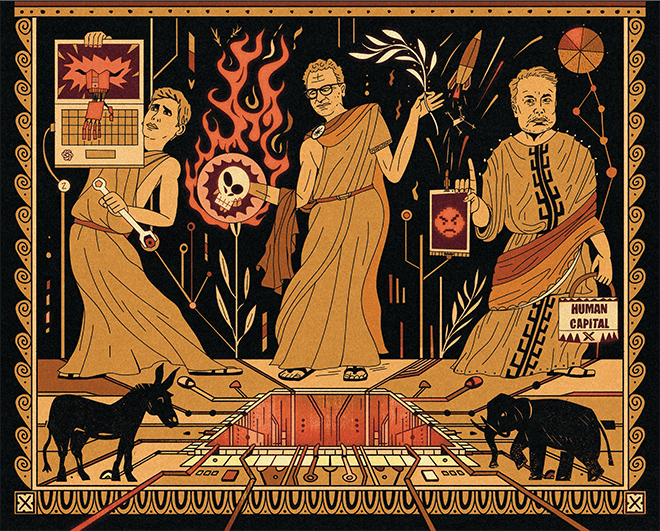
The challenges facing Badenoch, then, are not in parliament but outside it. Like an ancient mansion, much of the party’s foundations have rotted away during decades of neglect. Two-thirds of Tory associations barely scraped the £25,000 reporting threshold for income this year. Dozens of local websites are effectively moribund. Infrastructure is sorely lacking in areas without an incumbent, with much of the north and provinces struggling to field a decent slate for this year’s locals. Badenoch has held seats in London and Essex but is yet to tie her southern-tinged Toryism with a northern pitch, as Boris Johnson managed to do.
The coming months are therefore intended to show, rather than tell, that the party has changed. A memorandum of understanding is being drafted for all parliamentary candidates to sign, committing them to fiscal responsibility, cutting welfare, repealing net zero and leaving the ECHR. Badenoch’s willingness to talk about Islamism and integration appears to be influencing potential candidates. ‘A few years ago, you’d have people ducking the cultural questions,’ says one assessor. ‘Now candidates are much more willing to engage in the thornier stuff.’
The candidates’ book has already been quietly rewritten. Former MPs need at least two-thirds of a selection panel to back them to stand again. Incumbents, meanwhile, require more than 50 per cent of their executive committee’s votes. These are ‘almost all Kemi devotees now’, says one plugged-in veteran, ‘and [they] love the temporary ability to wield the knife’. The next intake could look much more ‘Keminised’. The ‘old and the bold’ could well be gently, or not so gently, encouraged to stand down. One in seven of her MPs are of pensionable age, with Sir Geoffrey Clifton-Brown in Gloucestershire among the more vulnerable.
Party conference will be a key moment for Badenoch, a chance to broaden her pitch beyond her personal appeal. The Young Conservatives will hold hustings for a new chair amid a 50 per cent surge in young members. Much of the business world is now willing to take a second look at the Conservatives, with some £750,000 raised from the summer party and a new business club to pull in fresh support. Badenoch’s office has been bolstered to back this push, with Elliot Keck, formerly of the Taxpayers’ Alliance, joining to aid on economic communications. With a headcount of 20, Badenoch’s staff team is growing but remains historically small for a LOTO office– as veterans like Stephen Gilbert have pointed out to others.
Other bits of the party will increasingly resemble the leader and her pro-digital, anti-‘woke’ posture too. The digital team is expanding from 11 to 17; ready to wage an online war. The Party Board is debating whether to significantly reduce the allocated votes for the Conservative Women’s Organisation on the National Convention. Supporters argue that ‘Badenoch has been clear that our national policy is to root out DEI – we must lead by example.’

The shadow cabinet can begin to build up their profiles, too. Mel Stride, the shadow chancellor, has been hosting policy chats over Monday-night curries; Chris Philp, the home affairs spokesman, is exploring gonzo politics with his recent run-in with the French navy. Building up others furthers the case that the Tories are a proper team: all top figures ought to be seen as ‘Kemi Conservatives’.
Across the West, the centre-right is imperilled as new forces uproot traditional coalitions. From next month, the Tories move into their new headquarters in Victoria: a five-floor reminder of the political capital invested in the Conservatives’ future.
The Conservative party helped make Badenoch what she is today. Now, she is remaking the party in her own image.





Comments