Heatwave number four swept through France this week. The temperature hit 42C in some regions, including in the south-west, where firefighters have been trying to save Bordeaux for more than a week. The wildfire, which started about 22 miles west of the city, has claimed the lives of two firefighters, left dozens injured and burned more than 42,000 hectares. It has also led to the evacuation of more than 250,000 people, many of whom were tourists. Among those who have fled are George Clooney and his family, who have left their home in Provence in what the actor described ‘as this terrible moment’. At the start of the week the prefecture for the south-west region asked holidaymakers to stay away. The advice has been heeded. Only 45 per cent of the region’s hotel rooms are booked for August. The fear for many in southern France is that tourists will stay away, not just this year but permanently.

It’s not only the south-west of the country that has been ravaged by fires this summer. In Provence, more than 4500 hectares were lost to flames in a fire that lasted eight days and prompted the evacuation of 5,000 people from some of the most picturesque villages in the area between the Mediterranean Sea and the Verdon Gorge. There have also been significant fires in the Landes – Basque country, which includes the seaside resort of Biarritz – and on the island of Corsica, another favourite holiday destination. The north of the country has largely avoided any major wildfire. The most destructive was in the forest of Fontainebleau, south of Paris, where around 2,000 hectares were lost to fire earlier this month.
Thankfully, the fires have claimed very few lives – save for the handful of brave firefighters who have perished. The heatwave, on the other hand, has been blamed for the excess deaths of 6,000 people up to the beginning of July, the majority of them elderly. It is the highest number since the heatwave of 2003 when France roasted for three weeks in August.
What will this August bring? Many French are already at the end of their tether, worn down by temperatures that make it an ordeal to work and impossible to sleep. The last thing they want do is holiday in a heat hotspot. Consequently, the French tourism industry is undergoing a subtle transformation. In a recent feature Le Figaro newspaper remarked that ‘the French are seeking cooler havens, either to spend the summer or to settle there permanently’. This trend will grow given that the average temperature in France is predicted to increase by +2.7C by the middle of the century and +4C by its end.
It is no longer de rigueur for the French to spend their summer camping on the Côte d’Azur or renting a house in the south-west. More and more are heading to once unfashionable regions, where the temperatures are lower as are the chances of being caught in a wildfire. Last summer the Hauts-de-France region – Picardy and the Pas de Calais – reported a 7.1 per cent rise in tourist numbers, against a national average of 4.9 per cent. Three in four tourists were French and of the foreign holidaymakers Britons were the largest representation. The trend is continuing this summer with Channel resorts such as Wimereux fully booked. The Grand Est, which encompasses Champagne, Alsace and Lorraine, enjoyed a record number of holidaymakers in the summer of 2025, up 5.2 per cent on the previous year.
It is no longer de rigueur for the French to spend their summer camping on the Côte d’Azur or renting a house in the south-west
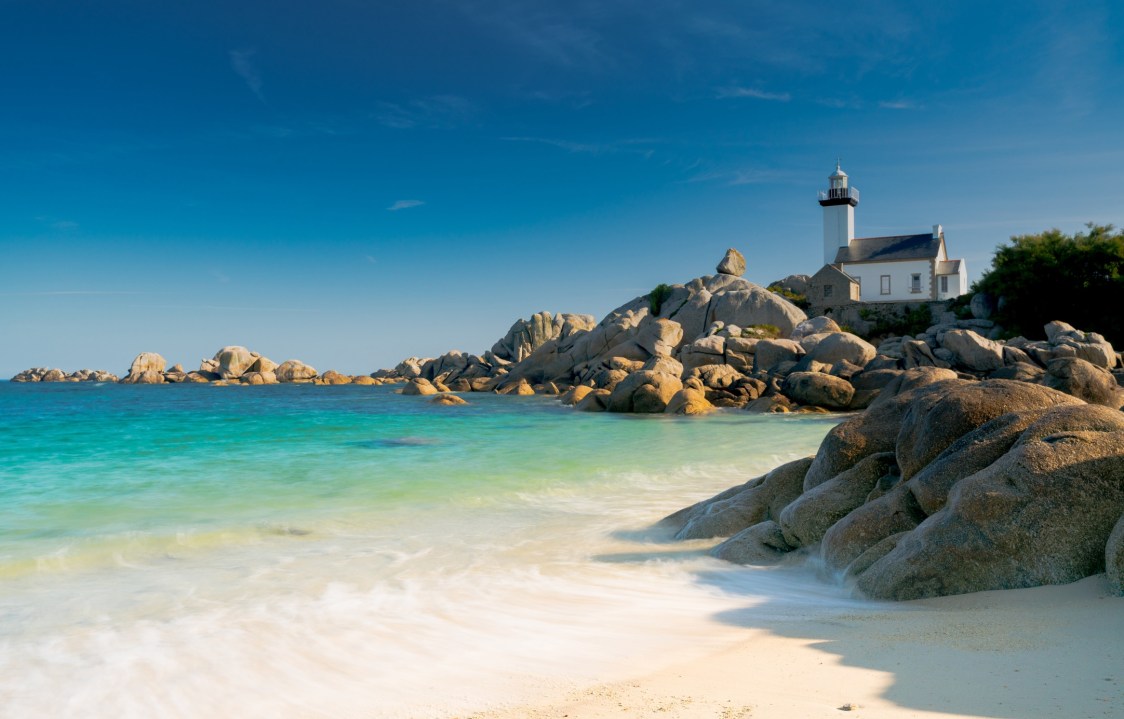
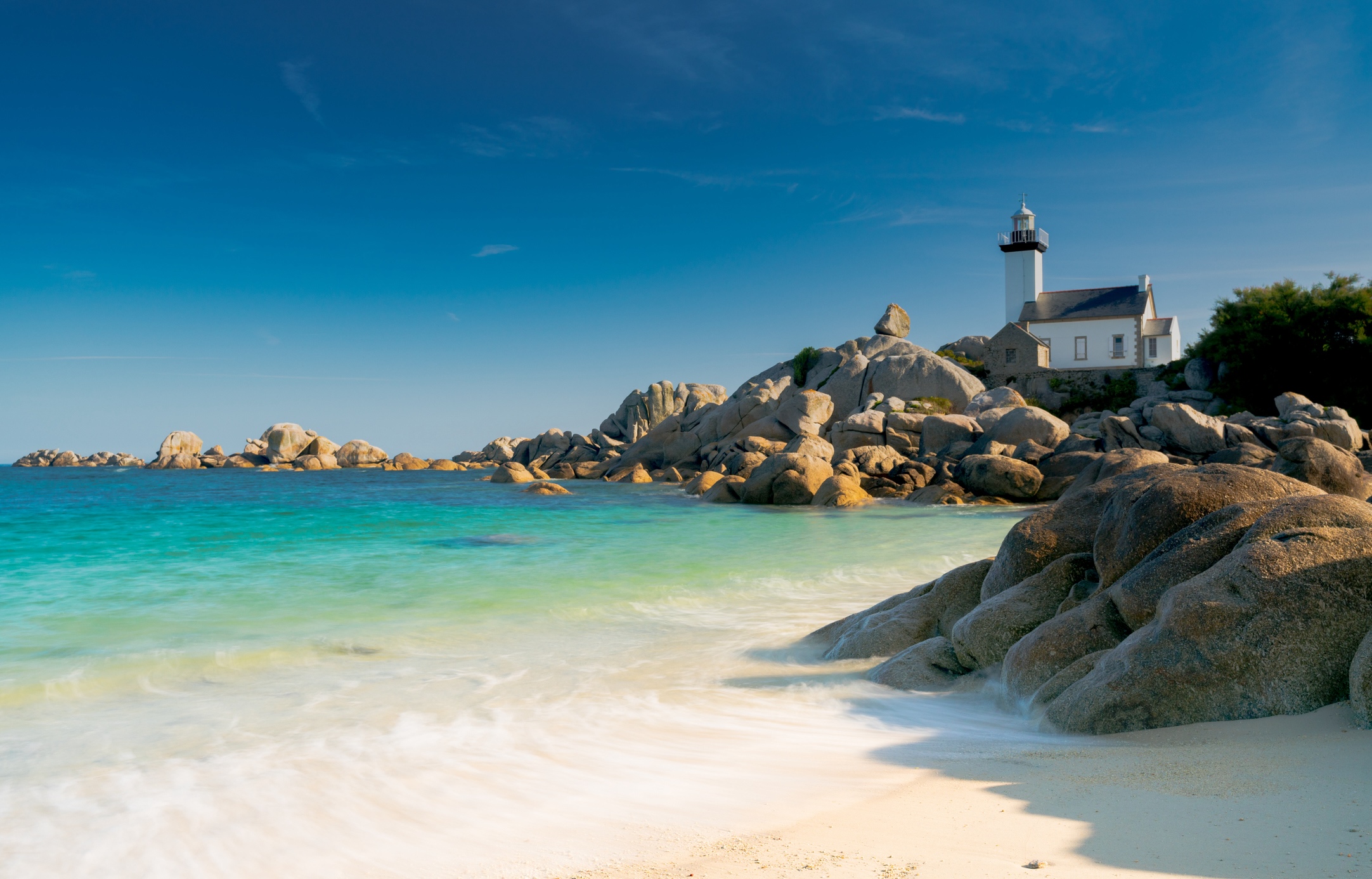
Brittany will remain as popular as ever, now dubbed the ‘Cannes of the North’ in a recent Financial Times article. According to Cyrille Duchesne of France’s meteorological office, ‘for those looking to avoid the heat, head for Finistère and the northern part of the Côtes-d’Armor’. This advice may not be to the liking of all the locals. Five million people live in Brittany, and some resent the fact that each year three times that number of tourists flock to the region. ‘Surtourisme’ as it’s known in France threatens some of Britanny’s cherished natural sites. ‘Bretons have reason to be concerned,’ said the sociologist Rodolphe Christin, author of The Anti-Tourism Handbook; ‘Climate change is reshaping the landscape of visitor numbers and tourist flows’. He said that in 2023. Since then, the reshaping of France’s landscape has accelerated. The north is becoming the new south. And the south? That’s becoming unbearable.





Comments