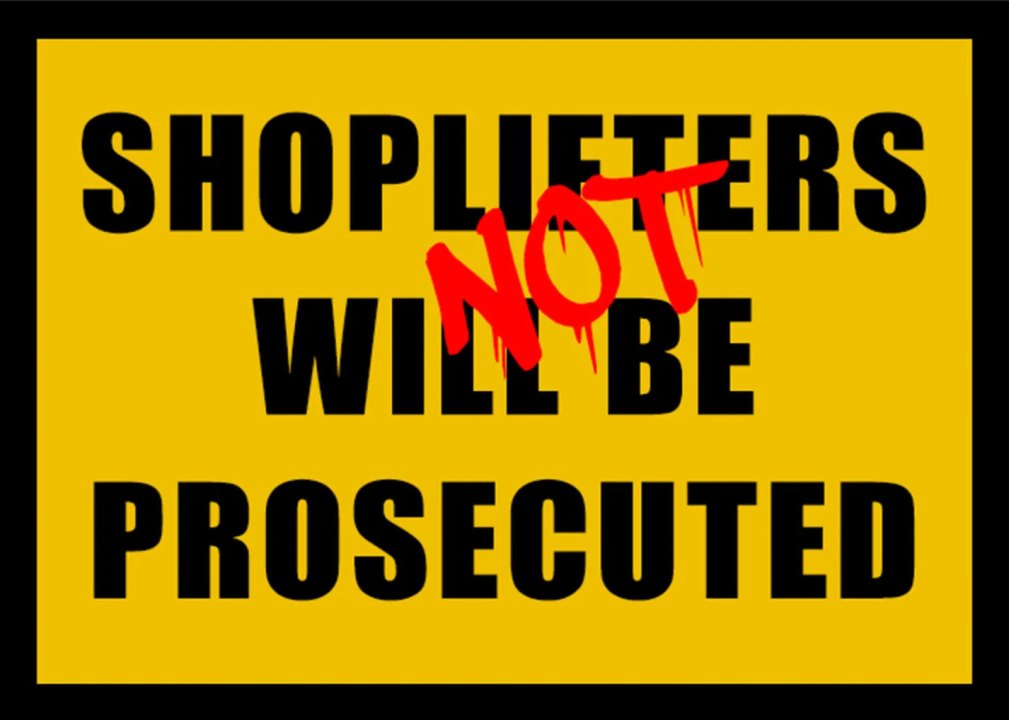
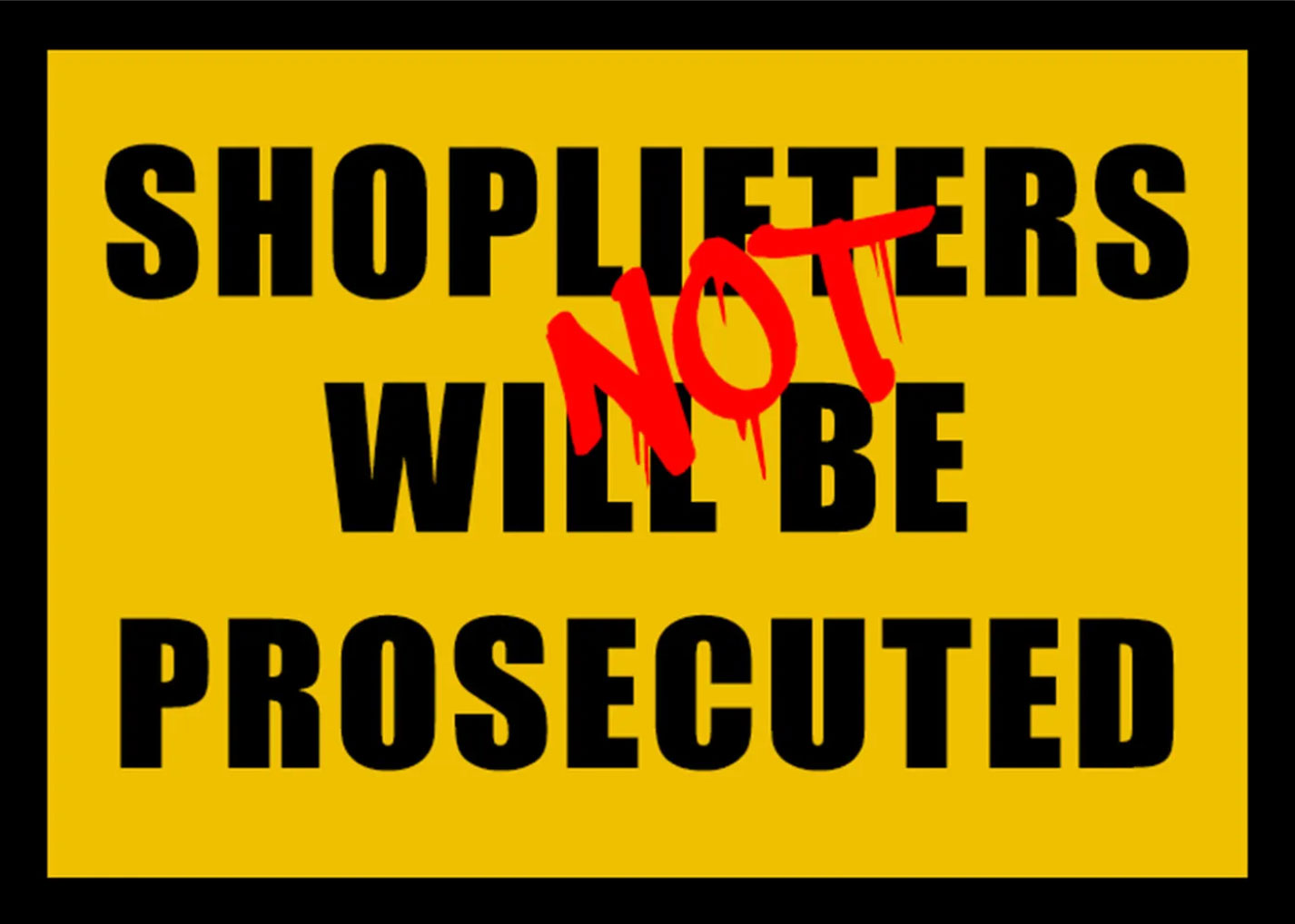
I went to San Francisco to document the homelessness crisis. What I did not expect was to witness the most blatant shoplifting I have ever seen. I was staying at the Holiday Inn, and just a short walk away was a Whole Foods. One morning around 8 a.m., I walked over to grab a breakfast sandwich. Before I even made it through the store, I noticed four different homeless individuals in different aisles stuffing bags with anything they could grab. It was not subtle. It was not someone slipping a sandwich into a coat pocket because they were starving. It was clear, obvious, brazen theft.
Two security guards were stationed at the front of the store. Both were on their phones. They were close enough to see what was happening, but far enough away to make it clear they were not going to stop it. I followed a few of the shoplifters around. One woman had a bag full of coffee beans. She walked straight toward the front door. A manager told her not to take anything but made it very clear he was not going to put his hands on her. She walked out anyway. The security guards stood about 20 feet away and did not get involved. Moments later, a homeless man holding more than $200 worth of meat casually walked out the door, giving staff a little wave as he left. He did not run, hide or act nervous. He walked out like he had done it before. Meanwhile, another homeless man was in the deli grabbing multiple breakfast burritos. Then he went to the health food section and loaded up on protein powder. A few minutes later, he walked out too. Nobody stopped him.

I just stood there, trying to understand. The thieves were making no effort to hide what they were doing. The staff knew. Security knew. Management knew. Everyone knew. But the entire system seemed built around one rule: do not physically intervene.
Over the next few days, I witnessed multiple incidents just like this. Different people, different items, same routine: walk in, load up, walk out. No fear, no urgency – no consequences. I also learned where at least some of the stolen goods appeared to be going. Many items seemed to end up on Mission Street, where there was a massive illegal sidewalk market filled with hordes of people openly selling merchandise.
This is the part people do not want to talk about. Some people will argue that homeless people are stealing because they are starving. I am sure that happens. Hunger is real. Desperation is real. Poverty is real. But that is not what I saw in San Francisco. Most of what I saw being stolen was far beyond what one person could reasonably consume. I saw people taking meat, coffee, protein powder, candles, wine, beer, candy and other items that could easily be resold. In many cases, this looked less like survival and more like an open-air retail-theft pipeline.
I emailed the San Francisco Police Department and asked whether they enforce shoplifting laws. They assured me that they do. But what I saw on the ground pointed to a major disconnect. Police may say they enforce the law, but if store staff and private security cannot stop someone, cannot follow them, cannot photograph them, cannot identify what they stole – and sometimes cannot even give a detailed description – then what exactly is supposed to happen? A crime is committed in plain sight. The person walks out. The goods disappear. The merchandise appears on the sidewalk a few blocks away. Then everyone acts confused about why retail theft is out of control.
Under California law, shoplifting goods valued at $950 or less is generally treated as misdemeanor petty theft. That does not mean it is legal. But on the street, perception matters. And the perception I heard again and again was: nobody is going to stop me. That perception has become more powerful than the law itself.
I spent most of my time observing one Whole Foods market. A few security guards spoke to me off camera. They told me there is not much they are allowed to do if they see shoplifters at work. The shoplifters knew the rules better than anyone. They knew nobody was going to touch them or stop them. They knew they could walk out the door. Over the course of more than a dozen shoplifting incidents, I did not see one arrest. Not one.
In many cases, this looked less like survival and more like an open-air retail-theft pipeline
This is not just a Whole Foods problem or a homeless problem. This is a San Francisco problem. It is a policy problem. It is an enforcement problem. It is a corporate liability problem. It is a public safety problem. And most of all, it is a reality problem. Because the reality is obvious to anyone willing to stand there and watch.
But law-abiding citizens are expected to pretend this is normal. Store employees are expected to absorb the chaos. Security guards are expected to stand there and watch. Police are expected to enforce laws after the evidence has disappeared. Businesses are expected to eat the losses. Customers are expected to pay higher prices. And the public is expected to believe this has nothing to do with policy. But it has everything to do with policy. When laws are weak, enforcement is inconsistent, corporations are terrified of liability and street addiction is allowed to operate unchecked, this is what you get.
That is the part San Francisco does not want to admit. The shoplifters understand the system perfectly. They know exactly what they can get away with. And from what I witnessed, they are right. San Francisco’s worst-kept secret is not hidden in some back alley. It is happening in broad daylight. The only people who seem unable to see it are those in charge. Or maybe they do see it. Maybe they just do not want to admit what they have created.


Comments