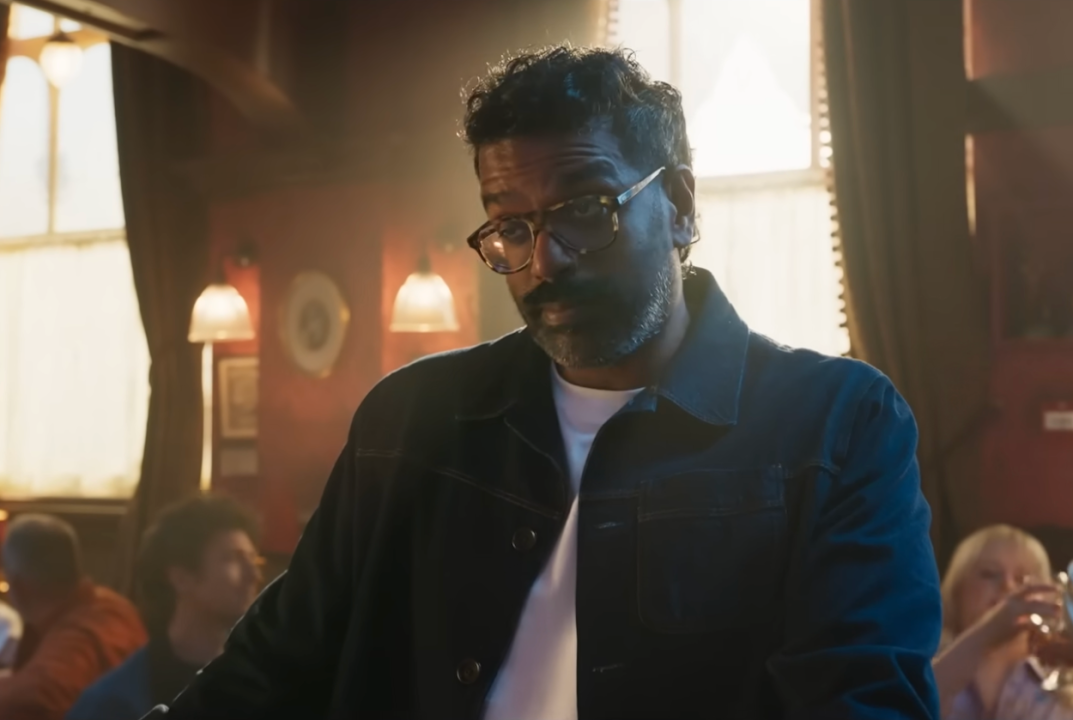
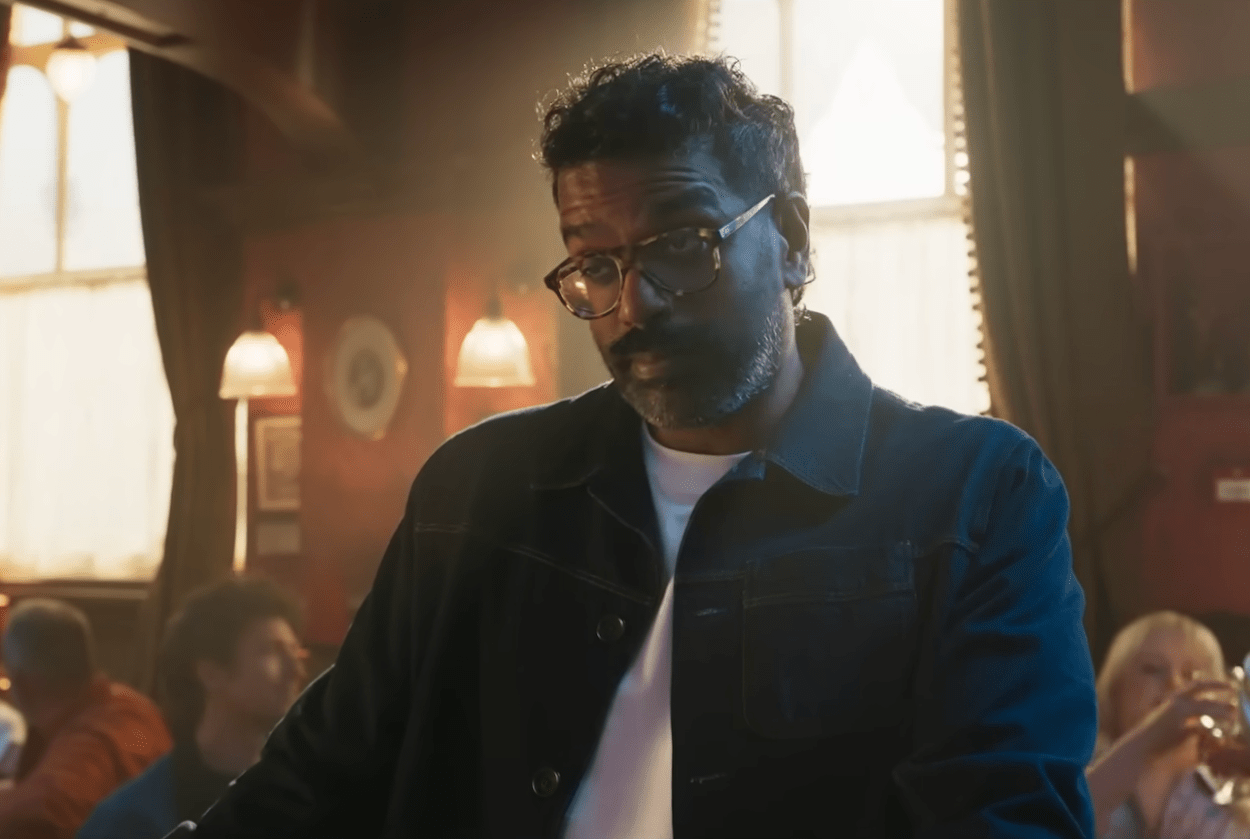
There were many things to be annoyed about in the World Cup final: Argentinian shithousery; their usual grace in defeat; the string of cliches that Tom Cruise read out at the start; the inevitable cute song from all the world’s children. But the BBC’s smug, self-satisfied, tone-deaf, patronising promo enraged me more than all of this combined. Romesh Ranganathan spent two minutes and 40 seconds to ask, and then answer at extraordinary length, a variation on Monty Python’s famous question: ‘What has the BBC ever done for us?’
You couldn’t fault the production. It was beautifully made. A hundred celebrities, from Chris Martin to Pudsey Bear. There were Daleks and Mary Berry and Louis Theroux offering to turn off the BBC with a big switch. So why did it grate so much?
In part, it was the orgy of self-congratulation; the BBC telling us at length just how lucky we are to have it. ‘They introduced the nation to someone called Adele, they verify news thoroughly, and do it pretty well’, intoned Ranganathan. ‘They do a lot for British storytelling, it’s true.’ And if somehow we hadn’t quite got the message that the BBC is really, really great, at the end we had Strictly judge Anton du Beke holding up a score paddle with a ‘10’ on it. Because, as we all know, the BBC deserves a score of at least ten out of ten.
Partly, it was the tone of talking-down to us ungrateful wretches, too stupid and ignorant to grasp what amazing value the £169.50 licence fee represents. ‘Who cares if they’ve raised two and a half billion for charity?’ asks Ranganathan, articulating the exact phrase that no viewer in human history has ever uttered. And then: ‘Wait… the money the public pays creates over £6.5 billion for the UK economy?’ If we had somehow missed the subtle nuance hitting us in the face like a frying pan, he adds: ‘Hmm. Sounds pretty good, actually.’
Partly, it was the sheer effrontery of it all. At one point, Ranganathan told us that the BBC doesn’t have advertising. In the middle of an extended advert. For the BBC. Paid for by the licence fees of the people watching. It tells us much about the BBC’s sense of self that at no stage did any of the hundreds of folk involved in creating this advert think to say: ‘Hang on, everyone. Perhaps we shouldn’t boast about the absence of adverts in the middle of an actual advert’. Maybe someone did raise this, and was howled down by their colleagues.
The BBC misjudged the moment. In the middle of the final of the World Cup, there were so many better ways to spend two and a half minutes. We could have had more analysis of the game, or a fabulous montage of the World Cup so far. If the BBC wanted to manipulate us emotionally, it could have given us a promo for the many charities across the UK giving children hope and purpose through football, or a tear-inducing piece about the impact of football around the world. Instead, it chose to tell us how amazing it was.
The BBC also misjudged the audience. The British public aren’t stupid. They might not be able to quote its annual budget (£6 billion), but they know it’s a lot, and that it’s reasonable to expect a great deal from the BBC in return. Increasingly, people know that the licence fee feels archaic in an age when we just don’t watch TV like we used to. This is why over half a million UK households have stopped paying the licence fee in a single year. And the public also know that many of the stars in the promo are on hefty salaries which the BBC has struggled to justify (even though the criticism is unfair – talent costs money – but something about it coming from the licence fee enforced by the threat of criminal prosecution seems to enrage people).
Public concern about the BBC goes much deeper than Gary Lineker’s (old) salary. Trust in the BBC has plummeted. Two decades ago, four out of five people trusted BBC journalism; now it is three out of five. The right views it as reflecting a predictable, liberal consensus; the left sees it as overly deferential. The charge-list of cock ups and complaints is well known, and acknowledged by the BBC itself.
At its best, the BBC really is great
The real shame is that the BBC can be as amazing as it says. I love the BBC. I haven’t missed an episode of The Archers in a decade. I wouldn’t have thought about watching the latest changeover of prime ministers on any other channel. No other broadcaster could bring the country together at its most important moments in the same way. Along with our other public service broadcaster – Channel 4 – the BBC can take risks on programmes that commercial broadcasters would never make.
At its best, the BBC really is great, and there is a surprising amount of best. There must be a place for public service broadcasting, and we must defend that place, and the BBC.
But the best way for the BBC to make the case is to show, not tell. It should treat us as grown-ups who can have a sensible discussion about the correct funding model. It shouldn’t talk down to us like we’re fools, and it shouldn’t give us two and a half minutes of self-congratulation in the middle of the World Cup final.




Comments