
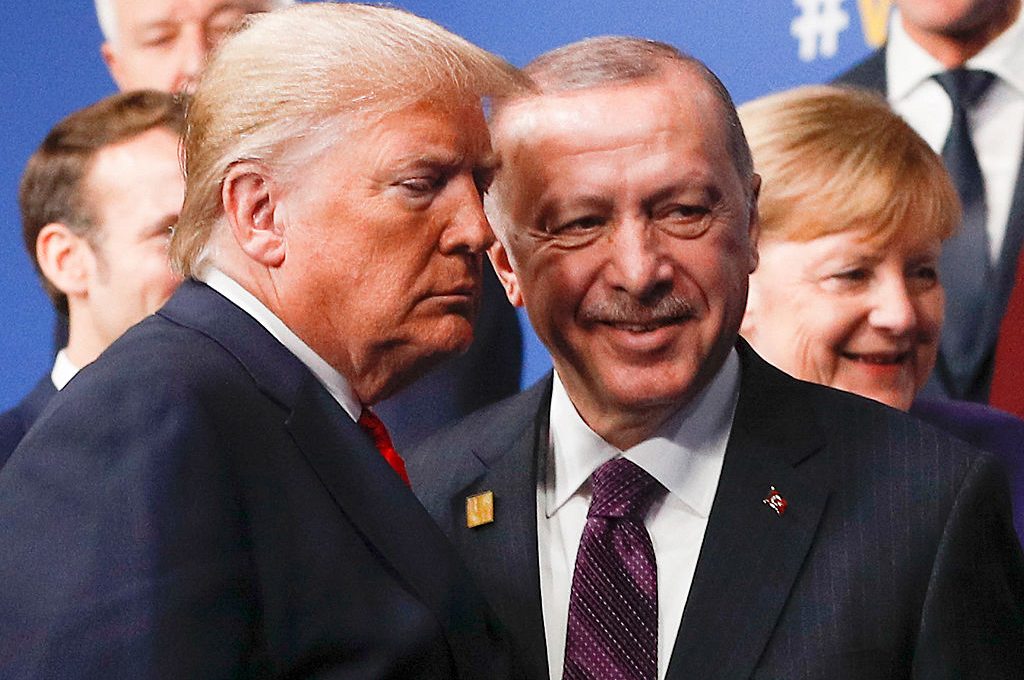
Donald Trump has made it clear that he’s attending this year’s NATO summit in Ankara for one reason only: “respect for President Erdoğan.” Trump told NATO’s Secretary General Mark Rutte last month that if it hadn’t been for the veteran Turkish President’s invitation, “I don’t think I would have gone to it.”
NATO’s summit will, therefore, be dominated by the alliance’s two most militarily powerful and at the same time most problematic members. Trump seems set on pursuing his long-held goal of making Europe pay for its own defense, while Erdoğan is determined to leverage his strategic relationship with the US, Russia and Ukraine to scrap restrictions on Turkish purchases of US military hardware. Top of Erdoğan’s agenda is being allowed to buy F-35 fighter jets, plus overturning sanctions on Turkish arms companies mandated in the US’s Countering America’s Adversaries Through Sanctions Act, or CAATSA. Those sanctions, intended to punish countries for dealing with Russia’s defense industry, were originally passed in 2017 by… Donald Trump.
Turkey has now truly become NATO’s – and America’s – indispensable ally
These days, however, Erdoğan is firmly back on Trump’s list of best friends. The bromance reached a high point last September when Erdogan visited the White House. “We’ve been friends for a long time,” said Trump. “Even for four years when I was in exile, unfairly, as it turns out. Rigged election, you know? He knows about rigged elections better than anybody.” He also praised Erdoğan as “a tough man… highly opinionated.” Trump appointed Tom Barrack, a personal friend and former chairman of his inauguration committee, as ambassador to Turkey – while Erdoğan, for his part, has paid lip service to Trump by joining his “Board of Peace” to oversee the Gaza ceasefire. Trump has turned a blind eye to Turkey’s assault on Syrian Kurds, while Turkey has agreed to stay out of the Iran conflict – which Trump has chalked up as a personal diplomatic win even though there was no indication that Ankara had any intention of getting involved.
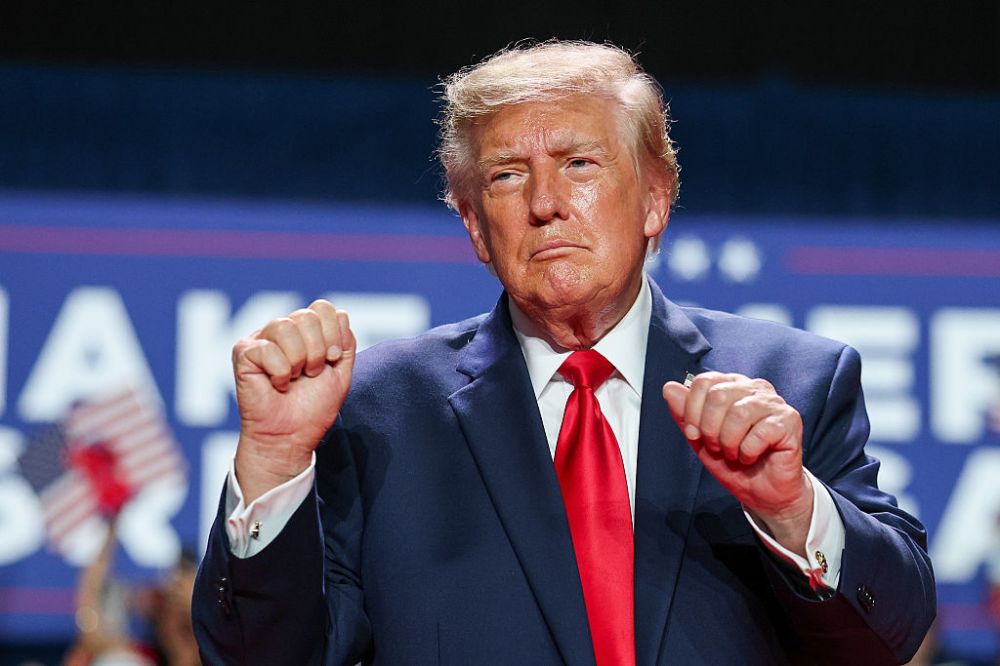
Back during Trump’s first administration, punishing the Kremlin through CAATSA seemed more important than angering Turkey, which as a result of its purchase of Russian-made S-400 air defense systems was cut off from US exports that made up 35 percent of its military industry. Now, in part because of Erdoğan’s skillful maneuvering and partly through the accident of events in Ukraine and Syria, Turkey has now truly become NATO’s – and America’s – indispensable ally. Always a master of playing two sides off against each other, Erdoğan has managed to make Turkey simultaneously a major supplier of arms to Ukraine and at the same time a major importer (and re-exporter to Europe) of valuable Russian natural gas. Erdoğan played a pivotal role in arranging a series of (ultimately unsuccessful) peace talks between Moscow and Kyiv in the spring of 2022, and also brokered a key ceasefire deal in the Black Sea that enabled the continued export of Ukrainian and Russian grain.
The price of Turkey’s indispensability is the West’s silence on its human rights record. In the run-up to this week’s summit, over 200 activists, lawyers and journalists have been arrested in a wave of supposed anti-terror crackdowns. All rallies, demonstrations and leaflet distribution in Ankara have also been banned and Erdogan’s government has even forced NATO to deny accreditation to opposition journalists.
Despite this crackdown, Trump promised that he would “probably going to do something that’s going to make [Erdoğan] very happy” – a likely reference to allowing sales of F-35s, as well as US-made engines for Turkey’s KAAN fighter and the purchase of Franco-Italian SAMP/T missile defense systems.
But more importantly, it’s likely that the idea of Erdoğan playing host to Russian and Ukrainian negotiators – and maybe even leaders – will again resurface at this week’s meeting. On the Fourth of July, Trump spoke to both Vladimir Putin and Volodymyr Zelensky and afterward told journalists that Putin “wants to end it and Ukraine wants to end it… I think we’re getting much closer than people realize.”
Zelensky, who will be attending the summit as a guest, will be concerned that Trump’s idea of “getting it ended” will involve forcing Kyiv to make painful concessions. Trump has already cut US military and financial aid to Ukraine, and a shortage of Patriot air defense ammunition in recent days has allowed Russian ballistic missiles to wreak devastation on Kyiv. However, in Ankara this week it’s not Ukraine, nor even NATO’s European members, who will be setting the agenda, but the alliance’s two most headstrong and intransigent strongmen.






Comments