Football is fond of superlatives. Before this World Cup, column inches dwelt on its excess. Tickets were the priciest ever; there would be the most matches, the most teams, the most players. Amid the noise, many adopted that phrase favoured by Sunday League managers after a 9-0 drubbing: all we wanted was for football to be ‘the real winner’. Let the games begin.

We have been vindicated. The football has delivered and the hyperbole has quietened into background babble. But what could not have been expected was just how good it has been. Ahead of the tournament, naysayers implied it was already a damp squib. Fifa’s greed in expanding the number of participants to 48 from 32 would see each mismatch become a farce. England would sweep past DR Congo. Cape Verde would be flattened by Argentina. Yet precisely these minnows have provided the colour we were desperate for.
The idea of an expanded World Cup was championed by Gianni Infantino – the sport’s leering, omnipresent glutton. He campaigned for it as part of his election to the Fifa presidency in 2016, arguing that more countries should be allowed to compete for sporting (commercial) reasons. Underrepresented confederations were the beneficiaries: Africa and Asia together gained almost half of the 16 new places.
National dreams suddenly became tangible. Previously, Cape Verde would have had to progress through further rounds of play-off matches after topping their African qualifying group – now they got through automatically. Finishing second, the DRC would have been knocked out altogether. This time they had another chance in an intercontinental play-off. They faced Jamaica, a tie that was already unconventional enough before someone made the decision to stage it in Guadalajara. The DRC triumphed 1-0 in front of a few thousand bemused Mexicans.
Considering the relative ease with which they rolled into the tournament, it is curious that these nations have not looked a little lost and become – in football parlance – the whipping boys or cannon-fodder. But Infantino has inadvertently managed to offset the hollow mess the World Cup could have been. The expansion has introduced a set of half-decent teams untouched by elite football’s obsession with data-manipulation and sanitised training regimens. They have been all business. Cristiano Ronaldo’s sour face in the aftermath of Portugal’s group stage draw with the DRC was a delicious sight. Cape Verde qualified for the round of 32, as did South Africa, while Curaçao rather gloriously equalised against Germany.
It is curious that these nations have not looked a little lost and become – in football parlance – the whipping boys
Each of these ‘national’ teams boasts an odd mix of participants. There are still players who the broadcasters solemnly remind us ‘are hardly good enough for our Championship’. Yet these players are backed by a surprisingly equitable Fifa funding system, which sees all member nations, from Brazil to Belize, granted guaranteed payments of $5 million over each four-year cycle.
These workhorses are increasingly united with a few gems – players sourced from the European diaspora. Of the DRC XI that petrified much of the English population for 75 minutes last Wednesday, five were born in France, two in Belgium, two in England, and only two in the country whose shirt they were wearing. Remarkably, 99 players at the tournament were born in France alone. A young man in Paris, say, needs only have a grandparent from Kinshasa for the DRC to be the beneficiaries of that starlet’s glitzy academy upbringing.
After the group stage, the European win percentage against non-European opposition was 50 per cent, down from nearly 70 per cent in 2006. These teams are competitive enough that their showings have come to govern headlines anticipating little more than another month of Kylian Mbappé or Erling Haaland worship. Or which count the number of times Harry Kane squeals ‘yeah’, ‘brill’ or ‘magic’ in a post-match interview.
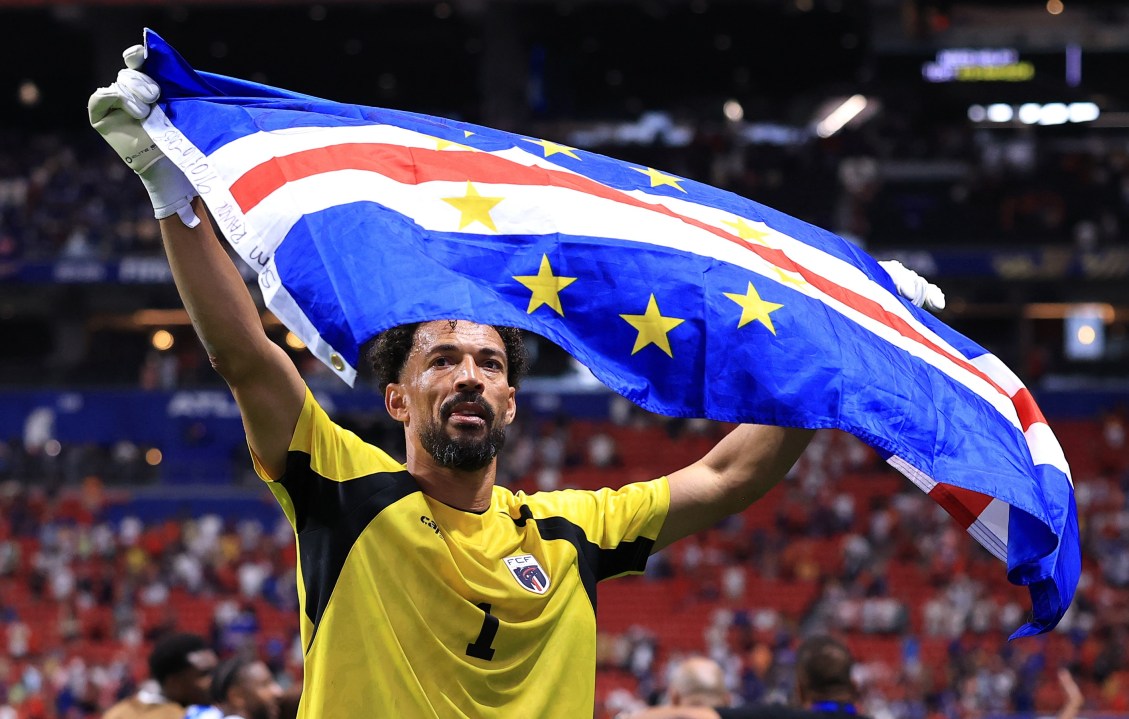
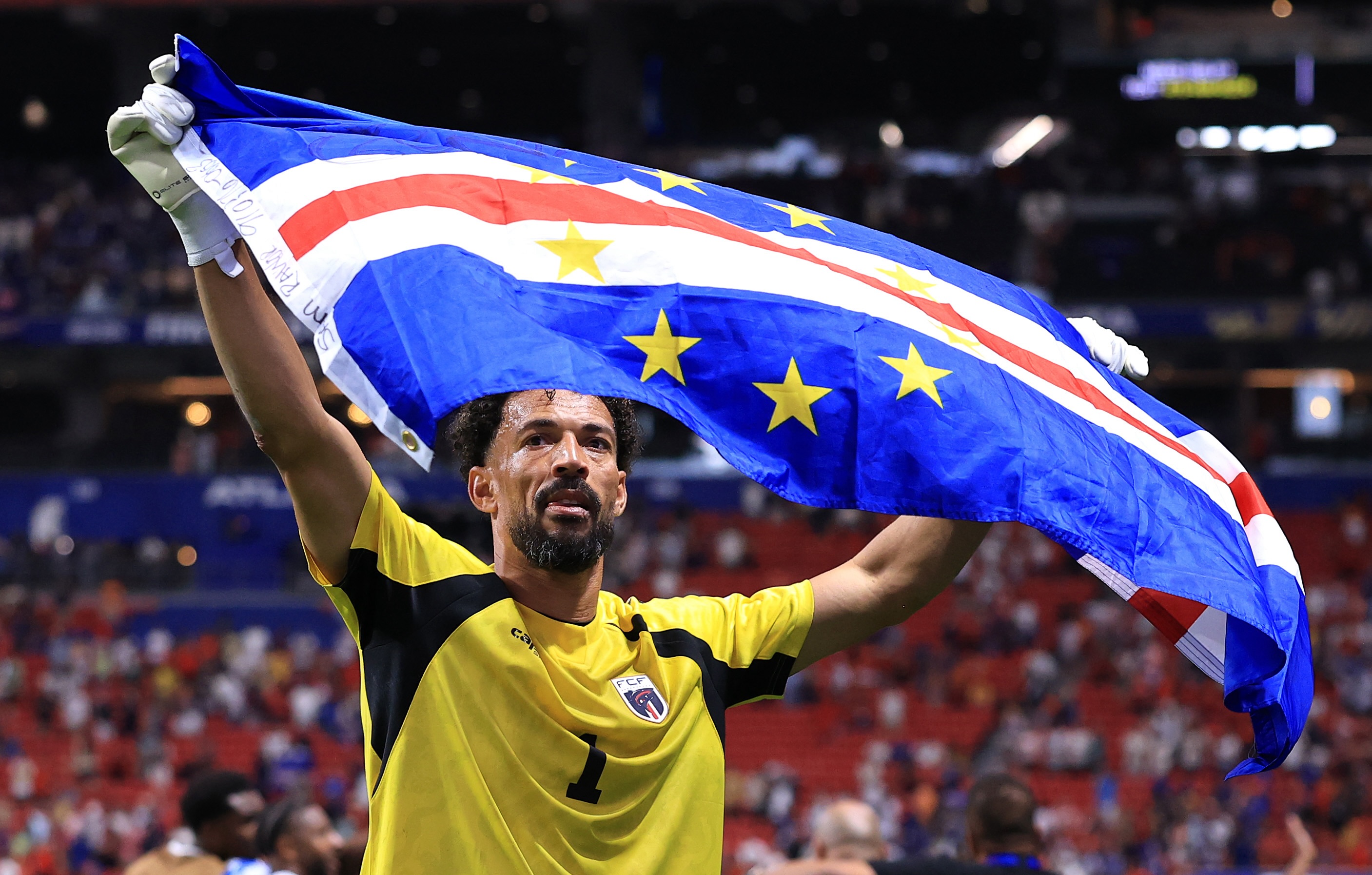
So there have been instances of rare, unexpected romance. Cape Verde’s goalkeeper, Vozinha, is a grizzled 40-year-old, currently unemployed yet still capable of saving goals from the world’s oft-proclaimed greatest footballer Lionel Messi. His defence is propped up by Roberto Lopes, a native Irishman contacted about his potential eligibility over LinkedIn. Similar stories abound for each of the ‘underdog’ nations. Cape Verde may have lost 3-2 to Argentina on Friday but only after a tense, two-hour battle that would have once been unthinkable. The World Cup is meant for these unknowns, caught up in the joyful realisation that they have met the great moment in their lives.
The likelihood is that Fifa will not be satisfied. The superlatives still rule; down the line, it will all need to be bigger and better again, with behind-hand mutterings already pointing to a further expansion to 64 teams. Football distracts from Fifa’s familiar scandals (not least its dastardly decision to lift the suspension on the US’s star player Folarin Balogun after Donald Trump asked Infantino to intervene). Once the tournament is over and everyone looks away, the occluded injustices will again rise to the surface. But, for now, we can forget about that. At the moment, do Vozinha and his new fans really give a damn?





Comments