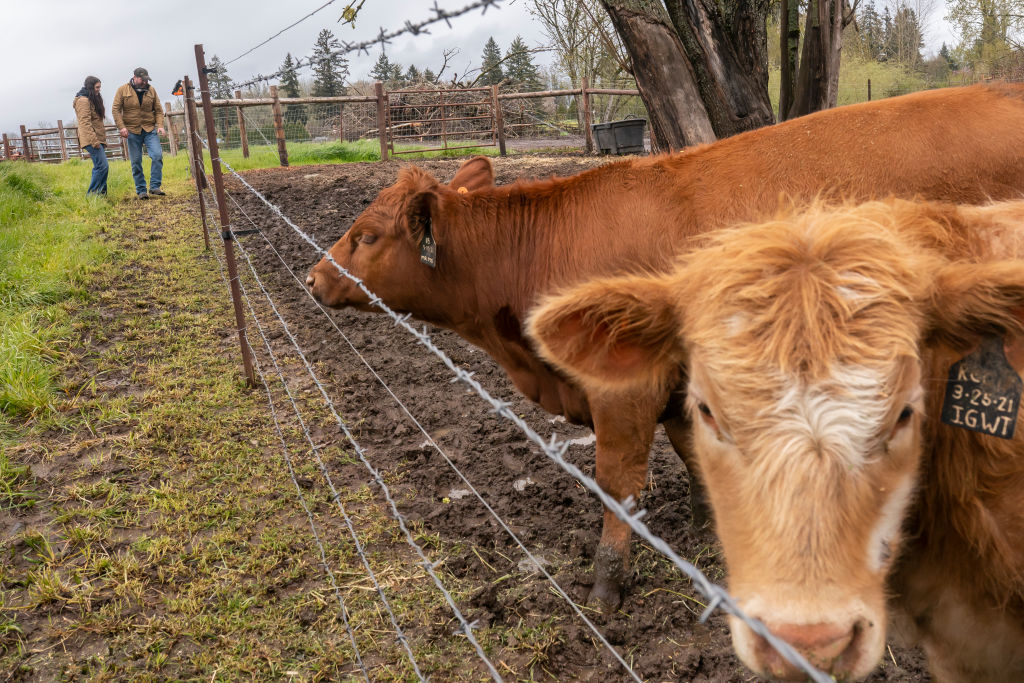
What happens when something you do every day becomes illegal? If animal rights activists in Oregon have their way, the state’s hunters, fishers and farmers may be about to find out.
A sweeping new initiative potentially headed for the November ballot targets the legality of farming, hunting, fishing, ranching, animal sciences, or even killing a mouse that has scurried in your house. Initiative Petition 28 (IP28) would make Oregon the first state in the US to ban such practices.
Initiative Petition 28 proposes the enforcement of the PEACE Act, or the People for the Elimination of Animal Cruelty Exemptions. The act states animals should be cared for “in ways that minimize their pain, stress, fear, and suffering.”
Currently in Oregon, actions which involve lawful hunting, fishing, livestock farming and scientific research are immune from animal cruelty laws. Initiative Petition 28 challenges this legalization.
Major practices affected by the petition would include rodeo procedures, the ability for livestock to be killed or impregnated, hunting, fishing, animal trapping and animal experimentation. The website also clarifies that tribal and treaty-protected hunting and fishing rights would be put in jeopardy.
“IP28 prohibits any activity – other than self-defense and veterinary practices – that intentionally injures, kills, or sexually violates an animal, many of which are currently legal because they are exempt from our animal cruelty laws,” according to the Yes On IP28 website.
The chief petitioner behind the act is David Michelson, a vegan (shocker) and one of the most extreme animal rights activists in the country. Since starting the petition in 2020, he has openly expressed low confidence that it will pass in 2026, but his goal is to shift public attitudes toward animals over time.

The goal of prohibition is to “be protective of the needs of the animals and to codify their right to life and bodily autonomy in law,” the campaign says. They propose less violent, alternative forms of life that do not rely on “abuse, neglect, and sexual assault of animals.”
“If a rancher would prefer to continue caring for animals, there is also the possibility that they could help operate an animal sanctuary,” the campaign website naively says. “At a sanctuary, they could still care for animals, while also letting the animals live out their natural lives.”
The page stipulates that the sale of meat, leather and fur remains protected. In doing so, the actors behind the petition reveal their ill-conceived plan to extend similar legislation across the country.
“This is not because our campaign supports animal product consumption, but because we are focused specifically on criminalizing the practice of killing animals,” the website reads. “Once successful in Oregon, we hope to bring similar initiatives to every state until the killing of animals is against the law nationwide.”
As of May 29, the ballot stands at 126,115 signatures, which exceeds the 117,173 needed to be added to the ballot in November. Supporters have until July 2 to sign the petition – yet signatures are still awaiting verification by the Secretary of State’s office.
While those who support the measure prioritize the wellbeing of animals, opponents are rightfully concerned for Oregon’s economy, ranching and farming practices and food production. The Oregon Cattlemen’s Association, Oregon Farm Bureau and Oregon Hunters Association (OHA) have all released statements condemning the proposal on their websites.
“Initiative Petition 28… would remove legal exemptions protecting hunting, fishing, trapping, and farming from Oregon’s animal abuse statutes – turning nearly one million Oregonians into criminals,” the OHA website says.
The OHA says that more than $1.9 billion a year is generated through hunting and fishing in the state, benefiting Oregon communities. At risk of facing criminal charges are licensed hunters and anglers; employers at Oregon’s 37,000 farms and ranches; wildlife biologists and pest control operators; Oregon’s nine tribes with treaty hunting and fishing rights, and veterinarians and animal research centers.
As a result, in-state meat, dairy and animal production would be in jeopardy, and funding for programs such as the Oregon Department of Fish and Wildlife would suffer. The Yes On IP28 campaign’s website attempts to counter this loss with a transition fund to support those affected in the workplace by the petition.
The proposal has been met with bipartisan disapproval. “I don’t support IP 28 because I believe criminalizing standard agricultural practices and lawful activities like hunting and fishing would be the wrong direction for Oregon,” said Governor Tina Kotek, a Democrat. “As your Governor, I will continue to champion strong animal welfare protections while respecting the long-standing traditions and livelihoods of farmers, ranchers, fishermen, and hunters across our state.”
If passed, America would experience a “no kill or harm” sanctuary state, as said on the Oregon Farm Bureau website, never seen before, essentially redefining freedoms existing in North America since the Pre-Columbian Era. The outlawing of a practice such as hunting, an indigenous method of living for Native Americans, existed well before the state of Oregon.
The OHA website explains that because some signatures will be invalidated during verification, most petitions aim to collect about 140,000 signatures to ensure approval for a ballot. Currently standing at 126,115 signatures, organizers have acknowledged the unlikelihood of it passing, even if it appears on the ballot, due to its extreme approach in 2026.
Still, the mere suggestion of such a policy begs the question: what kind of elitist, radical society would devolve into outlawing its basic biological methods for survival and success?





Comments