Farming

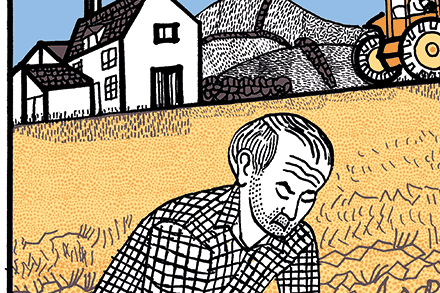
Missing Cowboy, our great farm manager

Life in the country is unforgiving. Animals die, labor is unceasing and nature fights back at every turn. We say losing a beloved horse or a loyal farm dog is like losing a member of the family. But while the pain is real, it’s certainly not the same as losing a dear friend. Our long-time farm hand died late last year. He was not an old man by any means and he had the vigor of a younger man still. By the grace of God, he passed away peacefully at home in the small cottage just down the road from the farm. I’ll call him Cowboy, because in truth, that’s

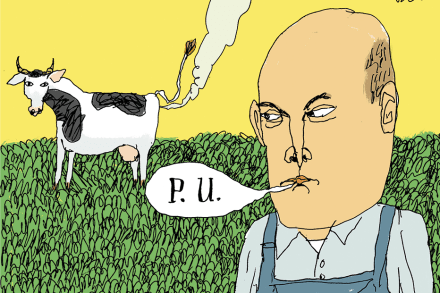
‘Corporate agriculture’ is wrong about cows and methane

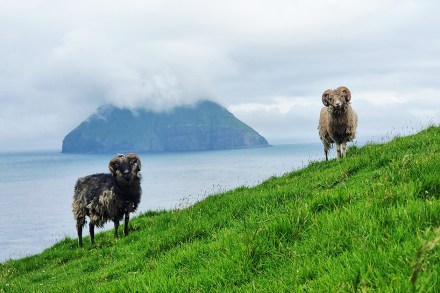
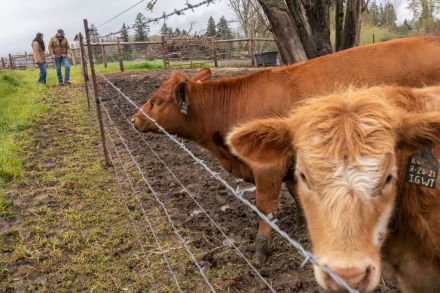
In the 1960s, scientists discovered that halogenated compounds such as chloroform and bromochloromethane could inhibit methane-generating microorganisms, also known as methanogens. This was important because agricultural scientists were trying to make livestock farming more efficient. Ruminants (cows, sheep, goats, deer, giraffes) produce the gas methane when they digest plant matter. Scientists reckoned between 2 and 12 percent of all the energy from feed was being lost as gas. If they could reduce methane production, they could increase yields of meat, milk and other products. In one experiment, feeding chloroform to sheep reduced their methane emissions by between 30 and 50 percent. The results were even more dramatic with bromochloromethane: a