The landscape in which female beauty trends play out is increasingly mean and ludicrous, just when it should be less prone to obsession and caricature than ever before. We should be seeing thick hairy legs on urban streets, not just on LGBTQ activists. We should barely be hearing normal women talking about facial ageing or getting regular poison-loaded needles injected into their faces for the sake of the blandest type of beauty. And we should definitely not be seeing the rise of teenagers making millions from hawking anti-ageing skin products to other children. And yet, here we are. What is obvious is that a female body is still the most powerful asset a human being can have, if presented correctly.
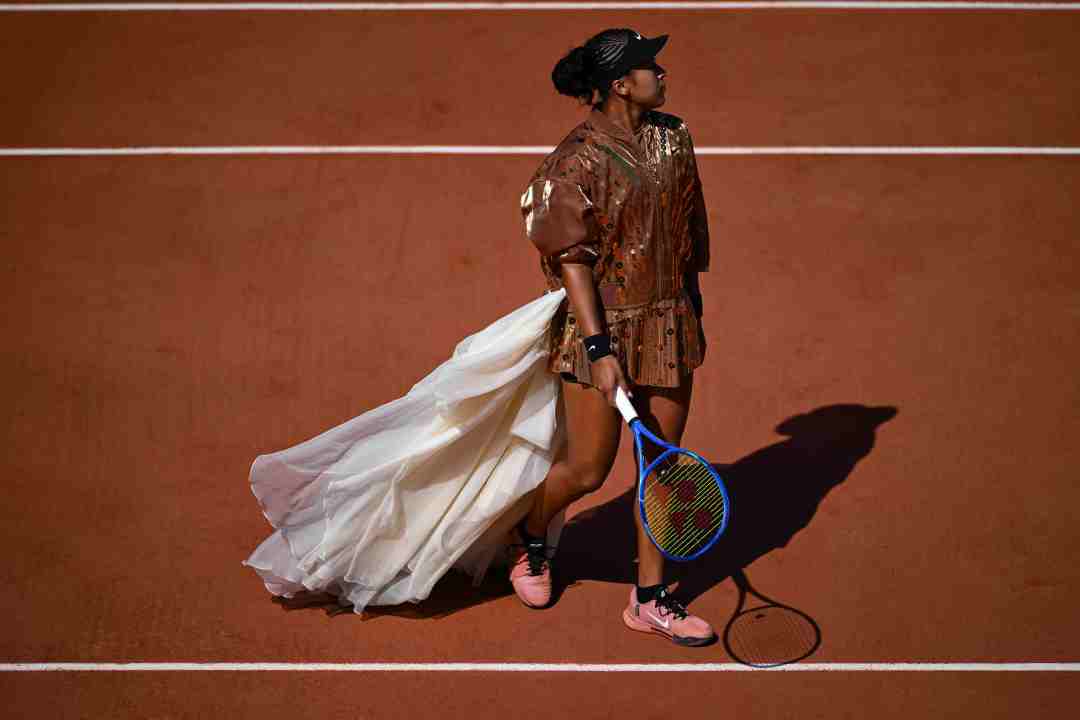
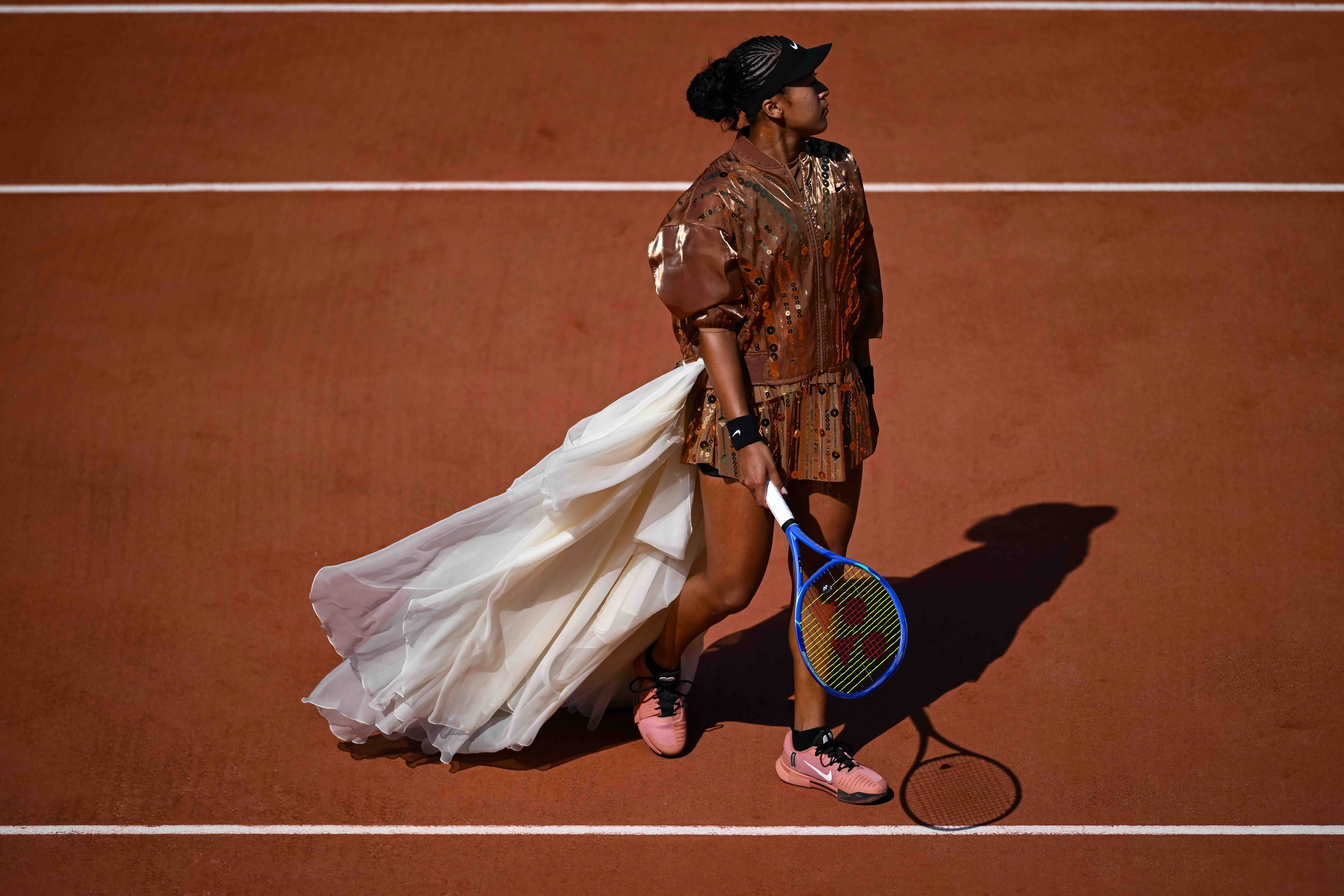
There is something especially powerful, of course, about the female athlete’s physicality, as suggested by the hubbub surrounding tennis star Naomi Osaka sashaying into the French Open in a series of glinting net trains and sexy couture tops – one of which was aptly labeled ‘the Eiffel Tower at night’. Cue much fury and condemnation from traditionalists, sexists, and even her (defeated) first round opponent Laura Siegemund who complained that Osaka’s statement fashion tripled the time it took her to change for the court, an allowance, felt Siegemund, that suggested it’s one rule for them (big names) and another for the rest.
Osaka, who, like Serena and Venus Williams, and the current number one, the Belarussian Aryna Sabalenka, is not a conventional beauty by any stretch. I actually think she’s rather ugly but in the world of elite sport, something strange and physics-bending happens: this doesn’t matter; if anything, it is a virtue. Looks, hotness, attractiveness– for the Grand Slam player, these become only part of the whole, not the main event. In this case, victory, strength, skill, glamour and fame are what sets the woman’s course in the world’s eyes.
It’s a piquant mix, where raw strength and killer instinct – traditionally masculine domains – result in the fatless ideal of feminine beauty and health. Serena, Venus, Aryna and Naomi are examples of female tennis players who look as though they could flatten most men and yet they are magnets for high fashion, branding, selling, and enormous loyal fan bases across all walks of life. They’ve reached the very end of the rainbow that all those botox-obsessed, million-step beauty-routine-following influencers, can only dream of. Indeed, Osaka is one of the most marketable and high-earning athletes in the world. In 2020, she had the highest-ever annual income of any female athlete.
Is this person a warrior? Is she sexually appealing? Is she beautiful, or just magnificent? I think it’s the latter
Osaka’s icon status is a fun, refreshing thing. It shows that there are still other types of ogling possible for women, and that there is perhaps no more thrilling type than that attracted by the 5 ft 11 figure of honed muscle striding across the court, racket insouciantly in hand, corset and cascading pleated skirt coming off to reveal a sequinned bespoke Nike tennis dress that glinted so extremely Osaka worried she might be kicked off court for blinding her opponent.
Is this person a warrior? Is she sexually appealing? Is she beautiful or just magnificent? I think it’s the latter. And so, Osaka madness, and its answer across other sports, offers an important corrective to almost everything else in the ‘womanosphere’.
After all, beauty’s dreams and fantasies still seem to be essentially composed of two types. One is the Lara Croft-Kardashian caricature of bums and waists as extreme a distance from each other as possible, and the other is the emaciated look of tirzepatide, Mounjaro’s magic peptide, overlaid on already-skinny women who do too far much Pilates. Neither of these types seem interested in doing much beyond perpetuating their ‘look’ through extreme regimens.
As for the fashion element of Osaka’s self-presentation on the court, she is not the first tennis icon to ignite a frenzy by breaking the sartorial rules – flagrantly – of the court. One thinks of Serena Williams’s late 2010s run of outfits, especially the black 2019 tutu ensemble designed by Virgil Abloh, now Louis Vuitton’s designer, for Nike, at the US Open in 2018. ‘What I love about tennis is the gracefulness. It’s an aggressive and powerful game but it takes touch and finesse,’ Abloh said. His statements about her outfit, which included a brown off-the-shoulder top, embody that special meeting of the anti-feminine with the frankly gorgeous. ‘The dress is feminine,’ he said, ‘but combines her aggression. It’s partially revealing. It’s asymmetrical. It has a sort of ballerina-esque silhouette to symbolize her grace. It’s not about bells and whistles and tricks. It’s just about it living on the body, and expressing Serena’s spirit with each swing of the racket.’
There are plenty of opportunities for famous women, including simply internet-famous women, to flaunt their most outlandish takes on self-expression. Among these are the recent Met Gala, the art biennales and film festivals, perhaps the Baftas. But those women are all caught up in the beauty trap. Their clothes are their statements, but their thin, passive, conventionally attractive bodies are their currency. Only in elite sport can women leave such strictures in the dust: in the upper echelons of athletic prowess, women become not just goddesses, but akin to gods, too – all power, glory, skill, strength topped off with a bit, or a lot, of haute couture.






Comments