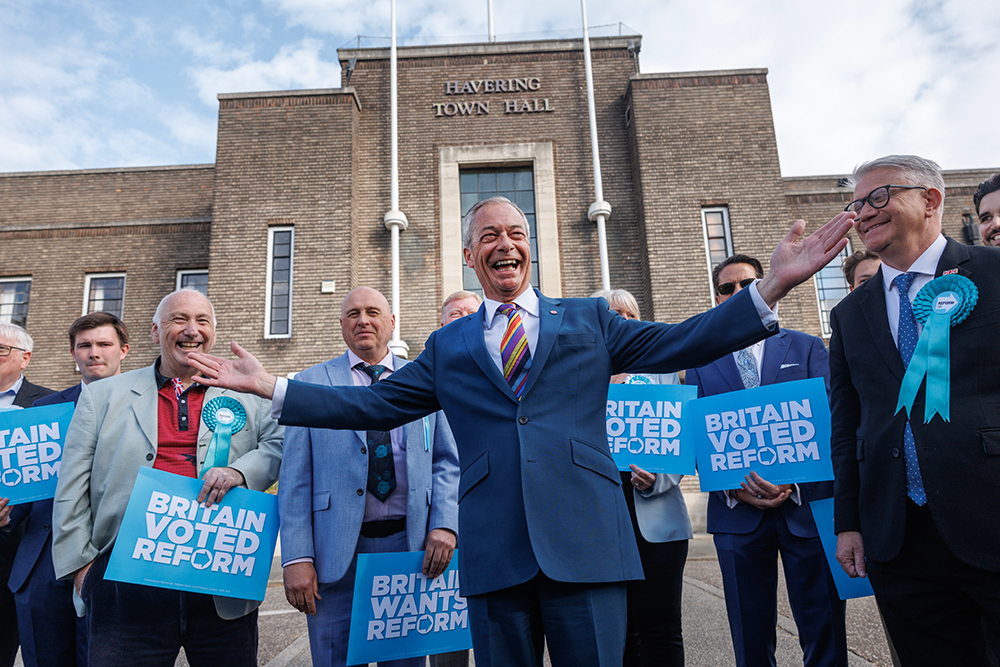


The loudest man in politics knows when to keep his silence. Nigel Farage held his tongue on Monday as Keir Starmer’s premiership floundered. Aside from a few PFLs – proper f***ing lunches – to celebrate the local election results, the Reform UK leader was already looking to the next challenge. Like a shark, Farage keeps moving forward, into new waters, hungry for more. One ally sums up his approach to politics in a single word: ‘Momentum’.
For the past few months, Farage has had one goal: destroying the Tories. The figure ‘1,453’ was the total of gains proudly pumped out on Reform’s Instagram. For Farage, 7 May was the political equivalent of the fall of Constantinople – the point when the Conservatives ceased to be a national party. Norfolk, Suffolk and Essex were particularly targeted: the aim was to knock as many bricks as possible out of the Blue Wall. Robert Jenrick, Reform’s Treasury spokesman, had worked hard to bolster the party’s economic credibility to appeal to ex-Conservatives. It paid off: there was an eight point shift last week from 2024 Tory voters to Reform.
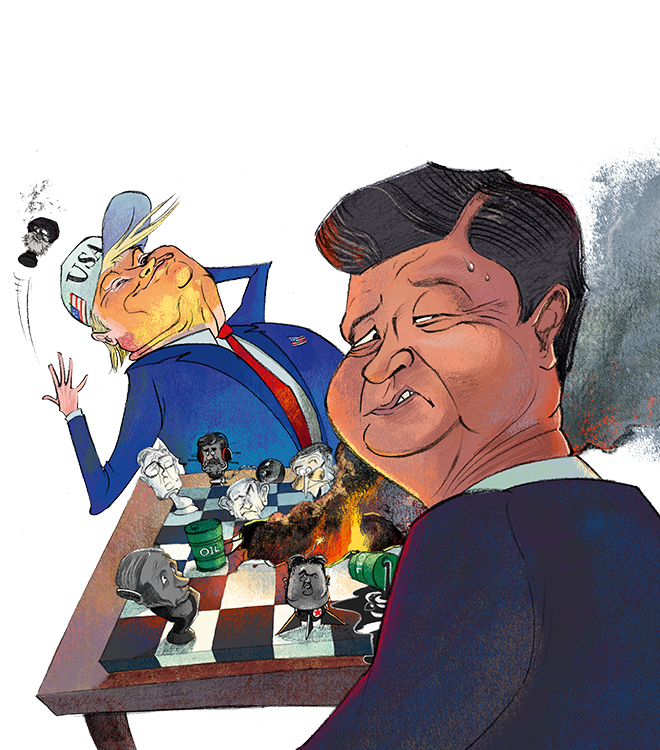
He has the freedom to move around unconstrained, zigzagging across the political chessboard
Now, Farage’s focus is Labour’s heartlands. His speech in Sunderland this week marks the beginning of a campaign to woo the trade unions: an attempt to break the link between Starmer’s party and the working classes, which has been iron-clad for more than a century. After all the talk of ‘too many Tories’ in Reform, the criticism now will be about ‘left-wing Farage’.
It is the kind of audacious pivot that Farage has made his trademark. Take last year: before the May local elections, he positioned himself as an almost apolitical celebrity figure, campaigning on potholes, waste and a ‘Mr Fixit’ approach to government. Then came the summer and a switch to migration, with a remorseless focus on Channel crossings, migrant crime and mass deportations of some 600,000 illegal migrants.
After the push into Labour territory, Farage will return to the now-annual tradition of ‘small boats summer’. Migration has long been the issue on which he has built his success. He wedded it to EU membership, paving the way for Brexit. Now he believes it can be the glue to bind traditional Labour and Tory voters to form a potent coalition.
Like all parties, Reform has two faces: the public one and the backstage one. The latter will likely be restructured this summer while all eyes are turned centre stage. New policy team hires are imminent, and the local government team will be expanded to take account of the swelling band of 2,400 councillors. Jenrick is hiring a new chief economic adviser. ‘The calibre we are attracting now, let’s be honest, two or three years they would have gone to the Tories,’ says one aide. The grassroots mood is being gauged too, with members asked to assess policy and rank their ten favourite party figures.
Outposts are being set up in the devolved parliaments. Central budgets for Reform in the Senedd (£1.5 million) and Holyrood (£800,000) will pay for pooled teams handling policy and communications. Visitors from Millbank Tower, Reform HQ, will liaise every month with the devolved heads to ensure joined-up messaging and campaigning. All councils in Wales and Scotland are up for election next May – a chance for yet more momentum.
Then there is candidate selection for the general election. Those who wish to stand will undergo a three-step process, overseen by Paul Nuttall, Reform’s deputy chairman. The first step involves hopeful candidates submitting a form detailing expectations, experience and any ‘positive story’ about them as an individual. Next, they will be tested on debating, media and teamwork. Finally, one of four individuals will sign them off: Chris Bruni-Lowe, party strategist; Adam Richardson, party secretary; Dan Jukes, Farage’s chief of staff; or Ed Sumner, Reform’s director of communications.
Stopping Farage’s momentum will be the singular goal of rival parties. They will point to his past U-turns: nationalisation and two-child benefit being the Tories’ favourite criticisms. Yet Farage’s team believe he has the freedom to move around unconstrained, zigzagging across the political chessboard. The Tories, meanwhile, face ‘zugzwang’, where any move in any direction guarantees further losses. For all her own personal improvement, Kemi Badenoch’s bind is likened by one Reformer to a ‘failing business, torn between hunkering down on their dwindling market share – or going for expansion at the risk of sacrificing what’s left’.
The Lib Dems again made gains at the expense of the Tories last week, winning the popular vote in councils in areas that have previously elected Conservative MPs: Paul Holmes, Caroline Nokes, Damian Hinds and Greg Stafford are among those now on Sir Ed Davey’s hitlist. In North Chichester, the Tory councillor Jeremy Hunt, who previously held the finance portfolio, lost his seat – a warning to his famous namesake MP in Surrey. The Lib Dems now boast more councillors in south-east England than the Tories.
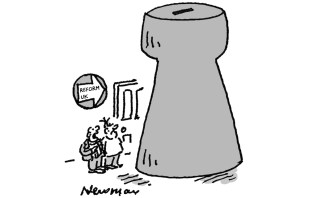
With both government and opposition divided, ‘it’s Christmas day again’, remarks one happy Reform aide. ‘The only ones that can stop us are ourselves’ is a favourite line in Millbank Tower. Critics might retort that they have already had a good stab at it, what with the parliamentary investigation into Christopher Harborne’s £5 million gift to Farage. The Tories are determined to step up their attacks on the financing of the Reform project. But Farage, surrounded by an army of Gen Z and millennials, is adept at providing the stories – or ‘content’ – necessary to keep driving his project forward.
A vision of that future was on display this week when the new devolved parliaments met for the first time. On Tuesday, Reform’s 34 Welsh Senedd members were sworn in together; so big was the group they had to use the old parliament chamber. Then on Thursday, it was the turn of the 17 Reform members at Holyrood under the leadership of Malcolm Offord, the ex-Tory peer.
Faragists, unionists, veteran Reformers and younger blood all mingled together at both: something old, something new, something borrowed and something blue. It was the embodiment of Farage’s politics: the à la carte approach in a set menu world. Now he plans to offer it up to an angry and exhausted Labour movement.

Comments