Virologists, the imaginative bunch that we are, often name new viruses after the places they were first found. Zika virus was initially described in Uganda’s Zika forest, while the Ebola river, flowing through what is now the Democratic Republic of the Congo, needs no explanation for the dread disease documented there.
There are existing case reports of human outbreaks in South America stemming from gatherings and parties. That said, the documented efficiency of the transmission under these circumstances is extremely low
Hantaviruses are chips off the same block. Initially isolated in 1978, they take their name from the Hantan river in South Korea where the first member of what has turned out to be quite an extensive global family of related viruses was documented as a cause of human disease. In fact, the then newly-identified virus was retrospectively linked to outbreaks decades before, of a mystery disease among soldiers who had been fighting in the Korean war.
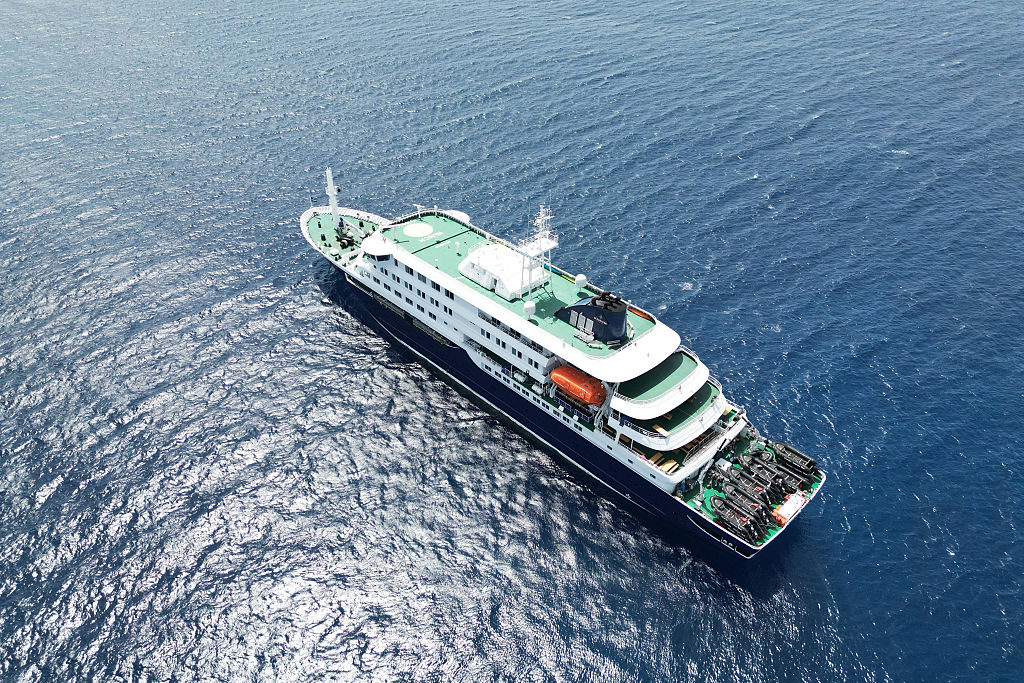
There are now more than 30 different known hantavirus species, and they break down conveniently into two main groups: a so called ‘Old World’ group, which dominates in Europe and Asia, and a more recently discovered ‘New World’ group that circulates in the Americas. It’s this latter group that is behind the present outbreak on the MV Hondius and – genetic tests have confirmed – one species from that group in particular, known as the Andes strain, is the culprit.
Hantaviruses are not naturally human infections. The hosts of these viruses are small rodents, like rats and mice, which carry them harmlessly, although bats, moles, reptiles, and even fish can also pick them up. When we’re unlucky enough to acquire one of these viruses, we’re effectively an incidental ‘dead-end’ host. Being poorly adapted to these viruses, because we run into them so rarely, and because hantaviruses are equally poorly adapted to us for the same reason, the infections they cause tend to be severe. Indeed, infections with the Old World, Eurasian groups of hantaviruses, which are associated with an inflammatory state and kidney problems, can be lethal in up to 15 per cent of cases. More alarmingly, mortality rates approaching 50 per cent are routinely documented with the New World hantavirus strains in the Americas, which tend to cause a severe lung infection, respiratory failure, and systemic inflammatory state alongside other symptoms such as gastroenteritis.
Frightening though that sounds, one reassuring statistic is that, as a rule and probably owing to their poor optimisation for human infection, hantaviruses do not tend to transmit between us. So, as the WHO were at pains to point out this week, they’re not a good bet for triggering an epidemic or a pandemic any time soon. Nevertheless, there is an exception: the Andes strain, which is relatively prevalent in Argentina, is one example where a hantavirus does appear to be able to spread from human to human. There are existing case reports of human outbreaks in South America stemming from gatherings and parties. That said, the documented efficiency of the transmission under these circumstances is extremely low – of the order of a few per cent – and confined chiefly to contacts who had very significant exposure, such as sharing a bed or living quarters, with an infected individual. There were also no onward transmissions to care workers looking after sick individuals in the aftermath, despite patchy and inconsistent use of protective equipment.
So what happened aboard the MV Hondius? At the moment, we cannot say, and as the WHO have reported, ‘epidemiological investigations are on-going.’ But there are several possible scenarios. One is that the eight cases identified so far all acquired the infection ashore somewhere by coming into contact with the rodent source. This usually takes the form of exposure to urine or faeces, which contain viral particles that, when disturbed, are breathed in. These individuals then boarded the boat and set sail on 1 April. The variable duration of the incubation period – which can be up to eight weeks in some cases and is probably shorter with a higher infectious dose – could account for the observed timeline of cases.
A second hypothesis is that perhaps the ship itself is the source via a resident population of rodents, although the company have denied that there are rats or mice aboard, and one would have to wonder why just this cruise experienced the problem.
A third possibility – and the one currently favoured by the WHO – is that one or more individuals acquired the infection ashore (possibly during a bird-watching trip to a rubbish tip), joining the cruise during their incubation period and subsequently becoming infectious during the voyage and transmitting the virus to some of their fellow travellers. It’s possible that the close contact environment aboard a ship could have facilitated transmission like this. Outbreaks with other viruses, like the infamous noro gastro-bug, are well known to spread explosively in these settings.
So where does this leave us? Right now the priority is to identify any individuals with a significant exposure to anyone subsequently confirmed as a hantavirus case. The working rule of thumb is that a person might be infectious from two days before they display overt symptoms of the disease, and peak infectivity probably aligns with peak symptoms. Because the incubation period can be prolonged, contacts will need to be followed – and asked to self-isolate and self-monitor – for a period of six weeks from the time of last contact with a known infectious case. One saving grace is that this can often safely happen in a person’s own home. And should a contact become symptomatic, they will undergo rapid testing – looking for the genetic material of the virus – by PCR. If positive, they will be moved to a specialised unit for isolation and care. There are no antivirals or vaccines to block hantaviruses, so supportive care is the mainstay, and the best outcomes seem to be achieved when this is implemented promptly.
The current stance of health authorities internationally is that there is a very low likelihood that this outbreak will spread further. This is based partly on the argument that this family of viruses has existed for thousands of years, been known to us for decades, caused outbreaks and isolated cases over many years, yet produced only localised problems with very little evidence of onward spread. And hantaviruses also seem to evolve only very slowly, making the likelihood of the emergence of a more significant human threat that much less likely.
All the same, the present situation reminds us that all of the factors that drive the emergence and spread of novel diseases are intensifying all the time: there are over eight billion people on Earth – up 30 per cent in the last two decades alone, urbanisation and population density is increasing, the population is more mobile that it has ever been, facilitating the spread of novel diseases, the environment is being destroyed to support human growth and industrialisation at an accelerating rate, and human animal conflict – which brings us into direct contact with further disease threats – is also growing. So, although we might dodge a bullet this time, it’s wake up call for what potentially awaits if we don’t change course.


Comments