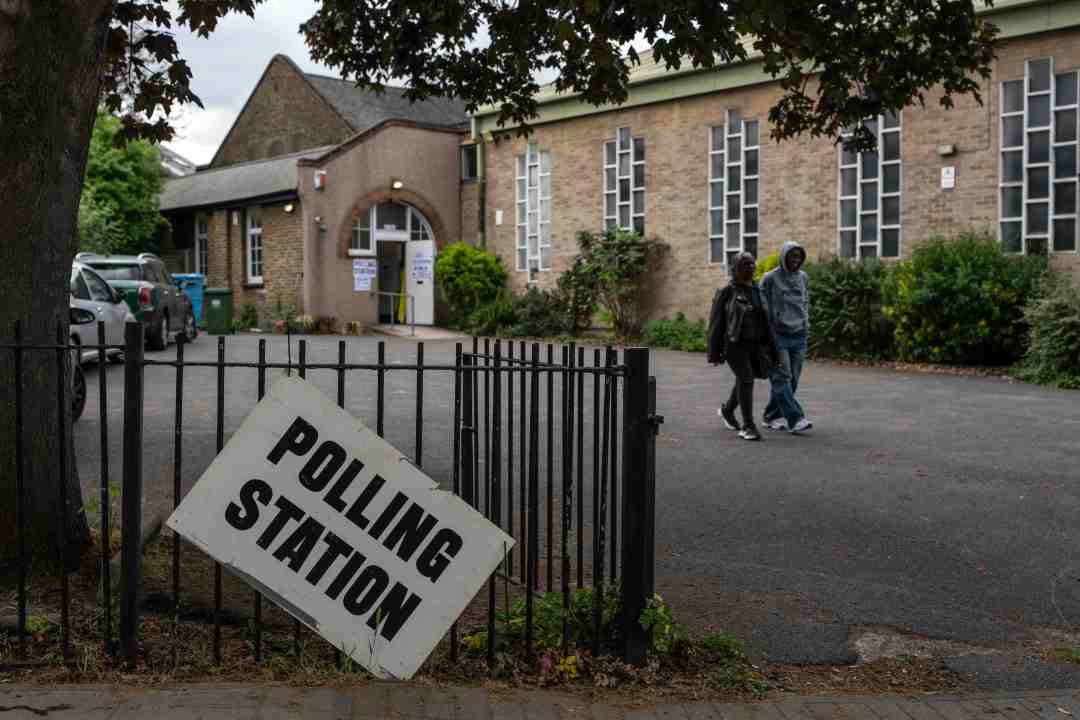
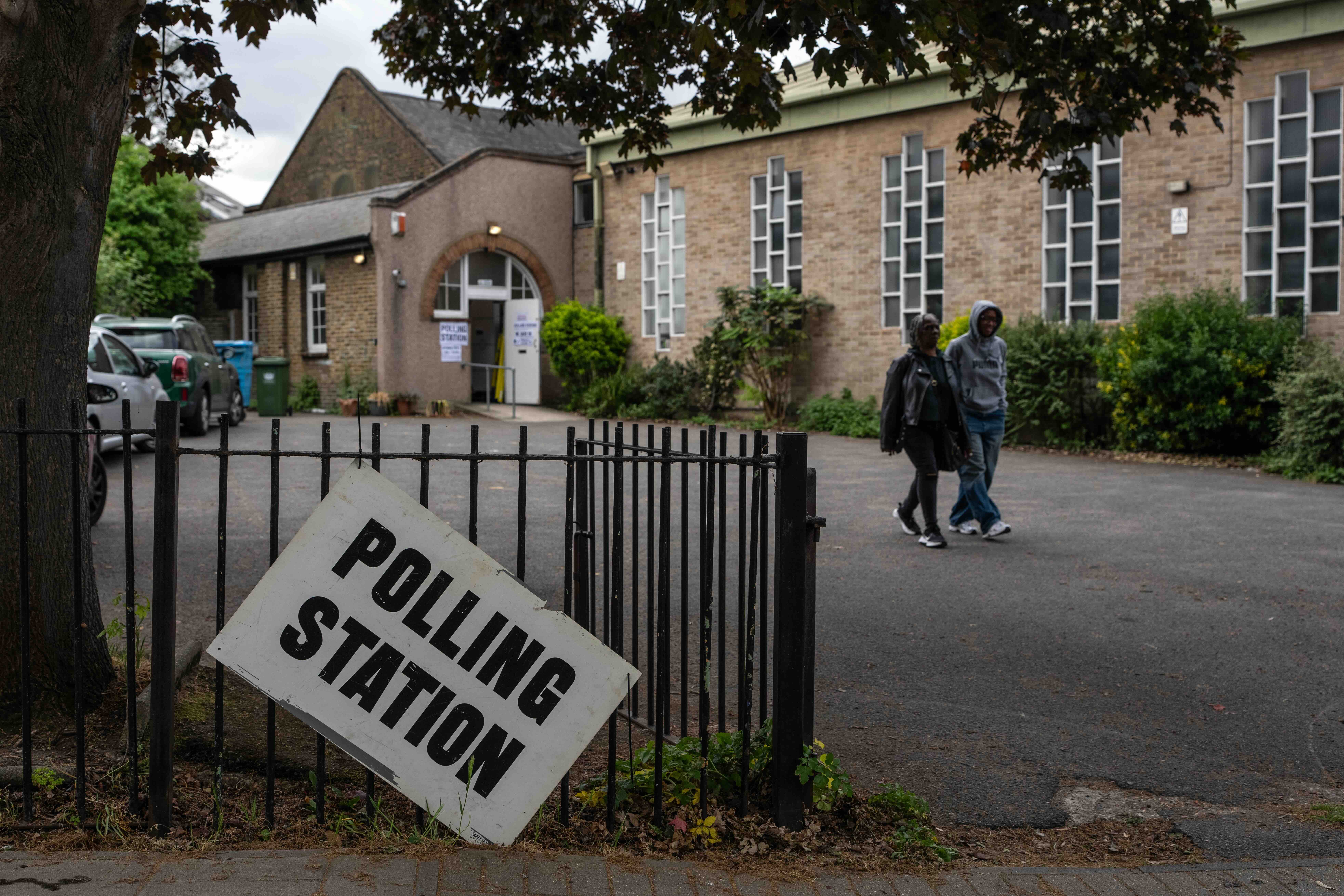
As the results are being announced for this year’s local elections, I am reminded of where I was almost exactly a year ago: standing in Carn Brea Leisure Centre in Redruth, Cornwall waiting to hear my neighbours’ verdict on me and the Conservative party. The Count stalks my memory like I’m Mina Harker.
To be fair, it wasn’t the worst six hours I have spent in a provincial sports hall – it ranks somewhere between a team-building five-a-side football tournament and my GCSEs – and I’m glad I didn’t take the Liz Truss option of waiting in the McDonalds across the street. I had never been to a count, and so didn’t know how much of what we watch on election night is pure theatre.
I had always assumed that when the Returning Officer (RO) read out the results, it would come as a surprise, like when they announce the winner on Pop Idol. In fact, the RO gives the results to the candidates and their agents beforehand, so they can send the tweet instanter; I have a lot more respect for the ‘brave loser’ grins of unsuccessful candidates in the background now I know they’ve been holding them for several minutes already.
Actually you know even before the Returning Officer’s huddle: you are allowed to watch them pile up the votes for each candidate, and work out who’s getting ahead. It’s quite easy to do: the tellers gather ten ballots together and paperclip them; ten paperclips and then they upgrade to a rubber band for the century. So I spent hours watching them, praying for a rubber band – just one rubber band, please God! the Reform guy has three rubber bands already! – a single rubber band would make up for all the hours trudging round door to door in the rain. I haven’t been this excited about rubber bands since I was a cub scout making trebuchets out of lolly sticks.
But once you know what you’re looking for, you can tell even before the rubber bands and the paperclips: like Microsoft Word when it was trying to be user-friendly, the paperclips just state the obvious in an irritating way. The point is to watch the serious tellers. A few of them are obviously council workers who have been drafted in, and they’re pretty hopeless: you watch them look at a vote and then hesitate for a second before they put it in one of the piles they’ve arranged in alphabetical order. Amateurs. The ones you want to observe are the volunteers who’ve obviously been doing it at every election since Thatcher – you’ll recognise them from church or the local soup kitchen or from being marshals at street festivals – and they power through the votes in the manner of a blackjack dealer in Las Vegas.
I had always assumed that when the Returning Officer read out the results, it would come as a surprise, like when they announce the winner on Pop Idol
And you realise the reason they are so fast is economy of effort: someone with that experience behind them isn’t going to move their hand two inches more than absolutely necessary. Instead of alphabetical piles, they arrange theirs on ergonomic principles; the likeliest piles at the front, hopeless cases – unknown independents, Cornish nationalists, Greens (it was 2025) – further away; and they adjust in real time, swapping piles around to minimise their hand movements. You might even be able to tell who is ahead by the direction in which they are leaning – shoulders towards the winning candidate, like weather vanes showing which way the wind is blowing – but I knew for sure it was going to be a wipeout as soon as the Conservative and Unionist party, the world’s most successful electoral machine, was swapped out to the second rank.
I realised then that whenever I’d watched a Count on television and seen a politician say that it’s too early to call – they know. Of course they know. I was observing my son’s old scoutmaster for two minutes before I knew that I’d lost. The Liberal Democrat franchisee beat me by seven rubber bands and eight paperclips.
I was more annoyed about being beaten (by two rubber bands) by the Reform candidate, who hadn’t done any campaigning at all, except for the election address – colour photo and six policies, only one of them possibly within the power of a local council – which made me wonder if I’d wasted my time working up pledges on footpaths and bridleways (separate policies for each). Or on knocking on doors introducing myself as the Conservative candidate – or, more often, introducing the fact that there were going to be local elections. My ex-wife pointed out, rather cuttingly, that I had got one vote for every hour I spent walking the streets of my division. I’ve never got my 10,000 steps in before; I had a couple of months of doubling that every single day.
The one thing that did surprise me was how nice people were: the only people who were rude were those who were marked on my VoteSource app as Strong Conservatives who would generally tell me they were voting Reform and slam the door in my face. The most charming was the Liberal Democrat candidate herself – VoteSource had her down as ‘Undecided’; I only realised when she answered the door that she goes under her married name in real life – but, even after telling me that they hated me and everything I stood for, more often than not people thanked me for standing. I generally took politeness as Possible Conservative – wrongly, as it turned out – but I certainly had more faith in the public by the end. And less faith in the possibility of democracy being subverted by Big Data microtargeting voters.
That didn’t stop me from joining in the traditional litany at the Count: the people have spoken. The bastards.



Comments