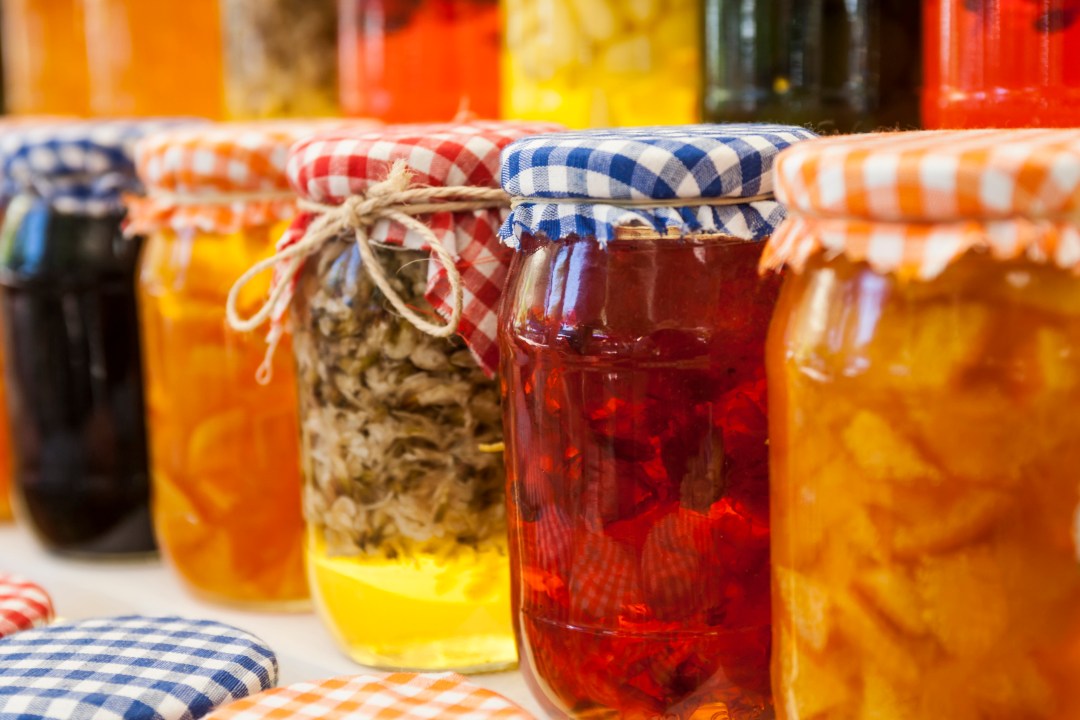
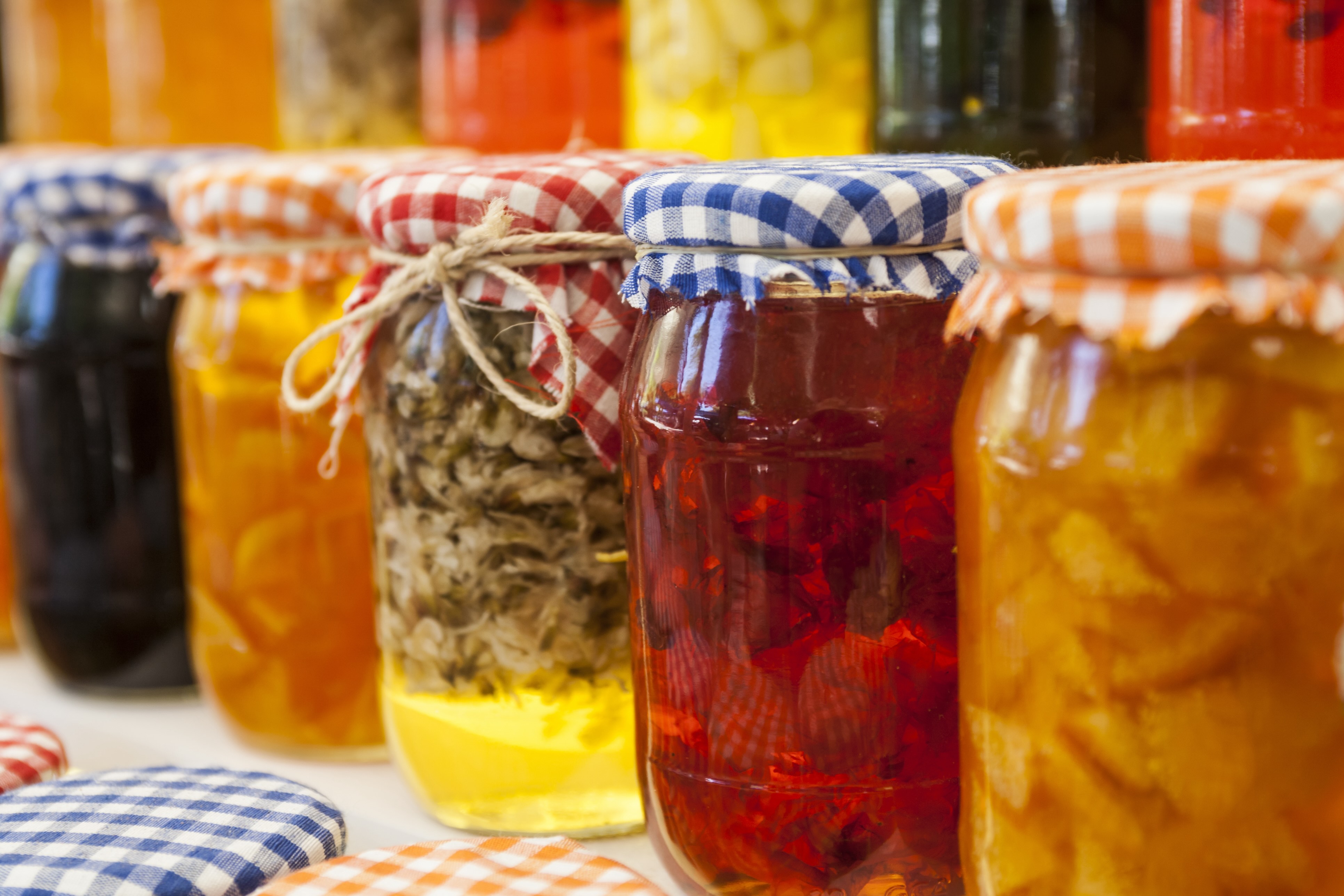
‘Citrus marmalade?’ Well, that’s a tautology, if ever I’ve heard one. I’ve been making marmalade for a long time and written about it extensively. I wouldn’t quite paint myself as a marmalade obsessive (I’ve met them, and I know that I cannot literally or figuratively compete), but I’m certainly a marmalade fangirl. They line my cupboards and are a breakfast non-negotiable. I seek out unusual citrus fruit, and pore over old preserve cookery books. January is officially marmalade-making season in our house and, for the full month, every window is steamed up, every surface is slightly tacky from over-zealous jarring.

So when the news came out recently that there were plans afoot under the government’s planned EU food deal to rebrand marmalade as ‘citrus marmalade’, I almost spat out my citrus marmalade-covered toast.
One of the questions I’m often asked (ok, not often, but several times a year) when I disclose that I have a whole cupboard devoted to the preserve, and have judged countless jars of it at the Dalemain World Marmalade Awards is: what defines a marmalade? And my answer is an easy one: it must be made from citrus fruit. After that, almost everything else is negotiable. And the law agrees.
Marmalade’s legal definition is governed by The Jam and Similar Products (England) Regulations 2004, which stipulates that for something to be marketed as marmalade, it must be a ‘gelled consistency, of water, sugars and fruit pulp, fruit purée, fruit juice, fruit peel or aqueous extract of fruit or any combination thereof, in every case obtained from citrus fruit, such that the quantity of citrus fruit used for every 1000 grams of the finished product is not less than 200 grams, of which not less than 75 grams is obtained from the endocarp.’ Sounds delicious, no?
So, currently, to call something a marmalade in the UK indicates that it’s a citrus preserve. But that is – potentially – set to change. Why? Well, the British are outliers when it comes to preserves. We are singular in our marmalade. I mean that in two ways. First of all, we love the stuff. It’s virtually part of our national identity: Paddington carries a jar wherever he goes; Queen Victoria is credited with its national popularity; James Bond is partial to it. The general consternation that followed the recent news speaks to how strongly we feel about marmalade. Nowhere else sets the same store by bitter orange spread on toast as we do. And secondly, we consider marmalade distinctively different from jam.
Nowhere else sets the same store by bitter orange spread on toast as Britons do
Only in English does marmalade suggest a distinctive or specific preserve. Many other languages use the words ‘marmalade’ or a sister word, but it simply means ‘jam.’ Marmalade in French, marmelada in Greek, marmellata in Italian, marmelad in Swedish, Marmelade in German, and marmelade in Danish – all are generic terms for any fruit cooked in sugar. Even in Seville, where the archetypal and eponymous marmalade oranges come from, mermelada de naranja simply means orange jam, and anyone expecting a sweet-sour, peel-laced preserve will be bitterly disappointed.
So ‘marmalade’ meaning something different from a common-or-garden jam is confusing to an international market. Indeed, the only reason there is something to change is because back in 1970, the UK successfully lobbied the EU for orange marmalade to be an exception to their naming rules. The rules were relaxed in 2004, and then again following Brexit, so that all fruit conserves could be marketed as marmalade as long as the type of fruit is specified. The potential labelling change would come about as part of the proposed EU food deal and would bring the UK in line with these EU rules.
Should we be outraged? Is this the EU tying us up in irrelevant red tape, or Starmer kowtowing to European powers? Well, yes and no. And personally, I’d save my outrage for something more worthy. Of course, this isn’t changing the substance or spirit of marmalade at all; it’s not even really a rebranding exercise. It’s more labelling logistics, which is a headache for producers. A spokesperson for the government responded to the announcement by saying ‘British marmalade is not changing. There is no requirement for retailers or producers to relabel orange marmalade as “citrus marmalade”, and jars on UK shelves will remain exactly as they are today.’ The government’s position is that ‘many British manufacturers already meet international labelling standards voluntarily so their products can be sold overseas – this deal simply supports that trade by cutting unnecessary red tape with our largest market.’
No one, beyond those of us who abhor a tautology, is going to be thrown by the new labelling rules. The inverse possibility – that fruit conserves that wouldn’t traditionally be viewed as marmalade choose to adopt that word on their labelling – seems unlikely, as it would be confusing to the consumer. And perhaps more importantly, no one is saying you can’t call marmalade marmalade, nor are they changing what makes British marmalade so delicious.





Comments