
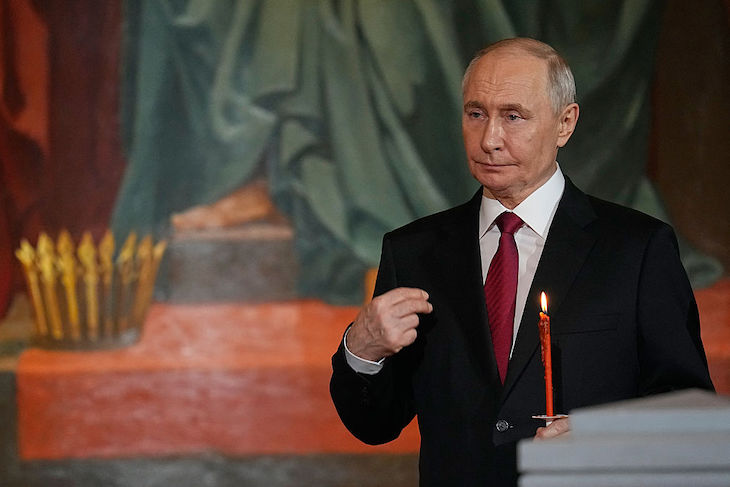
Moscow’s Manezh exhibition hall is playing host to a celebration of the life and politics of Vladimir Zhirinovsky, the outspoken, unfiltered and unrepentantly toxic founder of the nationalist Liberal Democratic Party of Russia (LDPR), who died in 2022. What is meant to memorialize Zhirinovsky’s career, though, also highlights the degree to which the Kremlin is losing control of the nationalist right.
The neatly-choreographed simulation of party politics that has worked for so long is getting harder to sustain
The LDPR – which was neither liberal nor democratic – was established in 1992 and from the first was a populist force that was more a vehicle for the bombastic Zhirinovsky than the expression of a coherent ideology. “Zhirik” was a meme even before the social media age, known for his outrageous opinions and media-savvy stunts. At various times he advocated forcibly retaking Alaska from the United States, suggesting that it would then be “a great place to put the Ukrainians,” and looked forward to the day when “when Russian soldiers can wash their boots in the warm waters of the Indian Ocean.” He even proposed elevating Vladimir Putin to the rank of tsar, something that embarrassed the perpetual president.
Although Zhirinovsky repeatedly stood for the presidency himself, he only ever managed to win 6-8 percent of the vote. That didn’t matter, though, because even before Putin’s election in 2000, the LDPR was not there to win elections so much as to legitimize them.
In the so-called “sovereign democracy” that emerged under Putin – “managed” would be more accurate – the LDPR’s role was to be lightning rod and scarecrow. A haven for the more extreme nationalists, anti-semites and similar forces, but also an alarming spectacle, whose presence allowed Putin and his United Russia bloc to appear sensible and moderate.
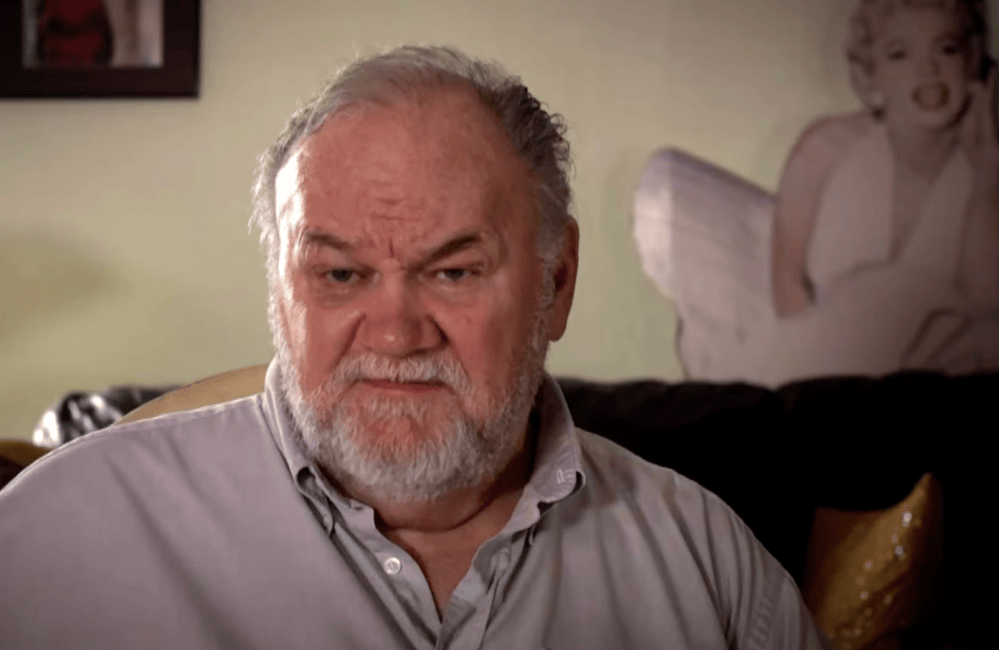
The clownish Zhirik took to this role with enthusiasm until his death from complications following Covid, never being at a loss for some new and ever-more taboo-breaking line. He brawled, spat, and swore in parliament, and after instructing two of his aides to rape a journalist, the best apology he could muster was that he “spoke a bit rudely.”
This is the figure the Kremlin has chosen to celebrate. Yet perhaps this is understandable given his role. His successor, Leonid Slutsky, does his best, having been accused of serial sexual harassment (which he denies), bribery (he has never been charged) and repeated traffic offenses, but he lacks his predecessor’s panache and total lack of filters.
Vyacheslav Volodin, speaker of the lower house of the legislature, described Zhirinovsky as “one of the creators of the multiparty system in our country,” and that is perfectly true, in its own stunted terms. The LDPR remains, along with the Communists, one of the primary parties in the “systemic opposition”, playing the role of an independent party, yet being sustained by subsidies from the Presidential Administration and voting with the government on every issue of moment.
Yet behind the scenes, the LDPR is in crisis. After 24 years in parliament, it can hardly still present itself as the scrappy insurgent. Although there is no rival national party competing for its constituency yet, there is a growing challenge from militarist nationalists who see through the LDPR’s faux opposition politics.
Drawn increasingly from veterans of the “Special Military Operation” in Ukraine or the “milbloggers” who discuss and report it, these new nationalists do not have a coherent platform. Some combine Russian chauvinism with an unexpected enthusiasm for democratic institutions, seeing authoritarianism as having let Russia slide into mismanagement and corruption. Others are neo-Stalinists, believing national salvation demands a strong hand. What they generally share, though, is a sense that Putin is not, or at least no longer the leader Russia needs.
Putin’s main political technologist, deputy head of the Presidential Administration Sergei Kirienko, seems to think that the answer is to hand-pick a collection of Ukraine war veterans to stand for United Russia in the future, to try and co-opt the new nationalists. He is struggling to find figures at once politically credible and yet willing to become Kremlin frontmen, though.
The LDPR leadership, on the other hand, realize that their continued utility to the Kremlin – and the gravy train they have been riding – depends on their being able to capture at least a reasonable share of the electorate in this autumn’s parliamentary elections. Of course, this vote will be rigged – but the Kremlin would rather rig it as little as possible, to minimize the risk of a popular backlash. To this end, the LDPR is starting to campaign on bread and butter issues such as rising utilities bills, topics that do genuinely resonate with the voters, yet which the Kremlin would prefer not be highlighted.
The Manezh exhibition is titled “Zhirinovsky. Continuation. LDPR.” The Kremlin would like there to be a continuation of his political legacy, but the neatly-choreographed simulation of party politics that has worked for so long is getting harder and harder to sustain.




Comments