It is axiomatic that most artists spend the first few years of their career trying to achieve some level of success; the next few years building and maintaining it; and the following period trying to dismantle all the bothersome preconceptions such success creates. After the passing of a further period of time – and by now, perhaps, a little chastened – most artists desire only one thing: to return to that happy, uncomplicated first stage where, they now realise, they had never had it so good. Often, this tactical retreat proves to be significantly harder than they imagined.
You get the sense that everybody involved desperately wants it to be 2012 again
On Mumford & Sons’ sixth album, you get the sense that everybody involved desperately wants it to be 2012 again. That was the year Marcus Mumford’s gang of banjo-plucking, foot-stomping, barn-converting neo-folkies went global thanks to the stirring simplicities of their second album, Babel. For while in 2026 Mumford & Sons can still sell out arenas and shift tens of thousands of albums, the days of having it all laid out in front of them are long gone. We’re definitely not in Kansas any more, boys (even though Mumford, a nice south London chap, sometimes sings as though he is).
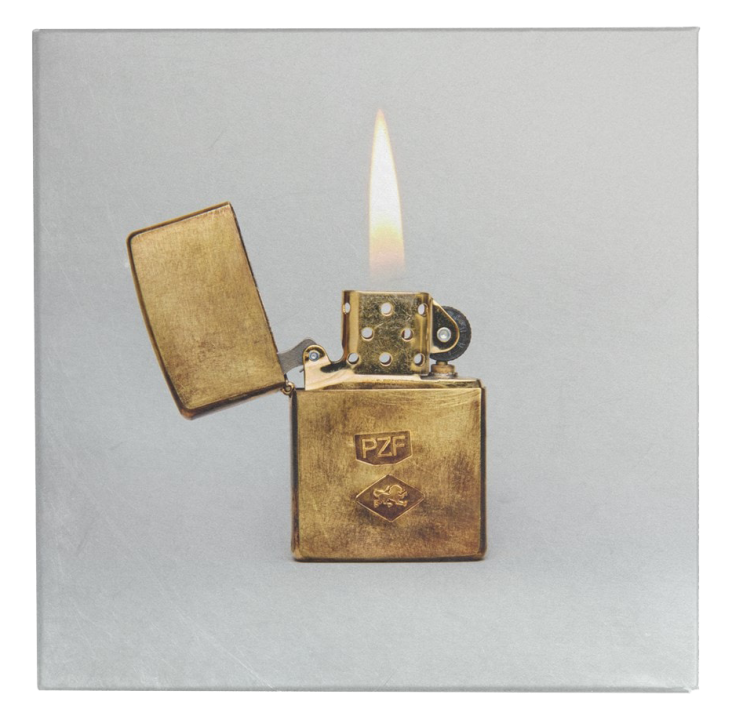
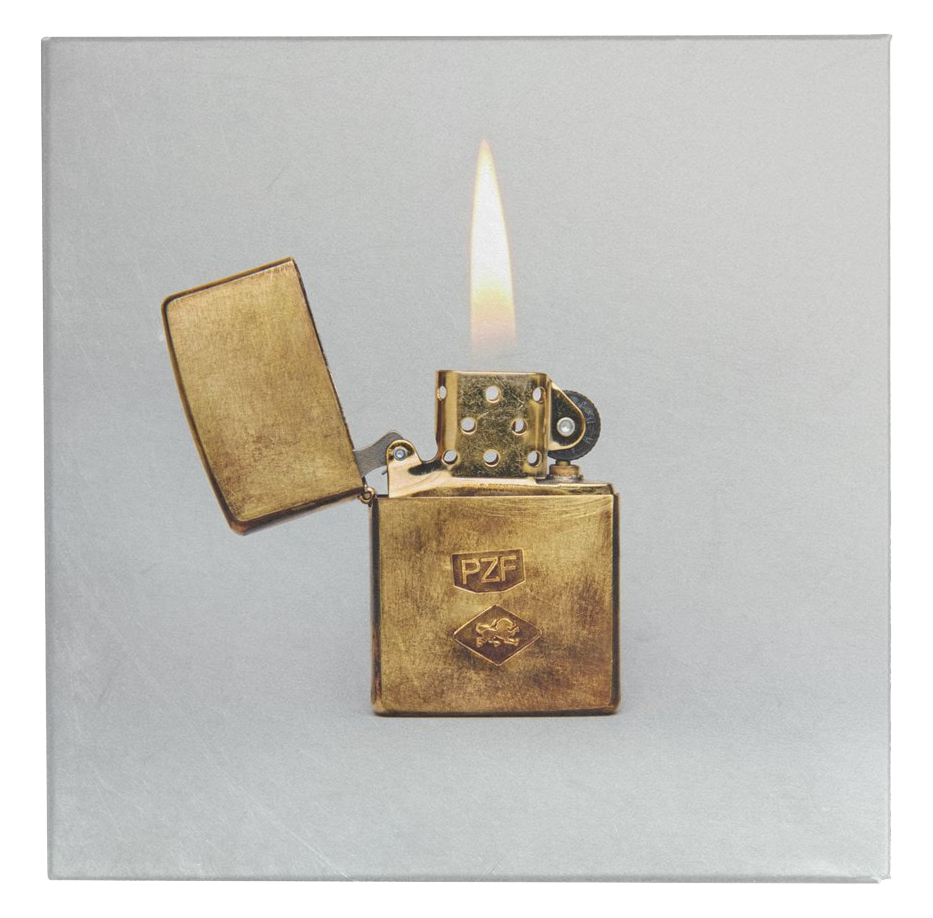
Prizefighter arrives mere months after the last Mumford & Sons album, Rushmere, and was apparently written in ten days flat. If nothing else, it proves that it is impossible to write 14 passable lyrics in any kind of a hurry. The drear earnestness of ‘Conversation With My Son (Gangsters & Angels)’ is even worse than its title suggests. On the tepid gospel stomp of ‘Icarus’, Mumford tells us that he ‘got too close to the sun’. Throughout, sincere banality is piled upon profound life lesson.
As on Rushmere, there is a sense of a band wishing away the years spent on fruitless experimentation in order to get back to basics. While the tastefully gauzy soundscape favoured by co-producer and co-writer Aaron Dessner of The National keeps things warm, organic and immediate – my, how the guitar strings squeak on the title track – the prevailing sense is of tired old ground being tilled. One track is called ‘The Banjo Song’, which seems just a little too close to a self-troll. The anthemic arena-folk bluster of ‘Begin Again’ feels like something they have written many times before. ‘Shadow Of A Man’, to pick one from several possible examples, is similarly generic.
It’s not a bad album. Though often derided, Mumford can sing with both verve and tenderness, and his band know how to build momentum. A few songs rekindle something of the easy spark of the first two records. ‘Rubber Band Man’, which features guest vocals from Hozier, is straightforwardly enjoyable. ‘Alleycat’ has a lithe, sad grace. ‘Here’, sung with country superstar Chris Stapleton, is a chugging campfire homily, simple and soulful, while ‘Clover’ radiates a kind of blissful enervation. ‘The chase is over,’ sings Mumford. ‘I am done.’ Like the rest of the album it is intended, I imagine, to evoke the hard-won peace of a homecoming, but ultimately this is creative stasis masquerading as reclamation.
London four-piece Modern Woman are only just setting out on their journey, and it shows in all the best ways. A short set supporting the always terrific Ezra Furman at the Glasgow School of Art served impressive notice of the band’s forthcoming debut album, Johnny’s Dreamworld, scheduled for release in May.
Modern Woman have a confident, charismatic frontwoman in Sophie Harris, and a crunchy, versatile art-rock approach that incorporates post-punk, folk and classic alternative influences; in 30 minutes I heard echoes of the Velvet Underground, Pavement, Patti Smith and the Last Dinner Party. They’re a touch pretentious, as all young bands should be, and have clearly worked hard to give the appearance of being somewhat offhand and dishevelled.
The line-up incorporated violin and analogue keyboard as well as lots of loud guitars. Though the interplay between abrasive noise and becalmed prettiness was hardly original, it was frequently thrilling. The group’s ethos was distilled into their closing song, ‘Dashboard Mary’, which started tentatively and ended in a raucous squall as the guitarists bashed into one another and Harris crouched on the stage, roaring into the darkness. They looked as if they were enjoying themselves. I hope so. One day long into the future they may try to get back to this time and place, and it will be harder than they think.






Comments