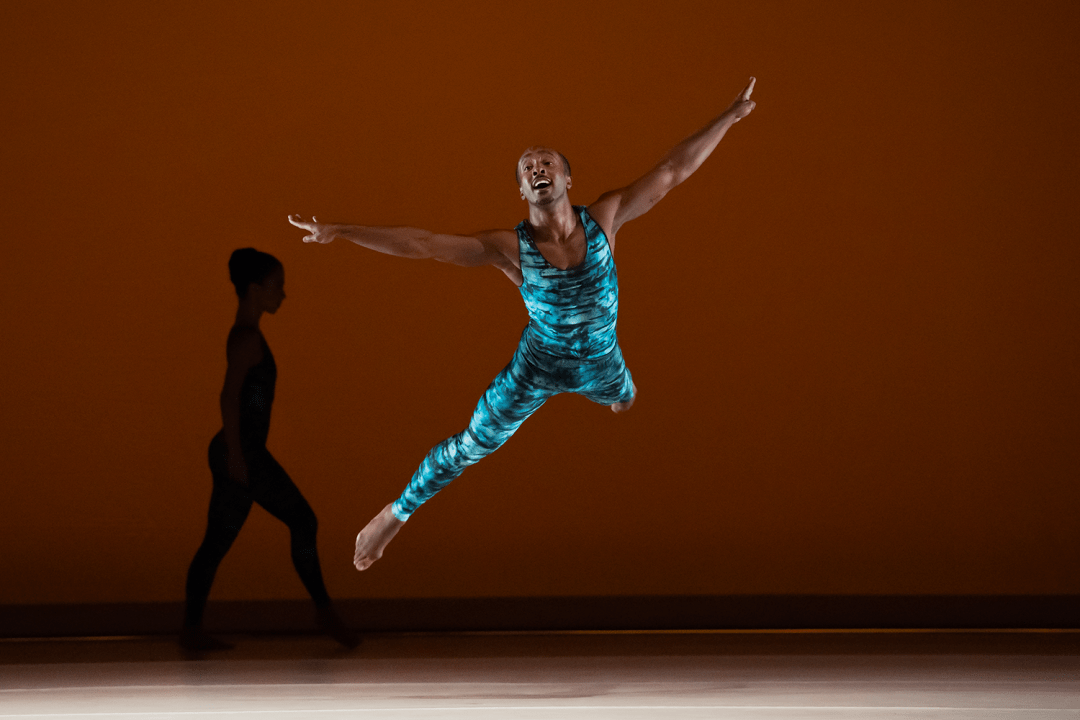
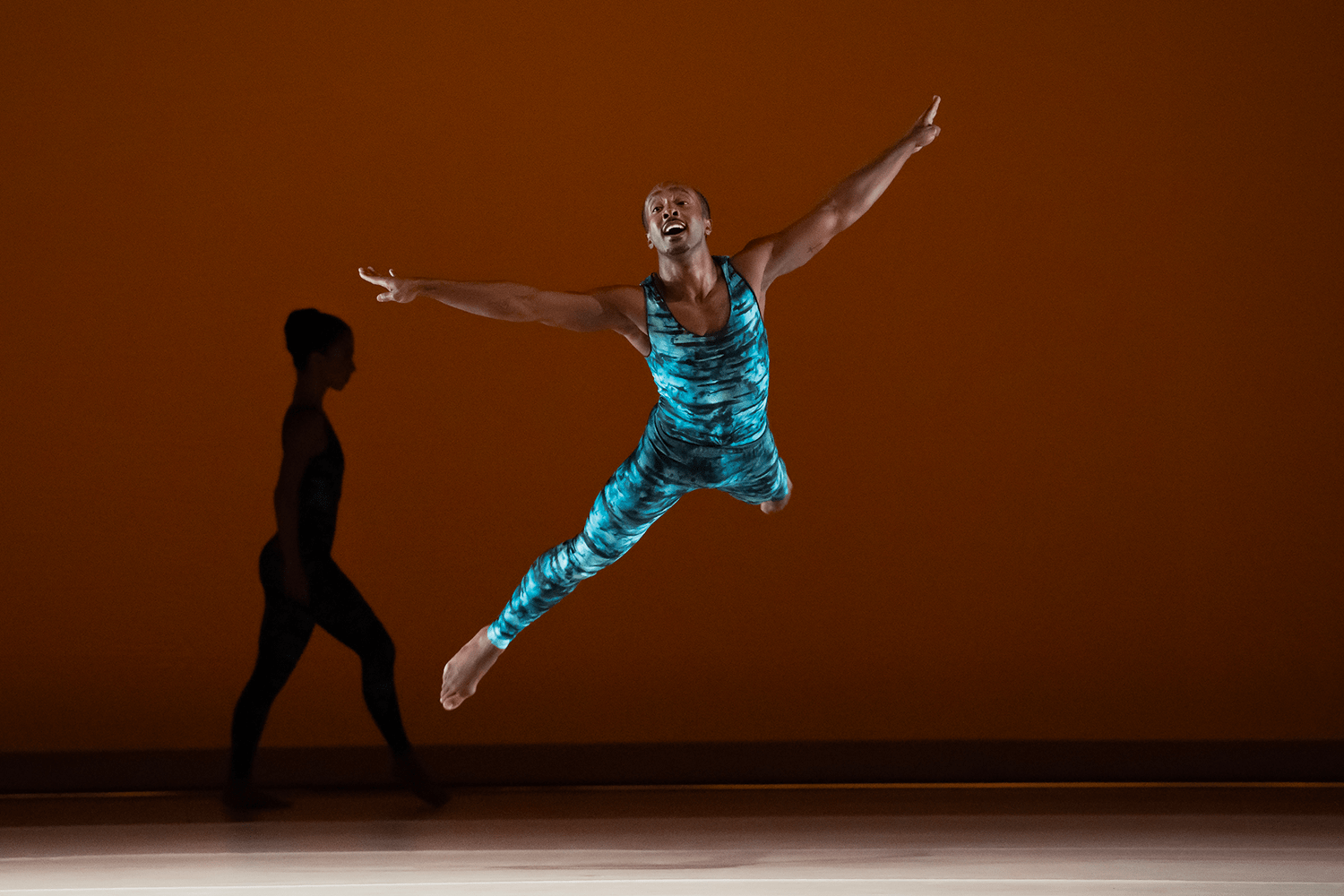
When the American choreographer Paul Taylor died at the age of 88 in 2018, he should have been consecrated a patron saint of modern dance. He had respectfully lifted the pall of earnestness and mythic archetypes that his mentor Martha Graham had stiflingly cast over it, and let the sunshine in. Graham may have been a pioneering genius and an earth mother, but she wasn’t much of a laugh, and after performing in her company as a young man for seven years, he needed a break.
Martha Graham may have been a pioneering genius, but she wasn’t much of a laugh
Fortunately for posterity, he only flirted with the alternative immediately available, the rigorously conceptual postmodernist Judson Church collective led by Yvonne Rainer, which focused on ordinary movement, extemporising and cross-media collaboration. It was 1962, things were loosening up, and Taylor just wanted to be free to dance, and what’s more to dance to music with a beat and a tune: 6ft tall and a champion swimmer, he had something of the upbeat virility associated with Gene Kelly and the minimalism associated with John Cage’s crew at Judson just didn’t do it for him.
Over half a century, Taylor went on to create a wonderful corpus of 147 works, a solid dozen of which will surely endure. The company he created to mount them visited London several times in the 1980s and 1990s and I have fond memories of its seasons at Sadler’s Wells. It returns to the smaller Linbury Theatre after two decades, under new management determined to preserve a heritage and a style as well as commissioning novelties – the latter represented here by two pieces broadly in Taylor’s mode, Robert Battle’s jazzy crowd-pleaser Under the Rhythm and Lauren Lovette’s Echo, an all-male homage to Le Sacre du Printemps.

Both were well-crafted and engaging, but we had primarily come to renew our acquaintance with Paul Taylor. He did not disappoint. There’s a warmth and ease about his choreography – it flows rather than jerks, sometimes with the heedless energy found in a children’s playground – and it doesn’t strain to make statements beyond what the music evokes. Graham’s influence is evident in his use of flattened arms and deep bends, but his dance is always drawn to liberation rather than constriction. Modern dance today has crucially lost his naivete, his capacity for joy, and here it was in abundance.
The exuberant Esplanade is built on simple patterns of walking, running and skipping; Brandenburgs is an affectionate conversation with Bach, shaped both melodically and contrapuntally. Some might find their vocabulary dated – and it was certainly much imitated by the likes of Twyla Tharp and Mark Morris – but I found its simple grace refreshing. Taylor did not set out to stretch or distort human bodies: he evidently liked them too much.
But there was a darker side to his temperament too. Piazzolla Caldera explores the ambiguities of tango and finds an edge of aggression and competition in its accordion smooch. The way that a twosome clinch evolves into a threesome and then a foursome has an animal eroticism that makes the humping on HBO’s ice-hockey romp Heated Rivalry look positively tepid. Taylor’s last work, Concertiana, seems to rage against the dying of the light in an extended solo that bids a painful, reluctant adieu to a beautiful world.
On the first night, discombobulated perhaps by exhaustion of last-minute air travel from a snowbound New York, the dancing was ragged and tense; on the second night, the troupe seemed more confident, adapting to a stage that was slightly too small for them. They are a disparate bunch, of all colours and sizes, and sometimes their happy-go-lucky grins seemed faux and forced. Just feel your pleasure in the dance, I wanted to tell them, there’s no need to semaphore that you’re having a good time. But I hope they return to London soon.




Comments