

They say you should never meet your heroes, a rule that is not always correct. But I did have a salutary session some years ago when a friend in New York asked me if I wanted to meet a comedian I really do admire.
I had been looking forward to the meeting, but unfortunately it took place during the summer of 2020. If you remember those far-distant days, this was a time when America was obsessing over the story of alleged disproportionate police violence against black Americans. One of the cases was that of a woman named Breonna Taylor. Although the case for the police’s actions and the victim’s innocence revolved around a number of issues, the main one was whether officers should have shot when they did. As ever, this involved highly specific ballistics issues and a considerable amount of hindsight. For two hours I sat with my comedy hero discussing post-mortem reports and bullet trajectories.
All this is occurring in a visual culture where if something hasn’t appeared online it effectively has not happened
Certainly I have had funnier meetings. I went away dismayed for a number of reasons. One was the fact that this seemed such a bizarre way to litigate a case. Yes it was important, but is it healthy for everyone to obsess over it in such minute detail?
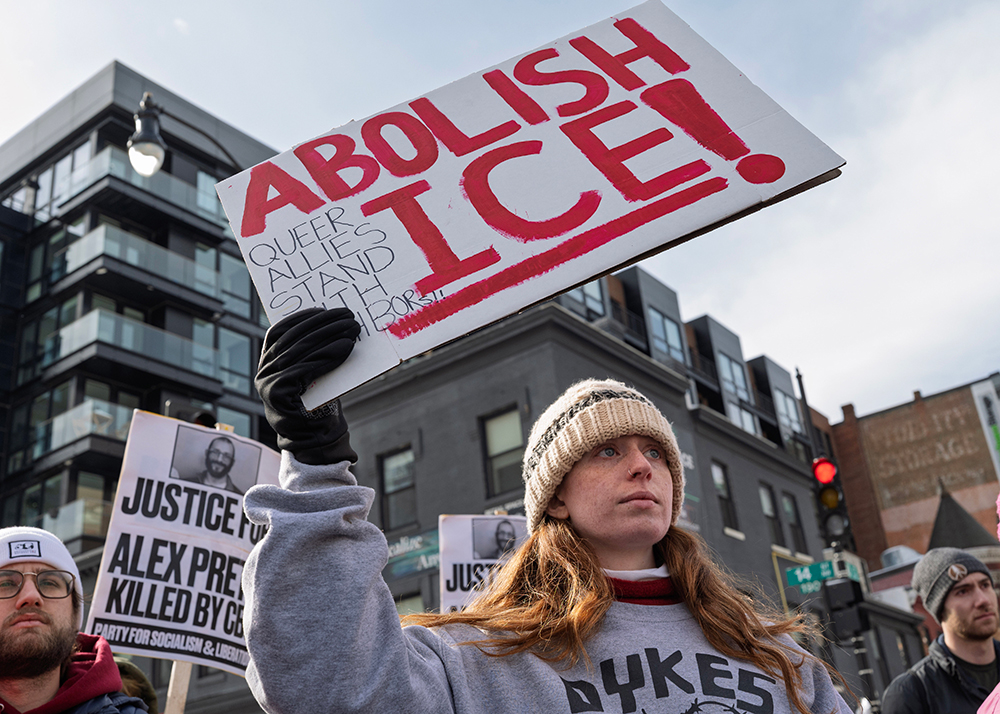
The thought recurred to me this week with the shooting of a second protester by ICE officials in Minnesota. These officials are currently going after a good many people who broke into America illegally and have then continued to commit other crimes while in the country. The point of why the American taxpayer should continue to fund and allow this is a sore one for many. Other Americans – mainly on the left – believe that ICE either should not perform these raids, or should conduct them with a greater degree of decorum. As a result, prominent Democrat politicians and others have been encouraging protesters to stand in ICE’s way, something which already led to the death of Renée Nicole Good three weeks ago.
The nature of this second shooting – of an anti-ICE protester called Alex Pretti – has now returned America to the ballistics obsession. Online rumors claimed that the ICU nurse had fired at officers with a gun he was carrying. Then it was suggested that his firearm may have accidentally discharged.
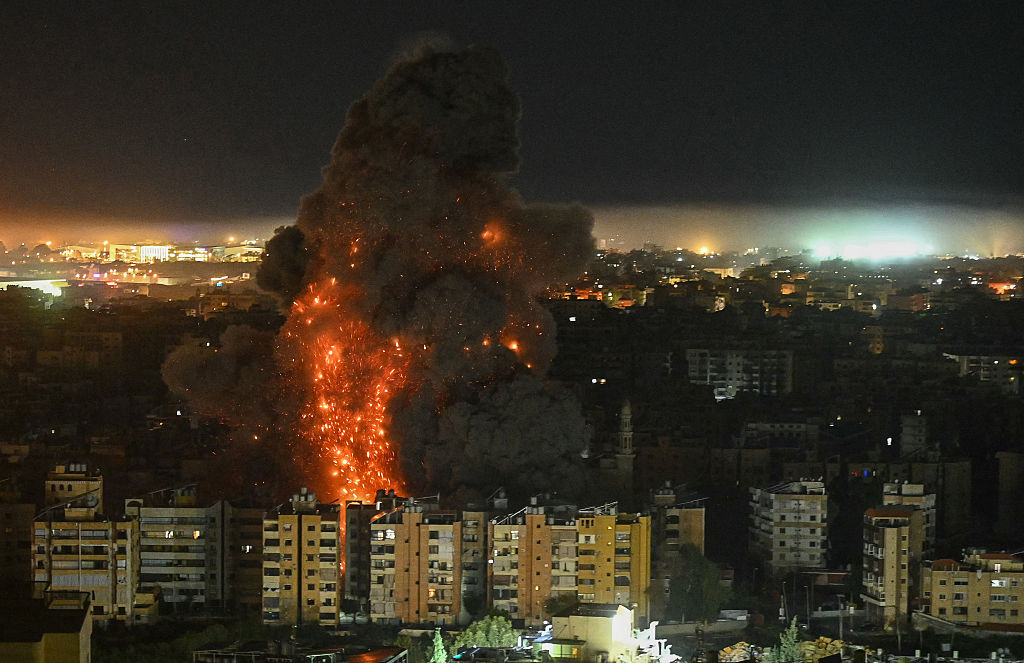
The story has led the bulletins around the world. And it made me wonder again about this state of things. Yes, it is important to Americans who their federal officials take shots at, and why. But why are these cases getting so much more attention in the news cycle than, say, the reported shootings of tens of thousands of brave protesters on the streets of Iran?
The answer is, in part, a very simple one: visuals. As with the handful of black people killed by US police during the 2010s, these recent ICE killings benefit from taking place in a society where almost everyone owns a phone camera. Think of the number of angles the world was able to see of the death of George Floyd. Members of the public had cameras; police turned out to have bodycam footage.
It is the same with those killed while trying to monitor or stop ICE going about their duties. Within minutes of the event, the news has gone around the internet. People are able to analyze the footage for themselves and reach their own conclusions. Then a second angle video comes out, sometimes a third and so on. Law enforcement officers’ footage will emerge, too. Within 24 hours everybody can be an expert, not just on the shooting, but on how differently they might have reacted were they the federal agent in such a situation coming across a handgun.
Which returns me to the subject of Iran. Why hasn’t there been a greater global outcry about the untold number of protesters being gunned down on its streets by regime thugs intent on suppressing the anti-regime movement? Why, even weeks after Donald Trump gave warning that the world would not stand by and watch Iranians being massacred, has nothing been done to support the protests?
I am afraid the explanation is that we haven’t watched the violence unfold in real time, because of a difference between free and unfree societies. Censorship works. If you search online, you can find footage of the aftermath of the Iran massacres. There are even some tapes that appear to show the Basij militia and other regime forces taking aim at the crowds. But the mullahs were clever at the outset of these uprisings. They turned off the internet and other communications channels, and as a result the world has had to rely on small bits of footage smuggled out by dissidents.
All this is happening in a visual culture where if something hasn’t appeared online then it effectively has not happened. What are mere reports of tens of thousands of Iranians being killed if we lack the visuals?
Of course, one reason for the lack of balance is that the violence is happening in one country – America – and the other in a theocratic dictatorship. But it is also the fact that when the mullahs flick the switch and carry out massacres in effective darkness their trick works. The US President and others warned the Iranians not to execute protesters in public. There was talk of the suspension of some public hangings. But there has been no reported let-up in the public shootings of thousands. The only thing we have lacked is the crucial footage of every interaction that might have caused the world to feel forced to know – and act.
More footage is coming out. The window seems to be closing when outside intervention, plus the domestic pressure inside Iran, might have coalesced. If that is the case then it is obviously a tragedy for the Iranian people. It also says something tragic about our own culture. Dictatorships manipulate – that is their operating procedure. But for us to allow ourselves to be manipulated is another thing entirely.


Comments