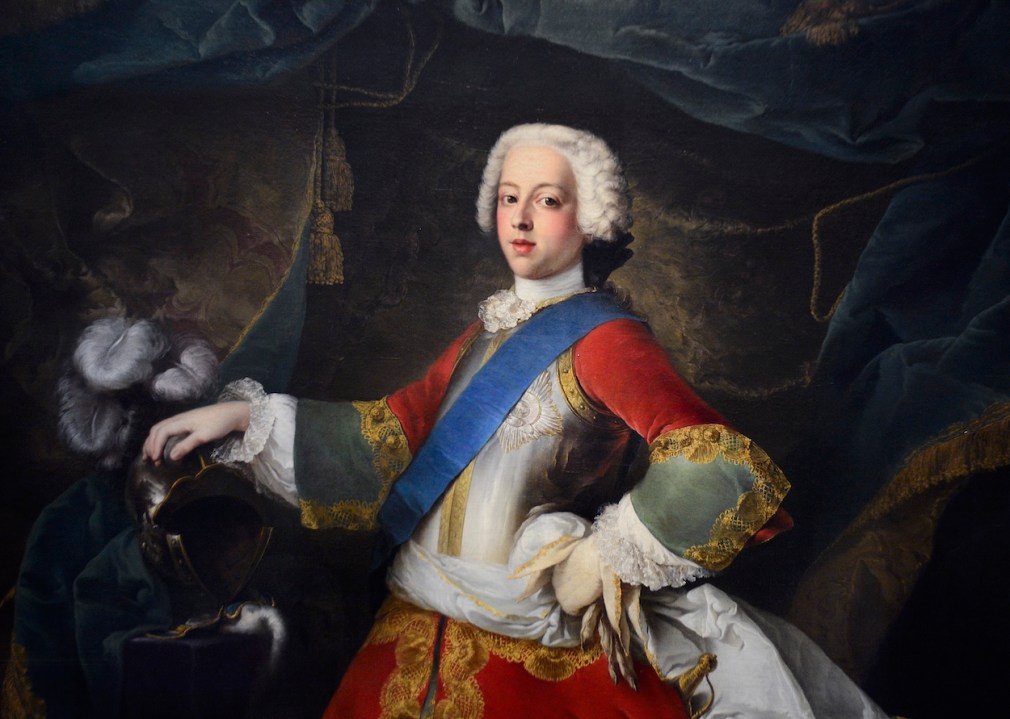
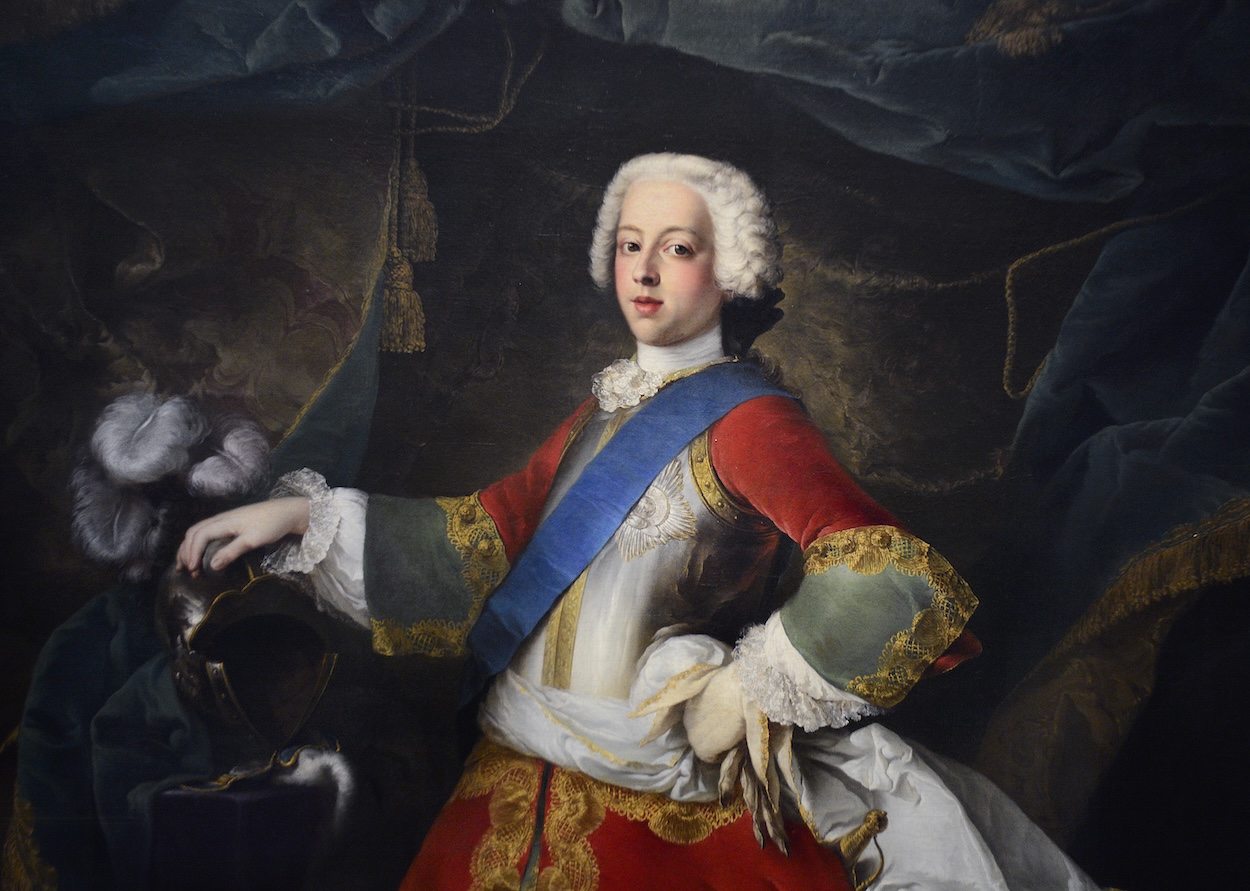
When did you last visit the National Portrait Gallery? If, like me, you haven’t darkened its doors since it reopened following a £43 million makeover and expansion in 2023, stand by for a shock.
Instead of being just a selection of the famous faces featuring in our island story – the politicians, poets, scientists and showbiz giants who did their bit to make Britain great – the NPG’s collection is being deliberately diluted to provide a portrait of ‘ordinary people’ who make up the tattered fabric of the nation today.
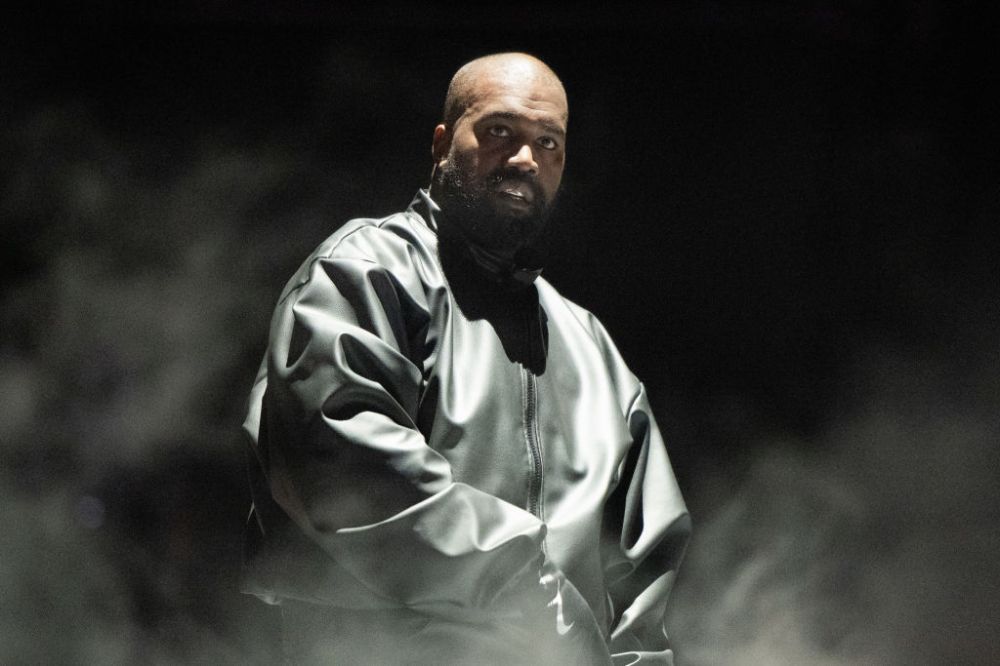
I made my first visit to the gallery since it reopened this week. It used to be my favourite London cultural haunt, and it is still a magnificent repository of 12,500 painted and sculpted images of the (mainly) great and good, along with a quarter of a million photographs of prominent people who have featured in headlines since the 19th century.
It isn’t only a collection of famous mugshots, however; it is also a showcase of works of art by great artists portraying themselves and other artists: Millais portraying Ruskin, for example, or Rodin’s great head of W.E. Henley (he of ‘I am the captain of my soul’ fame). You will find in the NPG the only authenticated image of Shakespeare painted in the Bard’s lifetime, and a fine picture it is too – the so-called ‘Chandos’ portrait.
So there is still much to praise in the gallery, but there has been a definite change of tone since the refurbishment of the venerable old place, much of it reflecting the idiocy that we all now live and labour under.
Why, for instance, are we subjected to seeing Harry Styles in a flowing lacy skirt? Or a mediocre Labour minister like the late Mo Mowlam portrayed on a giant canvas approximately ten times the size of a minuscule portrait of Thomas Hardy?
The NPG was founded in 1856 – at the acme of the Victorian age whose values it embodied. One of the founders was the Scottish philosopher and historian Thomas Carlyle, who famously opined that history consisted of the biographies of great men. Poor old Carlyle still has his portrait – doubtless kept reluctantly – displayed in the gallery he helped to create, but his elitist and sexist ideas, of course, do not sit well with today’s. A disapproving caption next to G.F. Watts’s portrayal of the great man calls the sage of Chelsea ‘racist’.
The gallery moved to its present premises, tucked in at the side of the National Gallery like a guilty afterthought, in 1896, and the latest makeover saw its footprint grow by a fifth by converting redundant offices to gallery space.
There has been a definite change of tone since the refurbishment
The extra space has not, however, been put to best use, since the latest images on display are mainly not of the scholars and soldiers revered by the Victorians, but the powder-puff celebs we worship in our debased culture today. Darwin and Kipling are still clinging on, but LGBTQ soap stars are coming up fast on the inside track.
The usual mania to insist that black Britons have always played a prominent part in the history of our islands has been given its head in the makeover. Quite rightly, distinguished ethnically black Britons like Johnson Beharry VC and the composer Samuel Coleridge-Taylor are here on merit, but so are a score of anonymous Hackney residents who have earned their place on the walls not for any deeds that they may have accomplished, but because they represent everyday lives.
The new-look NPG represents, in a nutshell, the clash between elitism and egalitarianism. The curators who decide on the images are conflicted between their desire to present the lives of the mass of folk who are not geniuses, and a reluctant admission that those who are on show here have earned their place precisely because they are more talented than the rest of us.



Comments