The Spectator’s Energy Summit 2019
In association with National Grid.
David Attenborough is making the same mistake as Greta Thunberg
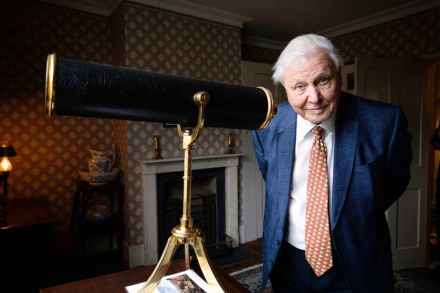
It wasn’t so long ago that Sir David Attenborough came across as a calm voice of reason. His much-admired documentaries touched on environmental issues but were not driven by them; they were not morality plays. But something seems to have got into Sir David. He has become a Greta of the third age. The rot set in last April when he narrated a programme on climate change which used the same, tired old trick Al Gore has used: running a commentary on climate change against pictures of hurricanes, wildfires, droughts and floods, as if to plant in the viewer the idea that all these events were caused by, and therefore wouldn’t have happened without, climate change.
Channel 4’s climate change debate was a sham
I’ve seen some mad political debates in my time, but none as bonkers as last night’s climate debate on Channel 4. It summed up beautifully how unhinged climate-change alarmism has become. It wasn’t a debate at all, in fact. Everyone in the studio agreed that the end of the world is nigh, that mankind is polluting himself out of existence and that if we don’t take action right now against plastic straws and cotton buds — seriously — then our kids will inherit a barren planet. It was less a political debate and more a self-help group for politicians in the grip of apocalyptic dread. It was a public display of chattering-class hysteria and it clarified precisely nothing about the serious political issues facing the UK.
Tories go to war with Channel 4 over climate debate ice sculpture
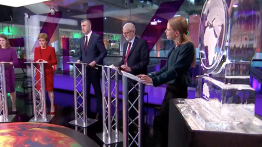
Why did Boris Johnson refuse to attend tonight's Channel 4 leaders' debate on the climate? His party has gone to war with the broadcaster, writing to Ofcom before the programme even started to complain about the way the prime Minister had been 'empty-chaired', a slowly-melting ice sculpture replacing him (and another for Nigel Farage). According to the letter, signed by Tory spinner Lee Cain, the rationale for turning down the invitation was that Channel 4 has marked itself out as being anti-Tory with a 'wider pattern of bias', including the channel's head of news and current affairs Dorothy Byrne 'making highly personal and unpleasant attacks on the Prime Minister at the Edinburgh Television Festival in August'.
Coldplay’s sanctimonious politics is as boring as their music
Everyone, use as much plastic as you can. Drive your diesel cars everywhere. Refuse to recycle. Fly long-haul. Do everything in your power to crank up climate change. Why? Because we now know climate change has one really positive side-effect — it stops Coldplay from touring. Yes, Coldplay, the squarest band in Christendom, the most painfully polite, gratingly nice rock stars ever, have announced they won’t be touring their new album because they’re worried about the pollution it will cause. Noise pollution? I quite agree! Who needs to hear Fix You being sung by 50,000 middle managers in every city on earth? Not me. Not anyone. Of course, the pollution Coldplay is really worried about is environmental pollution.
How can the UK decarbonise by 2050?
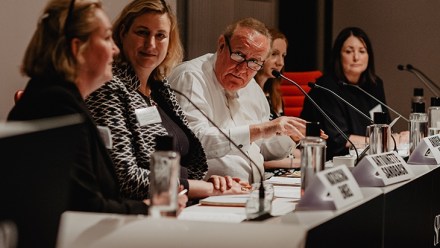
Beyond Brexit, there has been little discussion of domestic policy over the past few years – except when it comes to climate change. Almost every prominent Cabinet Minister has now endorsed greener policymaking, and the outgoing prime minister Theresa May has even passed landmark legislation targeting net-zero UK carbon emissions by 2050. It’s clear the green agenda and more recently the Extinction Rebellion movement has had a huge effect on UK politics. Last month The Spectator hosted its first Energy Summit chaired by Andrew Neil. The event formed part of a wider ongoing partnership with our Energy partners National Grid seeking to widen the debate about the future of the UK’s energy sector.
The state of UK energy: Where do we go from here?
On the evening of Monday 3rd June, The Spectator gathered a group of experts together for a dinner to discuss the challenge of bringing the UK’s carbon emissions to net zero by 2050. The dinner was held the night before the Spectator Energy Summit, with both events being chaired by Andrew Neil. With the permission of the invited guests, what follows is a brief summary of the discussion. David Wright (Director Electricity Transmission and Group Chief Engineer - Electricity, National Grid) began with the observation that they were meeting on the seventeenth consecutive day in which coal had played no part in the UK’s energy supply, a record in the modern era.
How do we cut carbon and how fast can we go?
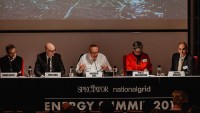
The 2019 Spectator Energy Summit opened with the chairman, Andrew Neil, listing the UK’s considerable achievements in cutting greenhouse gas emissions. Carbon emissions are 43 per cent lower today than they were in 1990 and Britain’s energy supply recently functioned without coal for over a fortnight - something it had not done for well over a century. The UK has the best record of decarbonisation of any G20 country but, as Mr Neil noted, much of the low-hanging fruit has already been picked. On the morning of the summit, the UK’s energy mix was 61 per cent natural gas, over 20 per cent nuclear and only four per cent wind.
Move over Brexit, low-carbon energy system is the challenge
While Brexit may feel like the only game in town, president and COO of Global Transmission for National Grid Ventures, Jon Butterworth, says its most pressing challenge is how to cost-effectively accelerate the transition to a more dynamic low-carbon energy system, while maintaining a robust security of supply As someone who is responsible for a significant amount of investment in electricity interconnectors that directly link Great Britain with mainland Europe, it’s fair to say the last two-and-a-half years have been hard work. No matter what industry you are in, the Brexit process has been complex and unpredictable.
Is the UK really ready to decarbonise?
With the Extinction Rebellion protests and the arrival of Greta Thunberg, climate change dominates the political agenda in a way it hasn’t done in years. The news that the UK went a whole week without using coal went viral around the world after Leonardo Di Caprio posted National Grid statistics on his Instagram. Meanwhile, the warnings of what the future could look like if we do nothing grew worse and worse. These concerns around climate change, and alarming figures for the number of deaths caused by air pollution, have led to mounting pressure on the government to be even more ambitious in its efforts to decarbonise the energy system.