Cristopher Snowdon

Christopher Snowdon is Head of Lifestyle Economics at the Institute of Economic Affairs

Covid-19 and the problem with ‘happiness’ research

From our UK edition

Today is supposedly Blue Monday. Sixteen years ago, a travel agency published a press release claiming that the third Monday in January is the most depressing day of the year. The idea is superficially plausible. It’s mid-January. It’s cold. You’re skint after Christmas. You’re back at work after the weekend. There are worse candidates for the most miserable day of the year. But as a scientific claim, it was swiftly debunked and the academic responsible for it has since disowned it. It lives on as a way of filling space in newspapers and is probably most famous for being untrue.
How do we cut carbon and how fast can we go?

From our UK edition

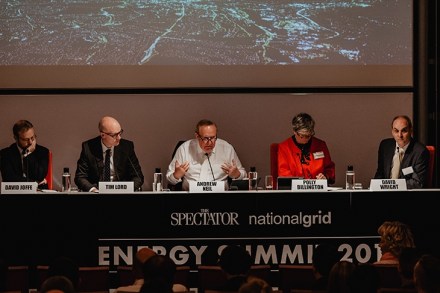
The 2019 Spectator Energy Summit opened with the chairman, Andrew Neil, listing the UK’s considerable achievements in cutting greenhouse gas emissions. Carbon emissions are 43 per cent lower today than they were in 1990 and Britain’s energy supply recently functioned without coal for over a fortnight - something it had not done for well over a century. The UK has the best record of decarbonisation of any G20 country but, as Mr Neil noted, much of the low-hanging fruit has already been picked. On the morning of the summit, the UK’s energy mix was 61 per cent natural gas, over 20 per cent nuclear and only four per cent wind.

Is the UK really ready to decarbonise?

From our UK edition

With the Extinction Rebellion protests and the arrival of Greta Thunberg, climate change dominates the political agenda in a way it hasn’t done in years. The news that the UK went a whole week without using coal went viral around the world after Leonardo Di Caprio posted National Grid statistics on his Instagram. Meanwhile, the warnings of what the future could look like if we do nothing grew worse and worse. These concerns around climate change, and alarming figures for the number of deaths caused by air pollution, have led to mounting pressure on the government to be even more ambitious in its efforts to decarbonise the energy system.

The fat tax fallacy

From our UK edition

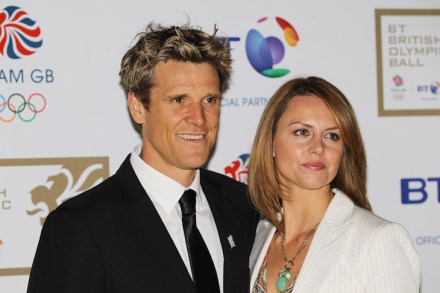
James Cracknell, the athlete turned anti-obesity campaigner, was the subject of sniggering and derision in April when he said that North Korea and Cuba had got a ‘handle on obesity’. With impressive understatement, he attributed this to both countries being ‘quite controlling on behavioural trends’. It was a bad point poorly made, but in a roundabout way he drew attention to the major obstacles faced by those who want to reduce obesity rates in the rest of the world: freedom and affluence. Only Venezuela was missing from his list. Its people lost an average of 19 pounds last year as its basket-case economy unravelled, but this only serves to underline the point.

Big fat myths

From our UK edition

[audioplayer src="http://rss.acast.com/viewfrom22/thehighpriestsofhealth/media.mp3" title="Douglas Murray and Christopher Snowden discuss whether the NHS is too bossy" startat=35] Listen [/audioplayer] Like all failing projects, or popular cults, the NHS needs scapegoats. Britain’s health service is plagued by an endless stream of deviants who are a ‘burden’ on its resources. Otherwise known as patients, they are the drinkers, smokers and fatsos who, we are told, will bring the NHS to its knees unless lifestyles are regulated by the state. Smokers were a useful scapegoat for a while. Now it’s the obesity ‘time bomb’. As Simon Stevens, the chief executive of the NHS, recently put it, ‘The new smoking is obesity.