Victoria Lambert

Talking cures

From our UK edition

While much is talked about the power of robotics or software systems to revolutionise healthcare, ideas around speech recognition have for far too long focused solely on its use for dictation. Now experts are testing the same technology that gives us Alexa and Siri to see what could be achieved in the GP surgery, operating theatres and with dementia patients. According to Cathal McGloin, CEO of the AI company ServisBOT: ‘While it’s early days for widespread implementations of voice assistants in healthcare, the number and range of use cases is growing.’ McGloin says we can expect to see voice activation used everywhere from operating theatres to clinical trials and home healthcare.

We’re heading for a brave bionic future

From our UK edition

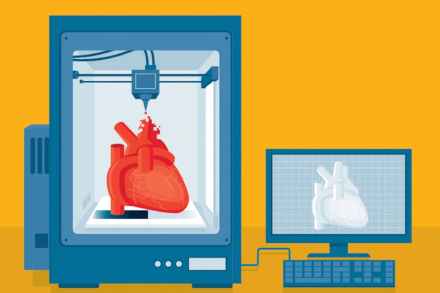
When The Six Million Dollar Man hit the world’s TV screens in 1973, few could have foretold how swiftly his sci-fi-inspired bionic implants might become reality. Yet 40-odd years later, the idea of creating perfect body parts through 3D printing (also known as additive manufacturing) and rebuilding humans from the inside exceeds all possible imagining. The benefits for doctors and hospitals are huge, but there are surprising low-tech advantages in other areas of healthcare, too. At its most cutting edge in the laboratory, scientists are exploring bioprinting: the creation via a 3D process of organs which will become living tissue suitable for transplant.