Tom Goodenough

Tom Goodenough

Tom Goodenough is online editor of The Spectator.

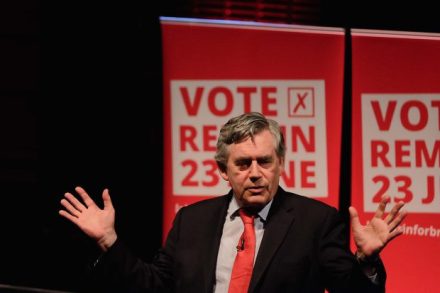
Can Gordon Brown give the ‘Remain’ camp the boost it so badly needs?

From our UK edition

As the countdown to the EU referendum debate continues, the momentum appears to have continued to swing towards Brexit: 'Leave' went ahead in the polls last week, with one survey putting them five points clear of 'Remain'. What's more, David Cameron has looked more and more rattled. Yesterday, he had to answer questions on Marr about whether he really believed his warnings over Brexit, given that the UK leaving the European Union now doesn't seem so unlikely. So if Project Fear isn't paying off, what can the 'Remain' camp do to try and regain control of the debate? The answer for the Prime Minister this week is to take a step back from the campaign trail. Instead, Labour figures from the past and present will be urging their party's supporters not to back Brexit.
The Spectator podcast: Brexit – the first 100 days | 11 June 2016

From our UK edition

To subscribe to The Spectator’s weekly podcast, for free, visit the iTunes store or click here for our RSS feed. Alternatively, you can follow us on SoundCloud. The EU referendum on June 23rd looks set to be one of the most important political moments in a generation. But if Britain does vote out, what would the next 100 days actually be like? The Prime Minister has predicted disastrous consequences, saying Brexit would plant a bomb under the economy. And we've been warned that house prices will crash and everything from air fares to ice cream will cost more. So, would Cameron step down straight away and watch the pound tumble? James Forsyth says in his Spectator column that a vote to leave would be a defining event in recent British political history.

‘Please don’t go’: Spiegel magazine urges Brits not to leave

From our UK edition

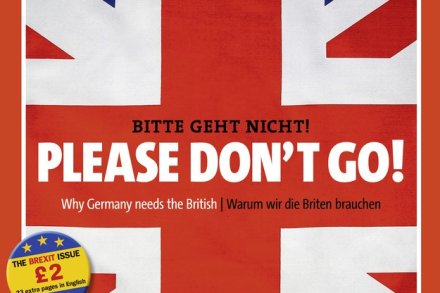
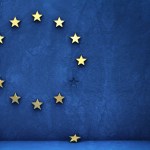
A week after Angela Merkel intervened in the Brexit debate to say she hopes Britain stays in the EU, Germany’s Spiegel magazine has also waded in. The magazine’s headline is certainly emotive: ‘Please don’t go’, it urges, in an issue which includes several pages in English in a bid to reach out to Brits. As with the clear-cut message on the front cover, the magazine’s poll on whether Germans want Britain to stay in the EU is also conclusive. Spiegel’s survey, conducted by TNS, showed that 79 per cent of people in Germany thought Britain should remain in the EU. It’s possible that this attitude derives from the popularity of the EU in Germany (in the same poll, just 13 per cent of Germans wanted their own country to walk away from the EU).

What the papers say: Did ‘Operation Batter Boris’ go too far?

From our UK edition

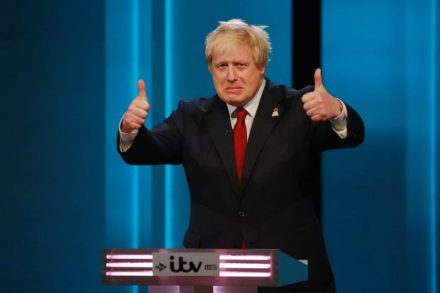
The takeaway point from last night's EU referendum showdown was the extent of the personal attacks on Boris. The former Mayor of London came under repeated fire during the debate - with his Tory colleague Amber Rudd leading the charge. But did she go too far? And is there a chance the intention of targeting Boris could end up backfiring? Here's what the papers had to say: Anyone reading The Sun's coverage of the debate will probably end up feeling sorry for Boris. The article tells how Boris 'suffered relentless abuse' over his apparent ambitions to be the next PM. It also goes on to say Rudd 'reeled off Government lines of attack on the economy'.

Is the looming prospect of Brexit dampening trade with other EU countries?

From our UK edition

Is the looming prospect of Brexit dampening trade with other EU countries? Not if the latest trade statistics are anything to go on. Figures out today – the final set to be published before the referendum – show that imports to the UK from other EU countries are at a record high: rising by £1bn between March and April this year. Britain’s exports to other EU countries also rose in the same period – jumping by £0.9bn, with oil and chemicals making up a large chunk of this number (£0.5bn). These figures can be interpreted in two ways and as with many things to do with the EU referendum, both ‘Leave’ and ‘Remain’ could argue these statistics make their case for their respective arguments.

EU referendum: Will the vote registration extension make any difference?

From our UK edition

The decision to extend the deadline for voters to register in the EU referendum hasn’t gone down well with everyone. As Isabel Hardman has said, whether it’s a cock-up or a conspiracy, ‘Leave’ won’t like the extension which came about after the government’s website went down on Tuesday evening. But are they right to feel aggrieved? In terms of how many voters actually registered yesterday, the numbers are certainly significant: some 240,000 people, who would otherwise not have been able to vote on June 23rd, signed up. By far the largest chunk of these fell into the 25-to-34 years of age category (80,000). Whilst the third largest group of voters to register yesterday were those aged 35 to 44 (51,000).

The Spectator podcast: Brexit – the first 100 days

From our UK edition

To subscribe to The Spectator’s weekly podcast, for free, visit the iTunes store or click here for our RSS feed. Alternatively, you can follow us on SoundCloud. The EU referendum on June 23rd looks set to be one of the most important political moments in a generation. But if Britain does vote out, what would the next 100 days actually be like? The Prime Minister has predicted disastrous consequences, saying Brexit would plant a bomb under the economy. And we've been warned that house prices will crash and everything from air fares to ice cream will cost more. So, would Cameron step down straight away and watch the pound tumble? James Forsyth says in his Spectator column that a vote to leave would be a defining event in recent British political history.

How the papers reacted: Farage ‘destroyed’ as Cameron is ‘taken to task’ during live EU showdown

From our UK edition

David Cameron and Nigel Farage both avoided making any disastrous blunders during last night's TV showdown and for that reason alone they'll be pleased with their performances. Those in the 'Leave' camp especially were concerned about what Farage might do or say when he took to the stage. On the basis of last night's showing, however, they need not have worried too much (albeit for the moment he told a woman watching to calm down). But as with last week's EU events involving the Prime Minister and Michael Gove, much of the press coverage doesn't focus on the two politicians who took the stage. Instead, it's those in the audience who made life difficult for Farage and Cameron who get much of the attention. So what did the papers make of who came out on top?

Hillary Clinton crawls over the finish line in Democratic race

From our UK edition

Hillary Clinton has crawled over the finish line in the Democratic race. She has apparently now secured enough delegates to win the party’s nomination after an AP tally put her on 2,383. Her win in the Puerto Rico primary, as well as the backing of a number of super delegates, handed her victory – giving her enough delegates to make it impossible for Bernie Sanders to now catch her. Hillary has been talking up her success, saying that the Democrats are ‘on the brink of a historic, unprecedented moment’. Her apparent nomination, as the first female nominee for either of the two main parties, is certainly historic.

Today in audio: ‘Remain’ fights back as PM warns of Brexit ‘bomb’

From our UK edition

Momentum in the 'Leave' campaign seems to be growing after Brexit took the lead in two polls out today. There are, however, still several weeks until the actual day of the EU referendum and the gap between the two sides remains marginal (four per cent). But 'Remain' still seem shaken by these polls. Here's how they spent the day fighting back: David Cameron said Brexit would put a bomb under Britain's economy, going on to say that 'the worst thing is, we would have lit the fuse ourselves': The PM was backed up Lib Dem leader Tim Farron. In a joint event, Farron said the argument for 'Leave' was built on 'utter, invented rubbish': But in the tit-for-tat battle which is the EU referendum, the 'Leave' campaign also went on the offensive today.

Brexit momentum builds as another poll puts ‘Leave’ ahead

From our UK edition

If the polls this morning are anything to go by, the momentum for Brexit is building: an ITV poll for Good Morning Britain shows 45 per cent of voters planning on voting out, compared to 41 per cent who wanted the UK to remain in the EU. The poll is significant because it shows that in the purdah period in the final run-up to the referendum on June 23rd, the 'Leave' campaign's support is growing. What's more, a separate poll survey by TNS showed 'Leave' on 43 per cent compared to 41 per cent backing 'Remain'. The figures, based on a survey carried out last week, are also important because they reflect what was, by all accounts, a good week for those campaigning for Brexit: Michael Gove was widely praised for his performance in the Sky debate.

How the papers reacted: Project Fear on trial as PM ‘savaged’ in first EU referendum showdown

From our UK edition

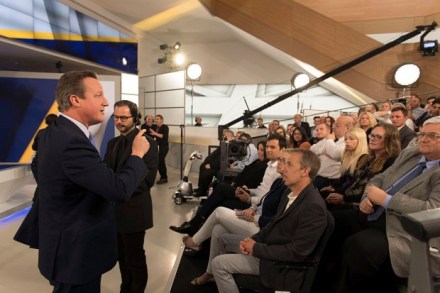
David Cameron might have emerged virtually unscathed from his first major EU referendum showdown last night. But the focus in much of the press coverage today is not on the Prime Minister. Instead, the anger and hostility of those in the audience leads most of the round-ups in the morning papers of how Cameron got on in the Sky debate. His 'scaremongering' was repeatedly mocked. He was also laughed at over his 'WW3' Brexit suggestion by those watching. This was 'Project Fear' on trial. So what did the papers make of it all? The Prime Minister's failure to put a date on when he would meet his promise to reduce net migration to the tens of thousands is the focus in The Times.

Angela Merkel wades into the Brexit debate. But what made her decide to speak out?

From our UK edition

Angela Merkel has waded into the Brexit debate. Her stance won’t surprise anyone – she hopes that Britain stays put. But what’s interesting about her intervention is that it comes after it seemed she was reluctant to speak out, for fear of helping the leave cause. The Sunday Times reported earlier this month that Downing Street believed such an expression of her views on Brexit would be counterproductive. Admittedly, when she made her comments today, she clarified that they were her personal view. They also appeared to be, to say it mildly, lukewarm. Here's what she said: ‘Obviously, it is up to the citizens of the UK themselves how they wish to vote on the upcoming referendum.

How the TUC is doing Labour’s job for them in getting the EU vote out

From our UK edition

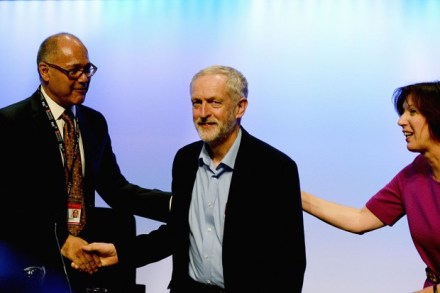
Labour voters will prove crucial in determining the outcome of the EU referendum, which makes the party's near silence on the issue all the more surprising. Whilst the Labour leadership maintain their reticence, however, the TUC has stepped in with a report out today. In it, the TUC warns that Brexit would cut pay by an average of £38 a week by 2030. Brexit will also send Britain into a 'steep decline', Frances O'Grady, the TUC's General Secretary says. Given that the maths behind this hasn't been published yet, it's difficult to know how the figures were compiled. It's also probably good to be sceptical of such an exact calculation on hypothetical scenarios.

Majority of voters are backing Brexit, according to latest EU referendum poll

From our UK edition

The latest EU referendum poll indicates that voters have swung considerably towards backing Brexit. 52 per cent of people surveyed said they were planning on voting for Britain to leave the European Union, compared to 48 per cent who are voting in. The ICM poll, carried out for the Guardian, is significant for two reasons. Firstly, it flies in the face of the prevailing view that remain has surged ahead. In recent weeks, those campaigning for Britain to stay put in Europe appear to have enjoyed a significant margin of support over the leave campaign. A poll of polls compiled by WhatUKThinks last week suggested an almost exact opposite to the figures out today: giving remain 53 per cent of the vote to leave's 47 per cent.

Boris ignores some basic points when he argues Brexit would cut fuel prices

From our UK edition

Would Brexit mean cheaper fuel bills for Brits? That's the claim made by Boris Johnson and Michael Gove today, who say that leaving the EU would let ministers get rid of VAT on gas and electricity. With all the bunkum being banded around over the referendum, it's fair to say that the Brexit campaign do partly have a point on this. Under EU law, the UK is not allowed to charge less than five per cent VAT on fuel and power supplies. Boris argues as much in The Sun today: 'Fuel bills will be lower for everyone,' he says. So it seems that leaving the EU would hand back an element of control on this point, with no European Union country having complete freedom to set its VAT rates. Consequently, ever since 1994, domestic supplies of fuel and power have been liable for VAT under EU law.

The horrific truth is that Donald Trump could actually win the US presidency

From our UK edition

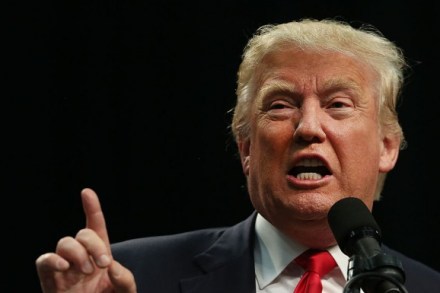
Think Donald Trump is too vulgar, too crazy to actually make it to the White House? Then you probably thought he'd never make the nomination. When he stood, Arianne Huffington said she would cover his race in the "entertainment" section of her website. Now he has ended up securing enough delegates to wrap up the Republican nomination. We've been told by commentators doing their bit to re-assure us that there's no way the orange maniac would win a general election. In fact, the truth is rather scarier, with the average results from recent polls putting Trump ahead with a 43.4 per cent share compared to Hillary's 43.2 per cent. Quite a turning point for Trump to be ahead in any national poll which have always tended to hand his Democrat rival a big lead.

The Spectator podcast: Brexit, and the return of political lying | 28 May 2016

From our UK edition

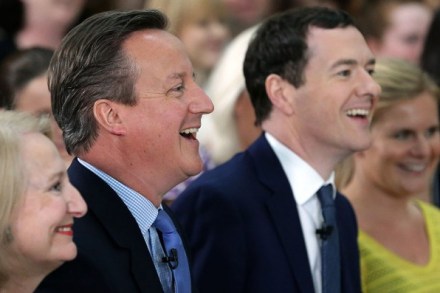
To subscribe to The Spectator’s weekly podcast, for free, visit the iTunes store or click here for our RSS feed. Alternatively, you can follow us on SoundCloud. Are David Cameron and George Osborne using the same techniques of deceit deployed by New Labour in the run-up to the Iraq war? In his cover piece this week, Peter Oborne argues that's just what is happening. He says that in their EU campaign, the Chancellor and Prime Minister have put dirty tricks back at the heart of government. But Matthew Parris in his column says that in politics there’s no point complaining about being lied to. That’s the cry of the bad loser. Both Peter and Matthew join Fraser Nelson on the podcast.

Purdah could give the Brexit campaign the boost it so badly needs

From our UK edition

If you've become fed-up with half-baked Treasury statistics, the start of the purdah period is welcome news. The ban on Government and Civil Service resources being used to put forward the case for 'remain', means there will be no more of those. But with 'remain' having pushed ahead in the polls over the last few weeks, will this now help level the playing field? Based on how the Government has tried to press home the advantage of using its huge resources right up until the last moment, it seems that there are certainly jitters about that happening.

Today’s migration figures will be much-needed grist for the Brexit campaign

From our UK edition

Ever since David Cameron declared he wanted to get net migration down to below 100,000 the migration figures have caused him a headache. Today's are particularly sensitive given that they're out just a day before the EU referendum purdah period starts. Confirming net migration more than three times Cameron's supposed maximum, and half of the rise being EU nationals, the data will help the Brexiteers argue that we need to leave the EU to restore border control. The potency of this argument has resulted in a subtle shift in the Brexit campaigning strategy, which appears to have placed immigration (not the NHS or the economy) at the centre of their argument. The ONS release shows that net migration of 333,000 last year, a rise of some 20,000.